Gasperini may have found a way to play Dybala and Soulé together
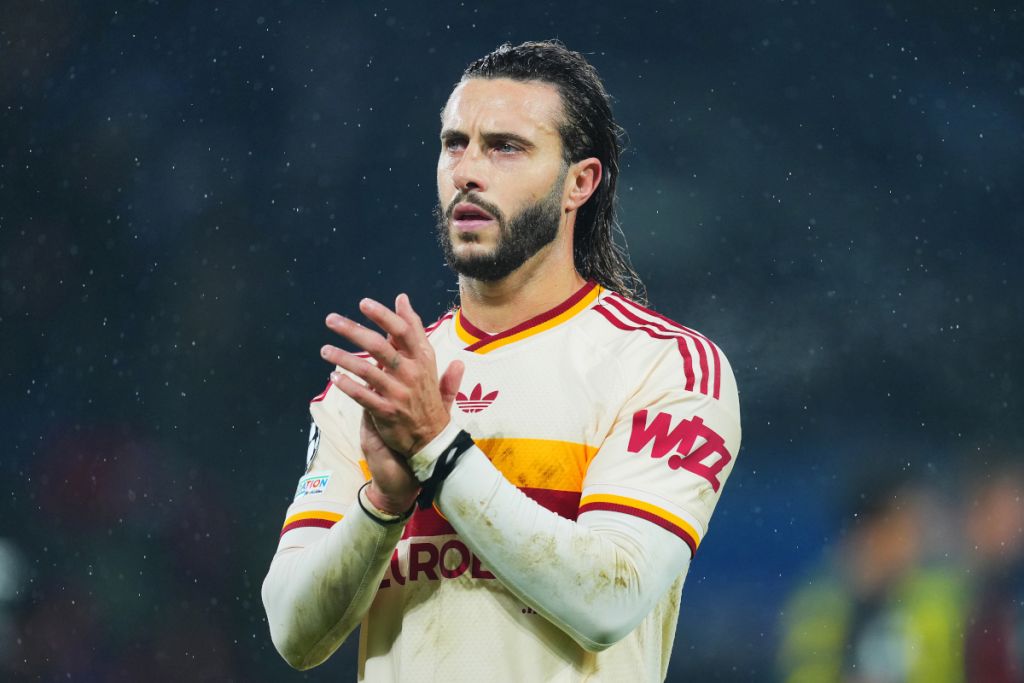
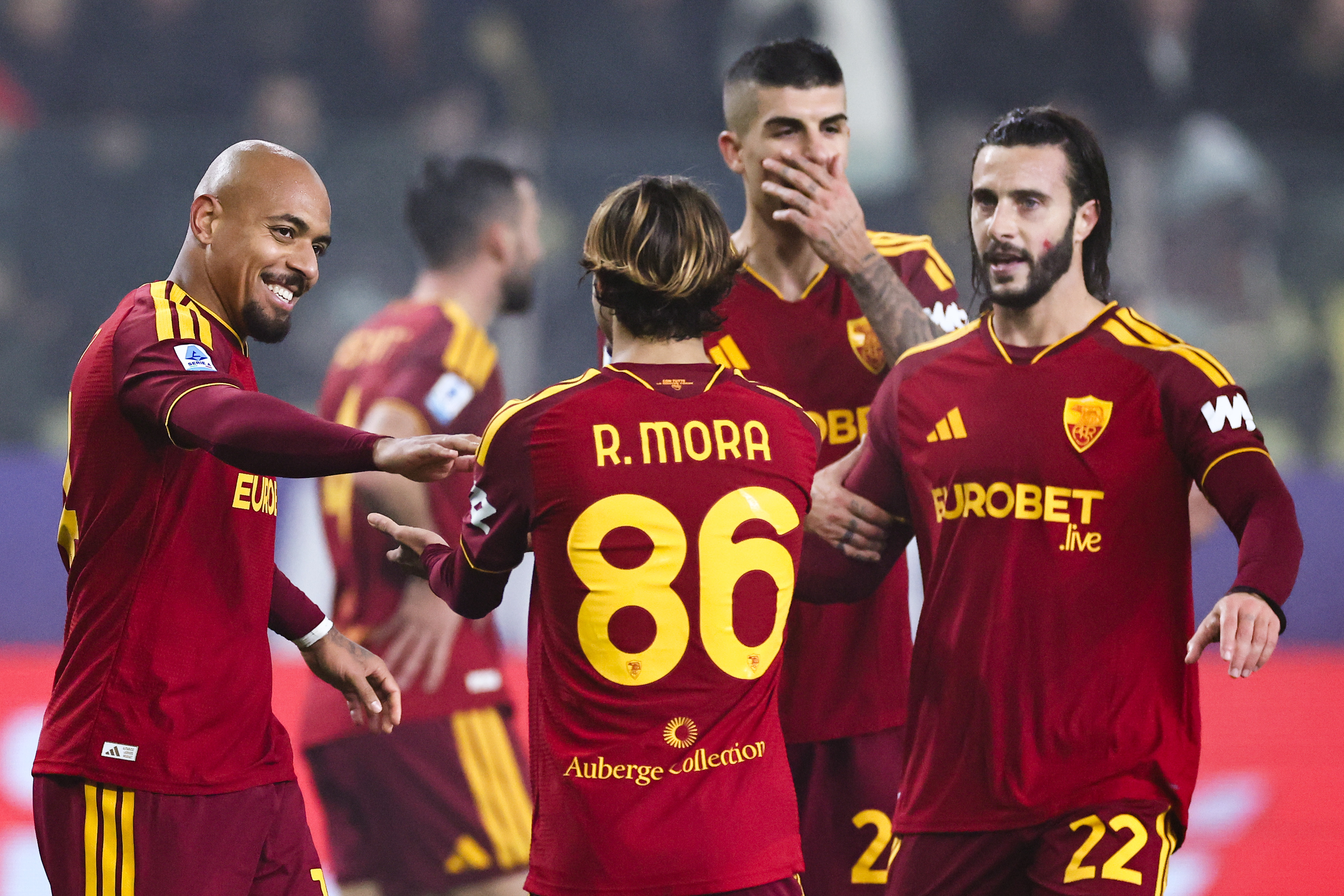
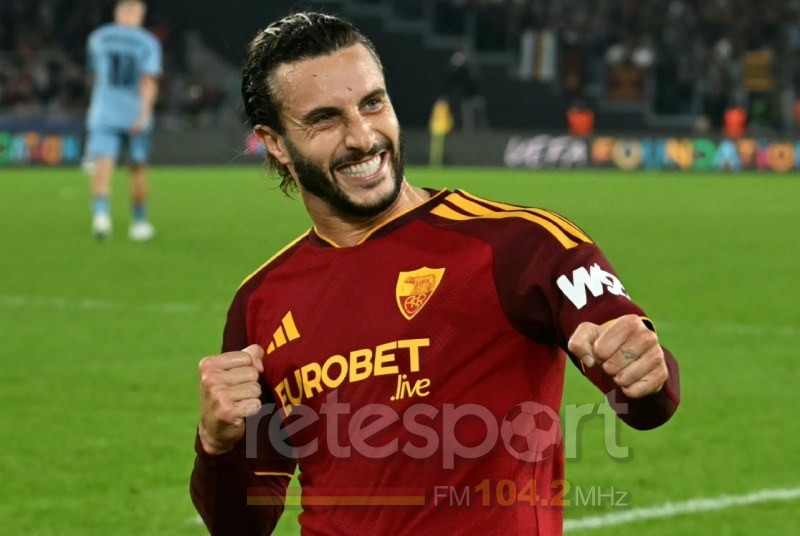
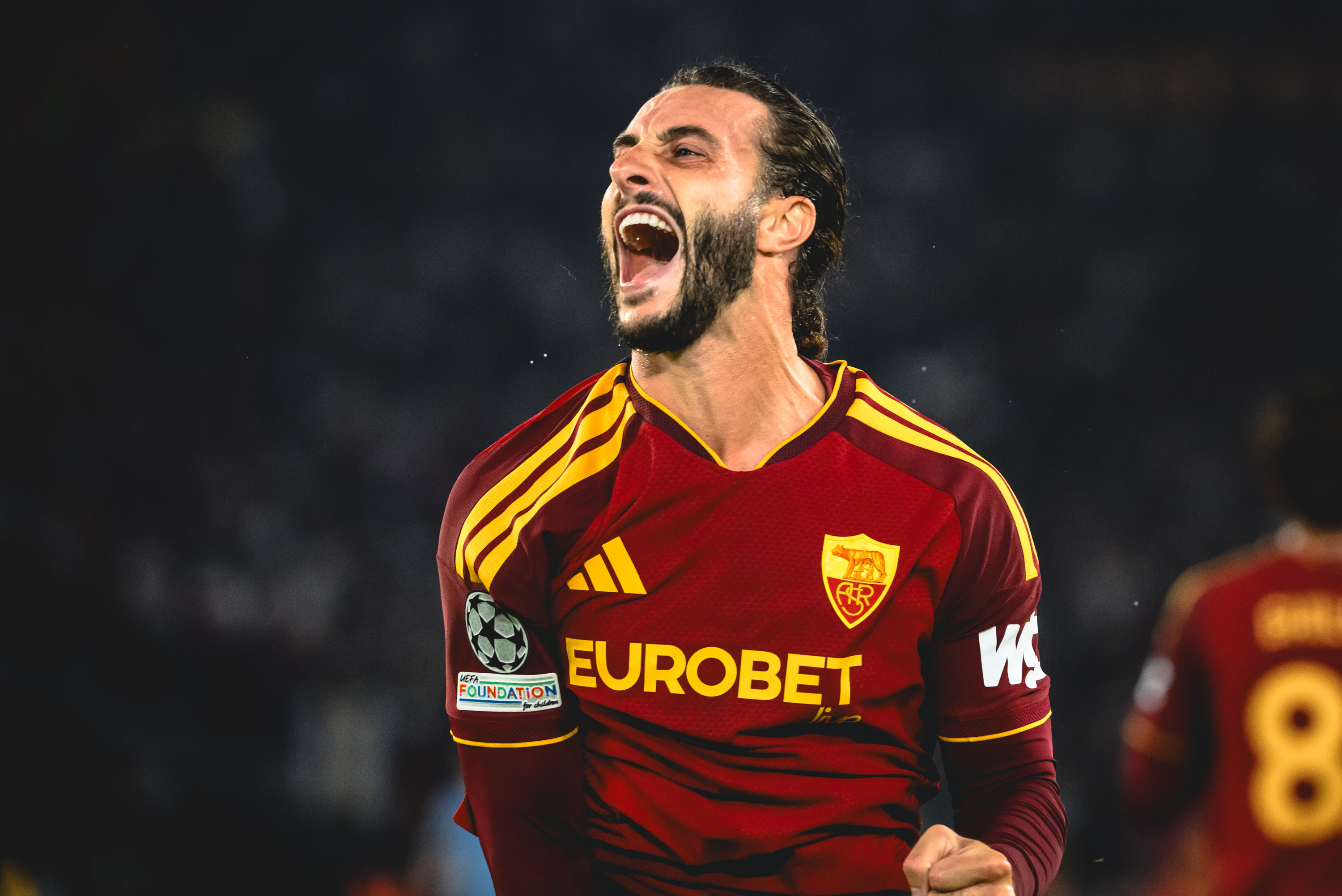
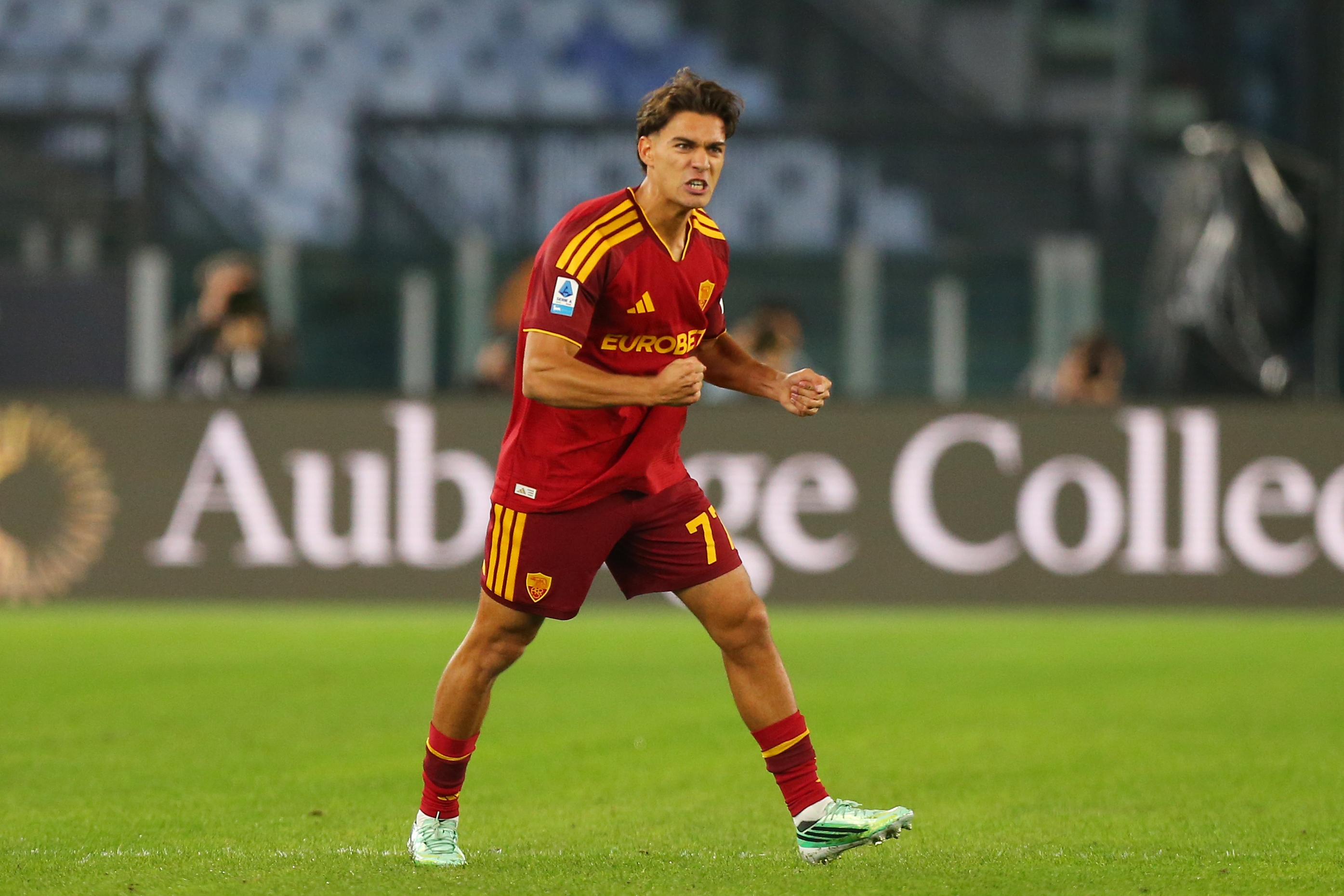
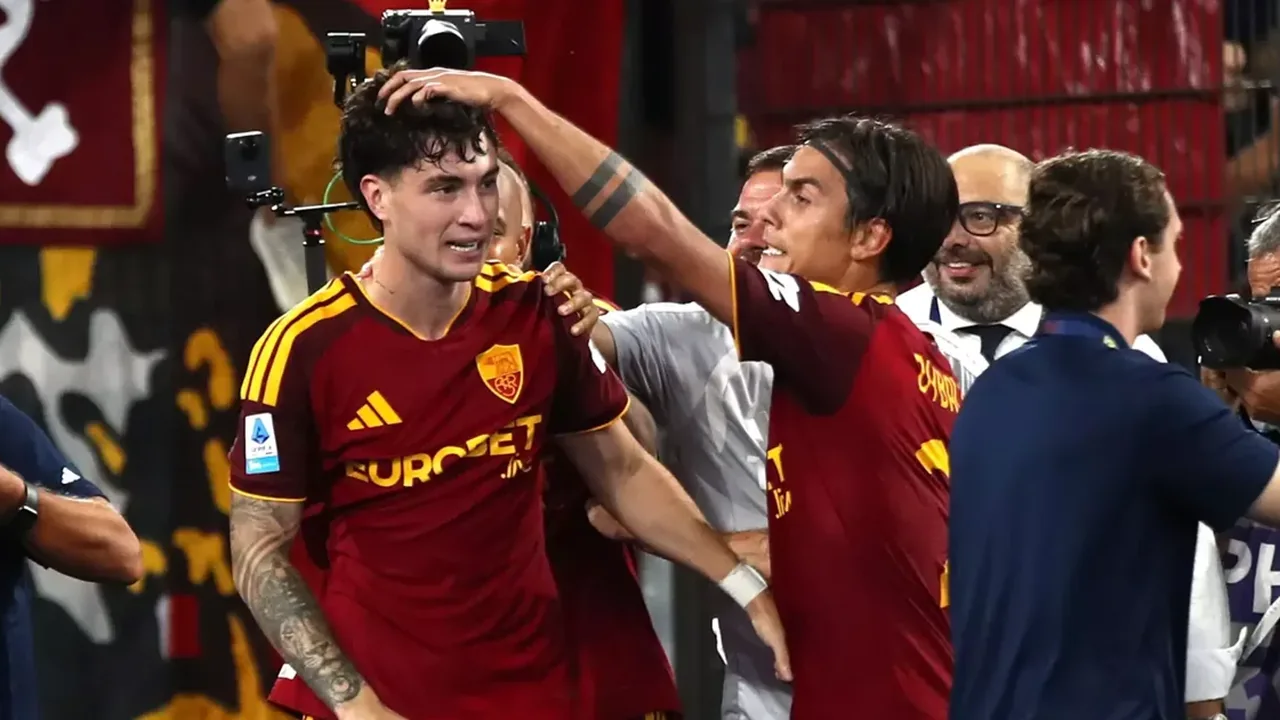
Roma may have solved one of their key attacking questions after Matías Soulé was deployed on the left wing in the defeat to Paris Saint-Germain at the Parco dei Principi, with Paulo Dybala initially left on the bench. The tactical switch sees Soulé operate away from the right-hand channel where he has built much of his success, opening the way for Gasperini to use both Argentine left-footers in the same side. The debate around the two players had centred on the difficulty of fitting them together, since both like to start from the right, cut inside and use their left foot. The risk was having to choose which one to sacrifice in every match. Gasperini appears intent on solving the problem at its root: rather than choosing between Dybala and Soulé, he wants Soulé to be able to play where he previously struggled to express himself. The experiment produced immediate results. Five minutes into the match, Soulé received the ball on the left from Hermoso, beat his opponents with a high-quality move and reached the byline, setting up Hermoso for the goal that gave Roma the lead. Technically the action was significant because Soulé did not try to cut back onto his favoured foot to shoot; instead he attacked the outside space, reached the byline and created an overload with a movement different from his usual repertoire. Gasperini, speaking after the match, highlighted this aspect: "Tonight he played on the left, while until last year he didn't leave that tile." The coach spoke of an important growth, describing Soulé as a player reaching an extraordinary technical, physical and athletic maturity. That growth could make Soulé unpredictable, for opponents and above all for his team-mates. If he can deliver at a high level from the left, Gasperini can picture a Roma side with Dybala on the right of the midfield line, Soulé on the left and Malen as the central reference point. This would allow three of the most technically gifted players in the squad to play together without either Argentine having to occupy the same zone permanently. Dybala could keep operating in the spaces he knows best, receiving between the lines and seeking the decisive pass or shot with his left foot. Soulé could alternate outside accelerations with inside runs, and Malen could benefit from two players able to find him in behind and create chances in the final third. There is also the option of swapping positions during a match: Soulé could return to the right to shoot with his strong foot, while Dybala moves more centrally or to the left, becoming mainly a reference in build-up play. This is not an option to dismiss, given Dybala's recent difficulties in being decisive when shooting at goal. The real advantage would be the ability to interchange them without losing quality, a perspective that suits Gasperini's football built on mobility, occupation of space and adaptability. The problem is not yet solved. Dybala must regain physical continuity and greater sharpness in front of goal, while Soulé must prove he can repeat such performances against opponents who defend deep and concede little space. A technically rich partnership also demands considerable work without the ball, particularly in pressing moments and in covering opposing wingers. Rodrigo Mora, aged nineteen, is also part of the picture: the Portuguese is experiencing impressive growth and can no longer be considered a simple reserve. With five league goals and an increasing ability to influence matches, he is a precious resource for the coach. Roma could therefore have three high-level attacking midfielders for two places, though this need not become a problem of hierarchy, as there will be room for everyone across Serie A and the Champions League, including the option of changing shape during matches. There remains a question of numbers. Dybala, Soulé and Mora are three high-quality options, but a season this long would require at least a fourth player with specific attacking characteristics. Pisilli and Cristante can adapt to play further forward, as Gasperini has already shown, but they offer different characteristics from the three creative players. The January transfer window therefore remains an important opportunity to complete the department, not necessarily to find a new starter at any cost. This difference could also influence the views of sporting director Tony D'Amico.