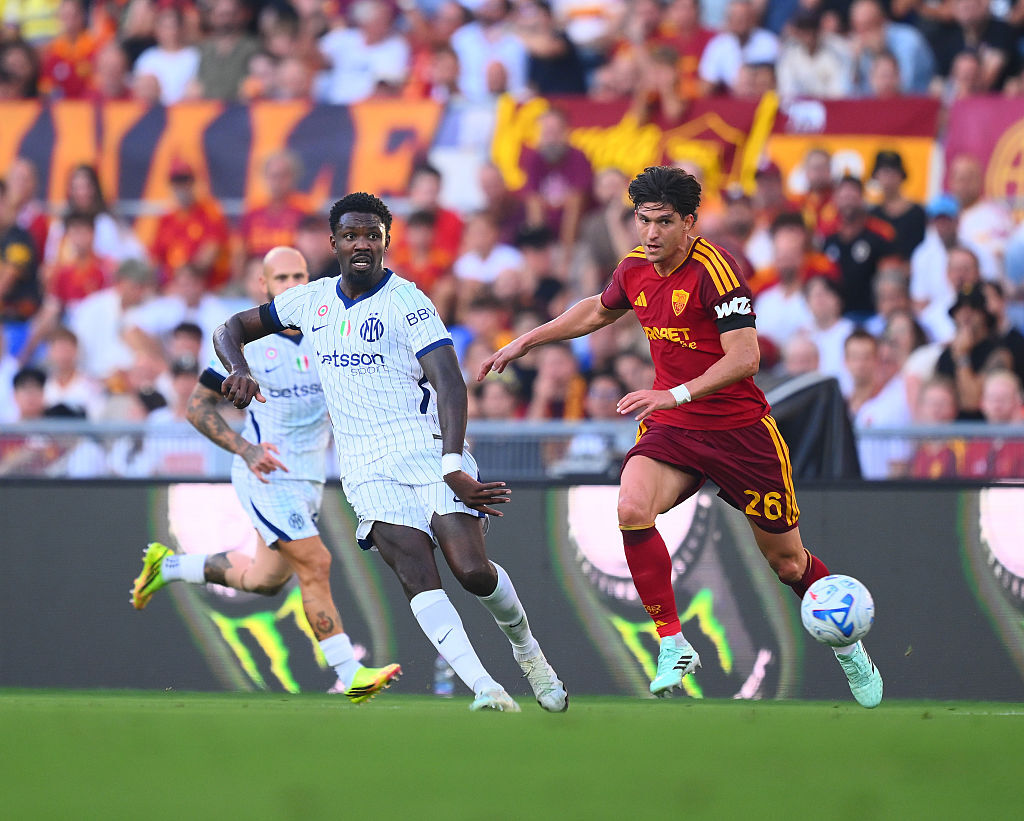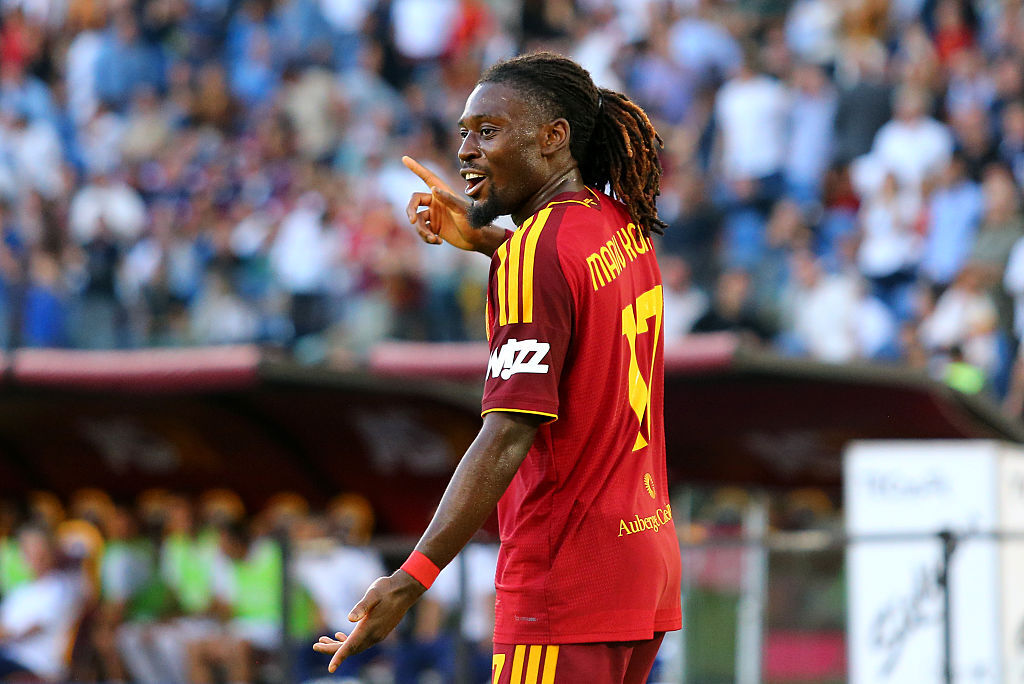

How Gasperini transformed Koné's weakness into a weapon: the story of the Inter brace
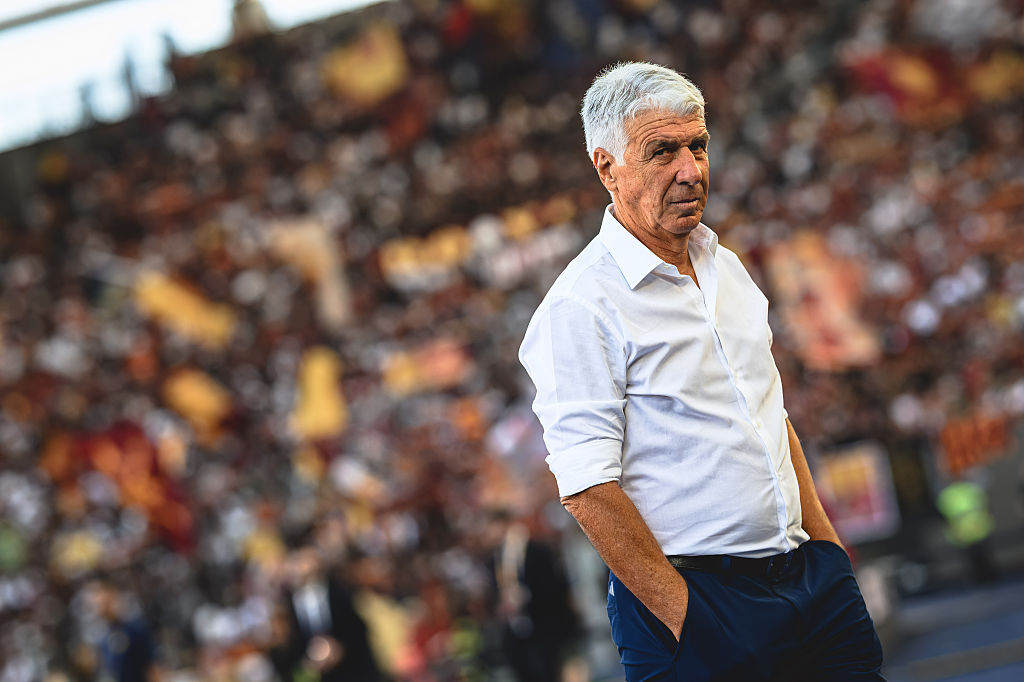
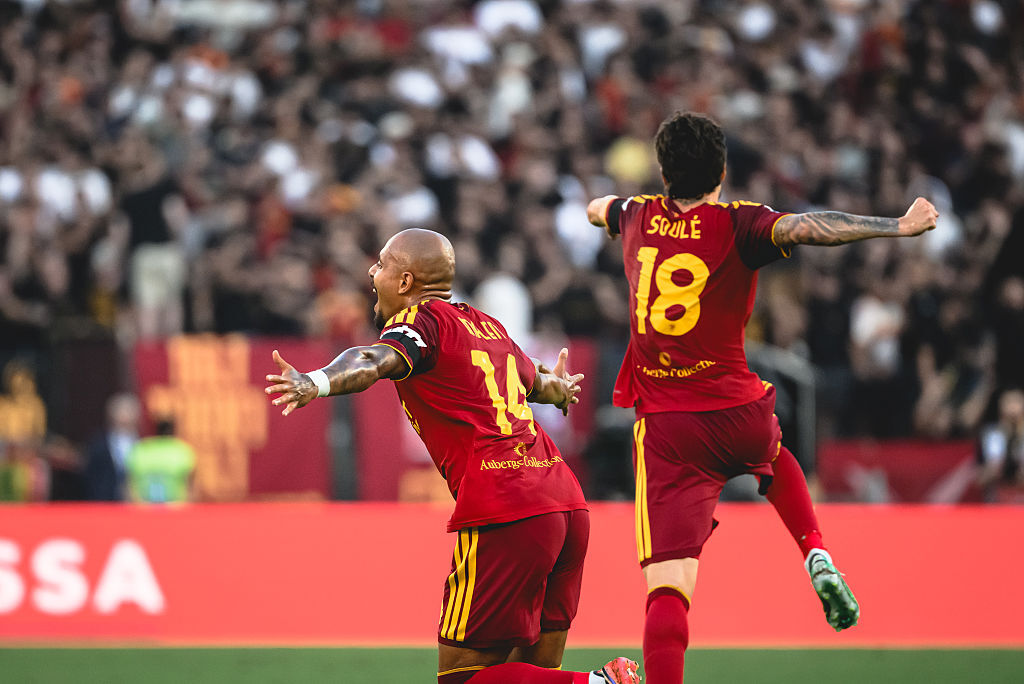
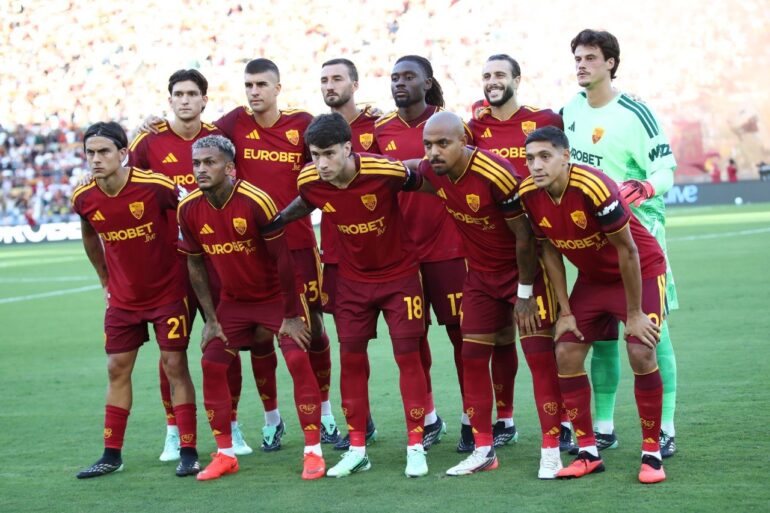
Manu Koné scored twice against Inter on 20 September 2026, silencing a long-standing criticism that he lacked a cutting edge in the final third. The French midfielder's double, which sent the Stadio Olimpico into raptures and left Inter's defence in disarray, came as a direct result of a tactical adjustment by head coach Gian Piero Gasperini. The system—Cristante positioned deep to handle defensive cover while Koné pushed higher—gave the midfielder the freedom to attack continuously and arrive near the opposition area with regularity. By shifting Bryan Cristante into a shadow role on Inter's most advanced players, Gasperini effectively added an attacker to Roma's shape without extra personnel. Cristante's assignment was to track whoever led Inter's charge, whether Jones or Lautaro; his effort freed Koné from defensive duties and allowed the midfielder to climb into dangerous positions. The tactical masterstroke worked precisely as designed. Roma discovered numerical superiority in central areas where Inter least expected it, and Koné was central to that dominance throughout the opening period. His two finishes were clinical insertions into the box, completed with the precision of a player operating without defensive shackles. The plan gradually unravelled after Lautaro's introduction and Koné's departure, dimming the magic that had seized the match early on. Yet the concept—and more importantly, the two goals scored by the French midfielder—remained, proof that Gasperini's study of the opposition and willingness to reshape his midfield balance had yielded tangible dividends at a crucial juncture.