From banner-waver to scapegoat: Mancini's single error redraws the narrative
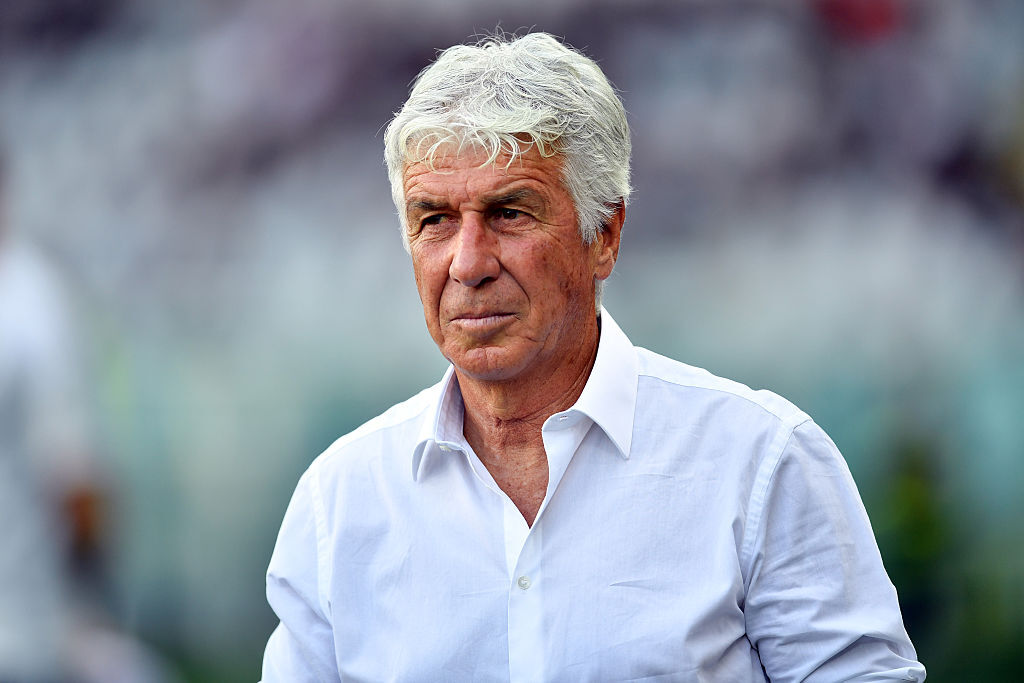
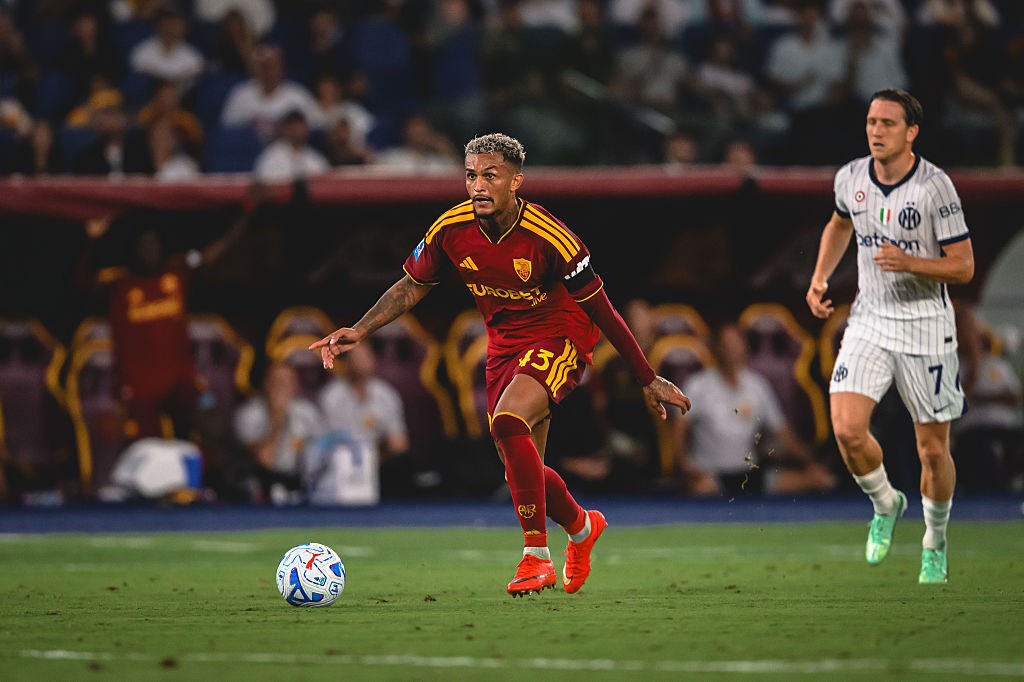
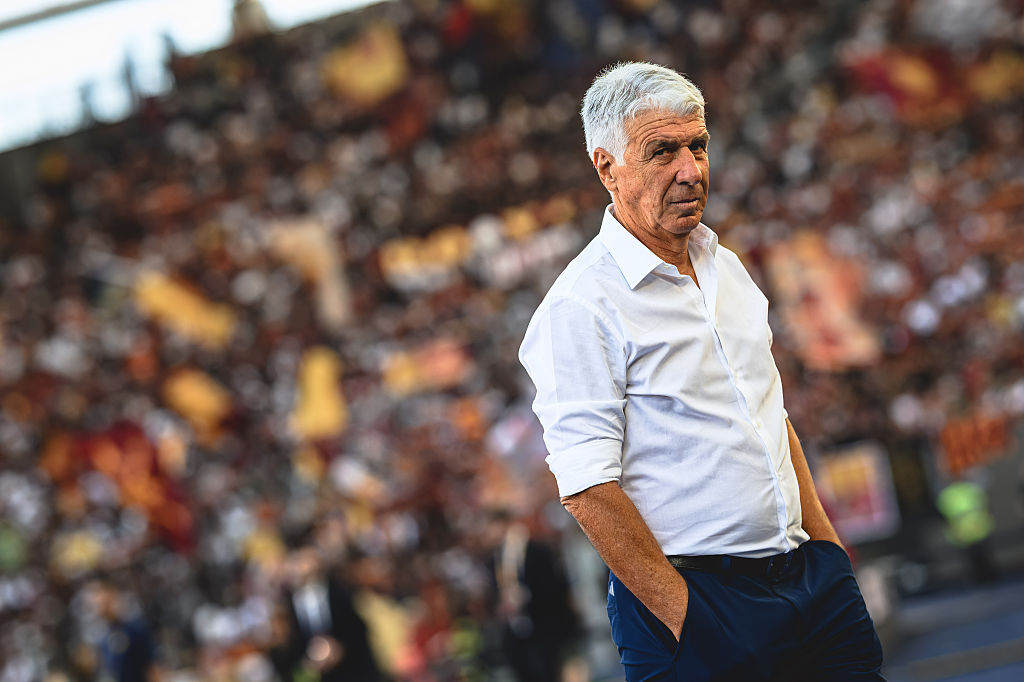
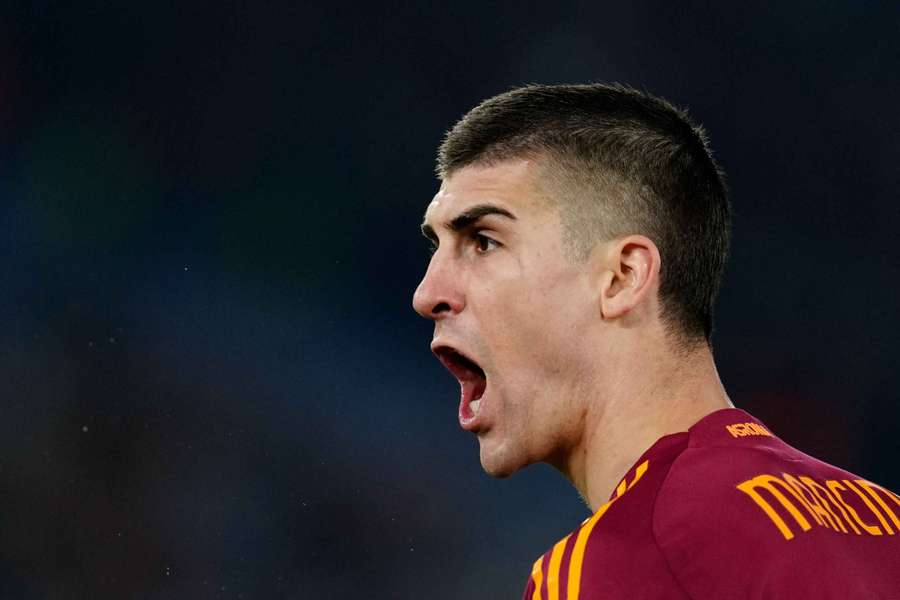
Gianluca Mancini has become the subject of fierce criticism on social media after losing possession 50 metres from goal in Roma's recent match against Inter, a mistake that led to Lautaro Martinez scoring to reopen the contest. The backlash has been swift and unforgiving, with supporters on social networks reversing their judgment of a player they had celebrated for his derby heroics, his displays of the Roma flag to the Curva Sud, and his willingness to cut his salary to remain at the club. The shift in sentiment mirrors a broader contemporary football phenomenon: judgement rendered from the armchair, divorced from the physical realities of elite sport. The article notes that Mancini's mistake, while real, did not directly assist Inter's goal—the team had to develop the play further before Martinez finished with a technical strike. Beyond that single error, his display against Inter was not disastrous. A week earlier, at Turin, Mancini had been among Roma's best performers; in the 93rd minute, with the team defending a narrow advantage and several players exhausted, he fought on the sideline and contributed the decisive work in the build-up to Niccolò Pisilli's goal that made it 2–0. In seven days, he has moved from catalyst to liability in the court of online opinion. The article invokes a point made by Daniele De Rossi: "From the armchair everyone is good. Because from the armchair there is no tiredness, pressure, preventive marking, seventy metres covered in transition, heavy legs or opponents earning millions precisely because they know how to exploit mistakes." Mancini may indeed be fatigued; recent displays have offered subtle signs. With the arrival of Leonardo Balerdi and Konstantinos Koulierakis, coach Gian Piero Gasperini now has defensive alternatives and the freedom to rotate. The article emphasises that Gasperini, not social media, must decide whether Mancini plays less—and that decision should come from observing him in training and matches, not from a frozen frame posted on social media. The difference between critiquing an error and declaring a player suddenly incapable remains meaningful, the article concludes, "at least until the next match."