Gasperini and Fabregas set for tactical battle as Como-Roma becomes a clash of philosophies
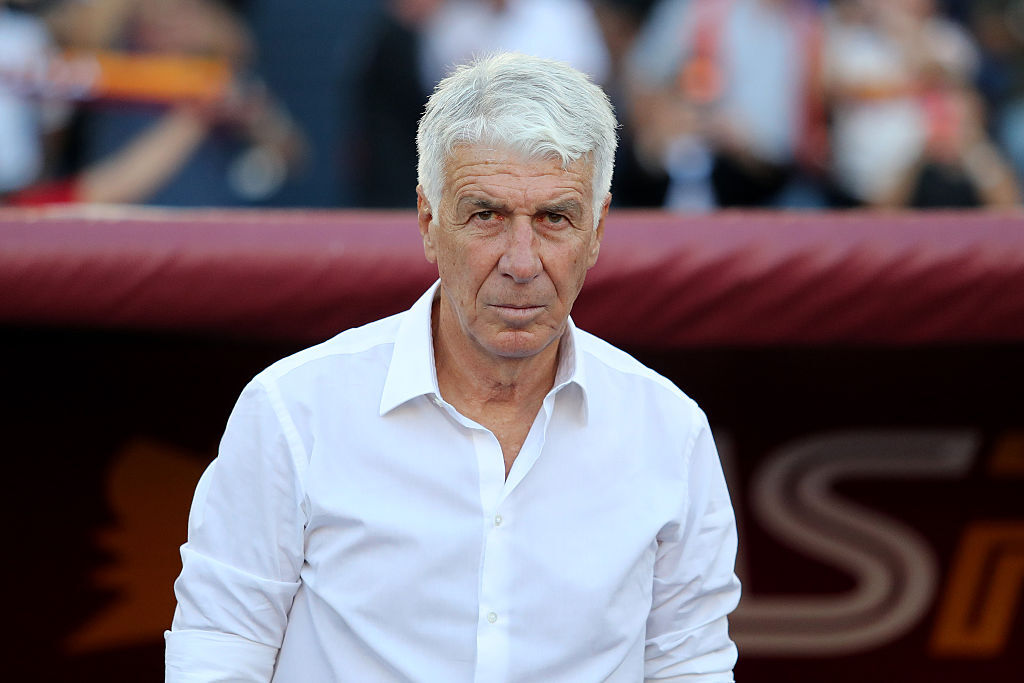
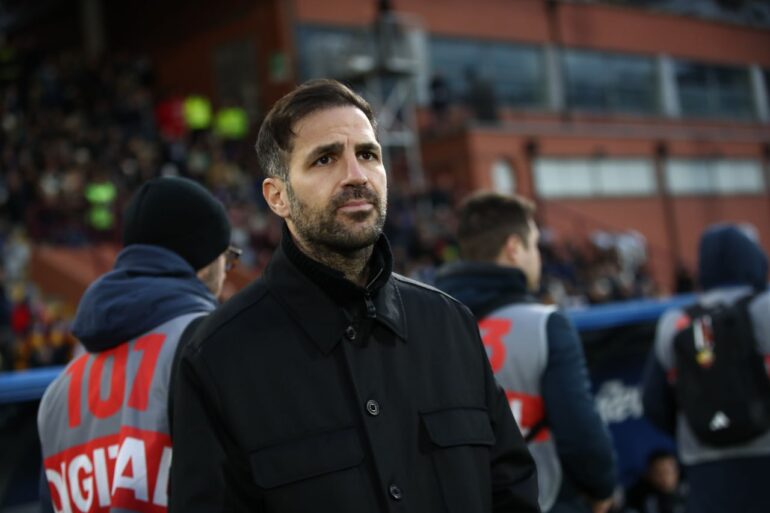
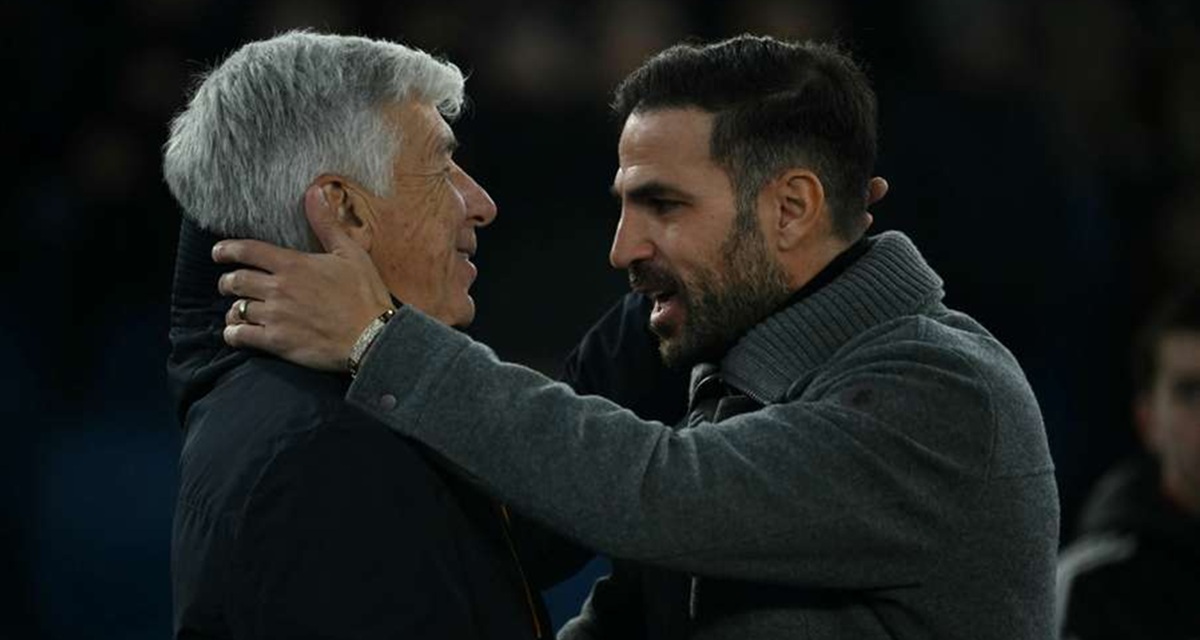
Gian Piero Gasperini and Cesc Fabregas will meet on Sunday with far more than three points at stake. The two managers, separated by almost three decades in age and vastly different in approach, have a history of tension despite mutual respect. Fabregas stoked the pre-match fire at the Festival dello Sport in Trento by reconstructing Roma's tactical movements on a Subbuteo table, focusing on how Gasperini's side presses opponents in their own half with tight marking, reduced space and relentless pressure to disrupt clean build-up play. On the miniature pitch, Como found the solution and won their small tactical duel. Gasperini responded the following day with a smile, suggesting he now has the chance to study genuine countermeasures. Behind the theatre lies a match of genuine tactical intrigue. Fabregas seeks dominance through possession—prolonged ball retention, continuously varied rhythm, players shifting position to force opponents to move and create space for through-balls. Como attempt to drag their adversary out of structure, almost to dull them, before accelerating when the right corridor opens. Gasperini pursues the same control through opposite means. Roma care less about holding the ball longer and more about winning it in the correct location. Man-to-man pressure, high recovery and immediate vertical passes are the weapons with which Roma can trouble a Como that builds from the back and, when their full-backs advance, can leave space behind them. This could become a high-speed chess match: if Como break the first press they find enormous space; if Roma win the ball in Como's half, they attack a defence already stretched. Roma may not necessarily assault from the start. One possibility is that Gasperini opts for a more compact midblock, sacrificing sustained pressure in phases to deny Como the central space and prepare counterattacks. A less spectacular choice on paper, but potentially highly effective against a team that loves possession and pushes many players beyond the ball. The personal history adds another layer. Last season, after a Roma victory, Gasperini described Como's continual involvement of the goalkeeper in construction as "tedious." Months later, following Como's success at the Sinigaglia, Fabregas complained he had been unable to greet his counterpart after the final whistle. Gasperini's reply was equally cold: he disliked certain attitudes from Como. Mutual football respect exists between them, but no great warmth has ever developed. Sunday will feature no plastic figures moved by fingertip. Real men will compete for real space, and two managers who rarely surrender the initiative will clash over fundamentally different routes to the same destination: control the match.