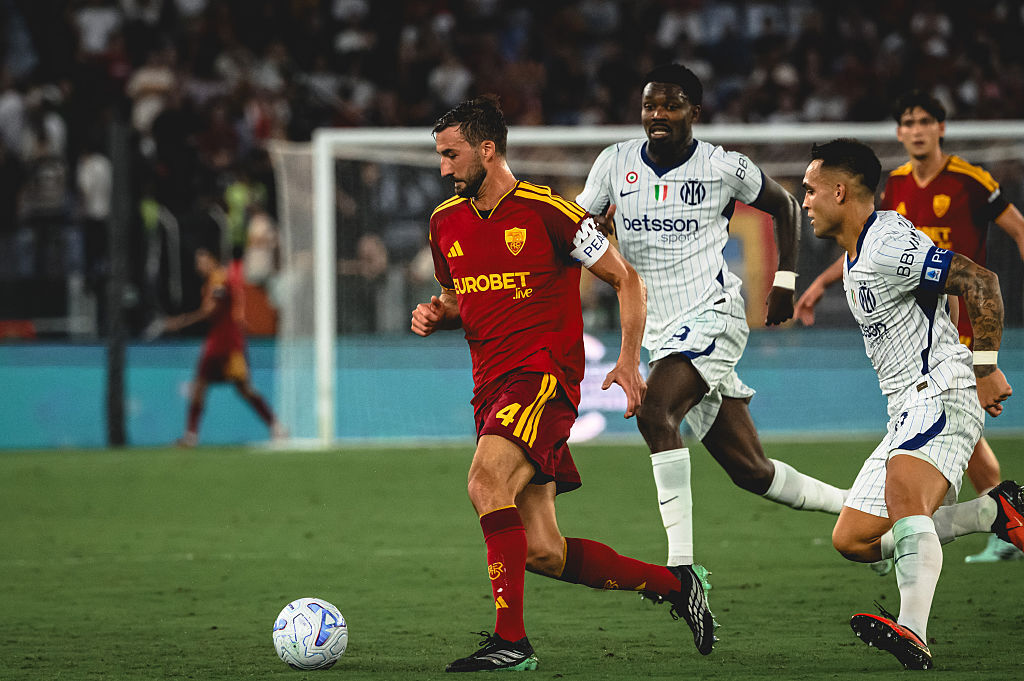
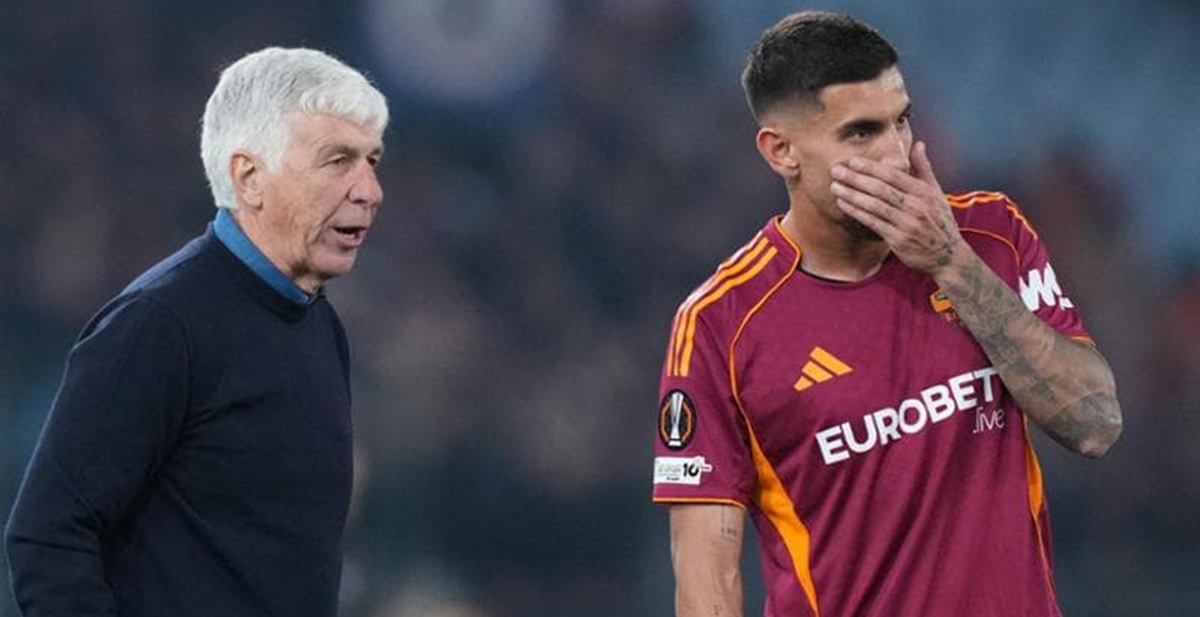
Pellegrini to restart from scratch as Gasperini seeks a new-role solution in midfield
Lorenzo Pellegrini is fit to return to competitive action after 184 days out, with the away fixture at Como set to mark his comeback in an official match. However, his reintegration into Gian Piero Gasperini's squad is far more complex than a simple recovery from injury. Pellegrini finds a Roma transformed since his absence: a new head coach, a different tactical system, reshaped hierarchies, and a captaincy distributed by fresh criteria. He must, in many respects, start almost from zero. Gasperini is not merely reintroducing a predetermined starter but can deploy a player with attacking attributes no other option currently offers in the same form. Paulo Dybala and Donyell Malen have rapidly become the team's primary references up front. Behind them, Matías Soulé and Rodrigo Mora press for minutes—players more offensively inclined and geared toward dribbling and one-on-one play. Pellegrini offers a different interpretation of the role. In the 3-4-1-2, the number 7 can operate behind the two forwards without functioning solely as a classical attacking midfielder. He can drop deeper to provide an extra passing line for the midfielders, accompany pressing, make unmarked runs, and crucially serve Dybala and Malen in the final third. He can, in theory, transform the 3-4-1-2 into something more fluid—at times a three-man midfield, at times a genuine three-forward attacking line. Against Como, this characteristic may carry particular weight. Gasperini wants to press the opposition's opening possession, and Pellegrini, starting behind the forwards, could help screen the initial build-up before immediately becoming the final-pass architect once possession is regained. It is a function neither Mora nor Soulé guarantees and could prove invaluable in matches requiring greater central density. Pellegrini has also used the international break to train without interruption at Trigoria while teammates traveled with their national teams. His recovery is complete, and autonomy is estimated at around one hour of play. He may not start at the Sinigaglia, but Gasperini can now genuinely consider him a solution from the outset rather than a player to be reintroduced gradually. After Como, a sequence of nine matches in 28 days begins—a run where relying always on the same personnel will prove impossible. Pellegrini need not displace anyone permanently; he allows Gasperini to alter the team's shape without dismantling it, alternating with other attacking options and offering control in midfield when required. His true challenge differs from the past. He must carve out space within a squad that has already found equilibrium without him, but this new standing may free him from the weight that has accompanied him in recent years. Gasperini does not ask him to be the project's centre. He asks him to become an extra weapon. In a Roma that will need practically everyone from October onward, that could prove far more valuable than it appears.