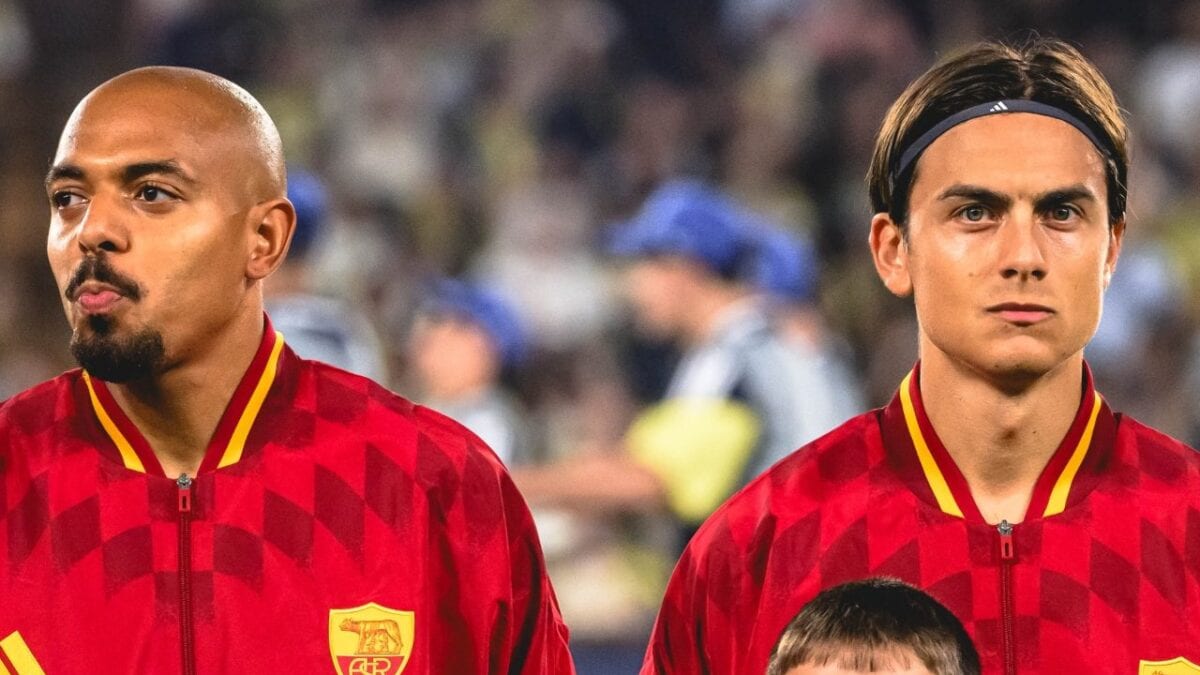
Roma can exploit Real Madrid's vulnerability, Gasperini analysis shows—Mourinho's side is strong but far from unbeatable
Roma face Real Madrid at the Stadio Olimpico with a genuine chance to exploit tactical weaknesses in José Mourinho's side, despite the Spanish club's superior individual talent. While Real Madrid possesses more elite-level players than any other opponent Roma will face this season, the quality of individual stars does not automatically translate into collective team balance. Real Madrid have already suffered defeats to Betis and Atlético Madrid in La Liga, and their recent victory over Villarreal—decided by a Diomandé goal—raised more questions than answers. In that match, Villarreal's visiting attacking play and possession dominance forced Real into a suffocating defensive display, especially in the closing stages. Mourinho began his Champions League campaign with a 2–1 win over Inter, demonstrating Real's lethal potential when they recover possession in advanced areas.
The Villarreal match exposed the tension at Real Madrid's core. Vinícius received a red card following a VAR review for pulling Saliba's hair, cancelling out what would have been a second goal. Mourinho, already agitated, was shown a yellow card during play and then absented himself from the post-match press conference to avoid disciplinary consequences. The incident reflects a fraught atmosphere where expectations are enormous but performance has not yet matched the technical investment. Mourinho is constructing a compact team built around a 4–2–3–1 shape, with Mbappé as the offensive reference point, Bellingham providing forward runs and quality between the lines, and Valverde connecting defence and attack. The central problem emerges when those tactical needs must accommodate multiple elite attacking players—Vinícius, Diomandé, Güler, Mbappé and Bellingham can each decide a match individually, yet they do not always guarantee the same commitment during phases without possession.
Gasperini's Roma can exploit this exact vulnerability. Real Madrid suffer when forced to defend collectively for prolonged periods and cannot exploit space freely. Roma's man-to-man pressure can disrupt Madrid's opening build-up, preventing midfielders from receiving cleanly and forcing defenders into poor passes. Koné and De Roon become crucial in winning the ball back and controlling second balls. Wesley and Molina hold tactical importance on the flanks—Roma must attack the width without surrendering space to Real's accelerating wingers, ideally forcing Madrid's wide players to defend rather than freely support attacks. Malen's capacity to attack depth can trouble a high-pressing defence at risk of leaving space behind. If Dybala and Soulé find gaps between midfield and defence with correct timing to feed the Dutch winger, Roma can create chances without territorial dominance. Conversely, losing possession with too many players advanced means Mbappé or Vinícius could be released toward goal, where a single error proves decisive against such finishers.
Real Madrid possess unquestionable quality—Courtois, Mbappé, Bellingham, Valverde and Vinícius inhabit an international dimension few clubs can afford. Roma have constructed a collective identity over recent months that can narrow at least part of this gap. Gasperini has identified Real's current lack of collective compactness as exploitable, recognising that many champions do not automatically form a perfectly organised team. Roma must not abandon their nature, yet must distinguish courage from recklessness: pressing when conditions exist, carefully timing when to push the full-backs forward, and crucially preventing the match from becoming a succession of individual duels across open space where Madrid's talent would prevail.