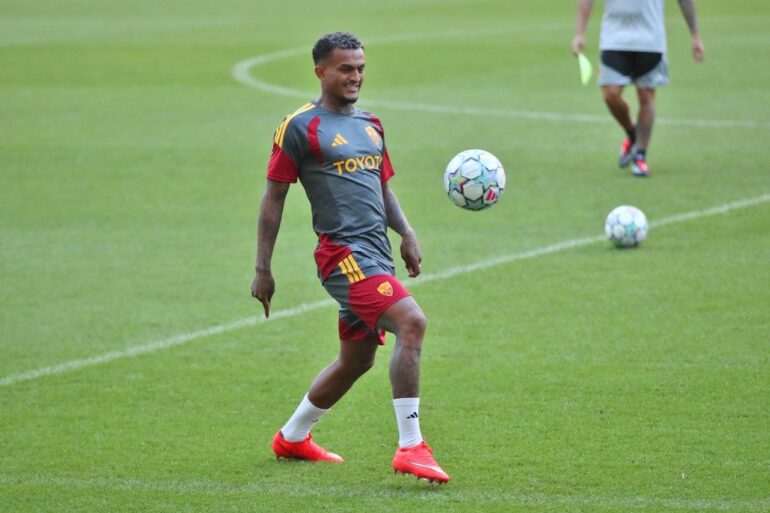
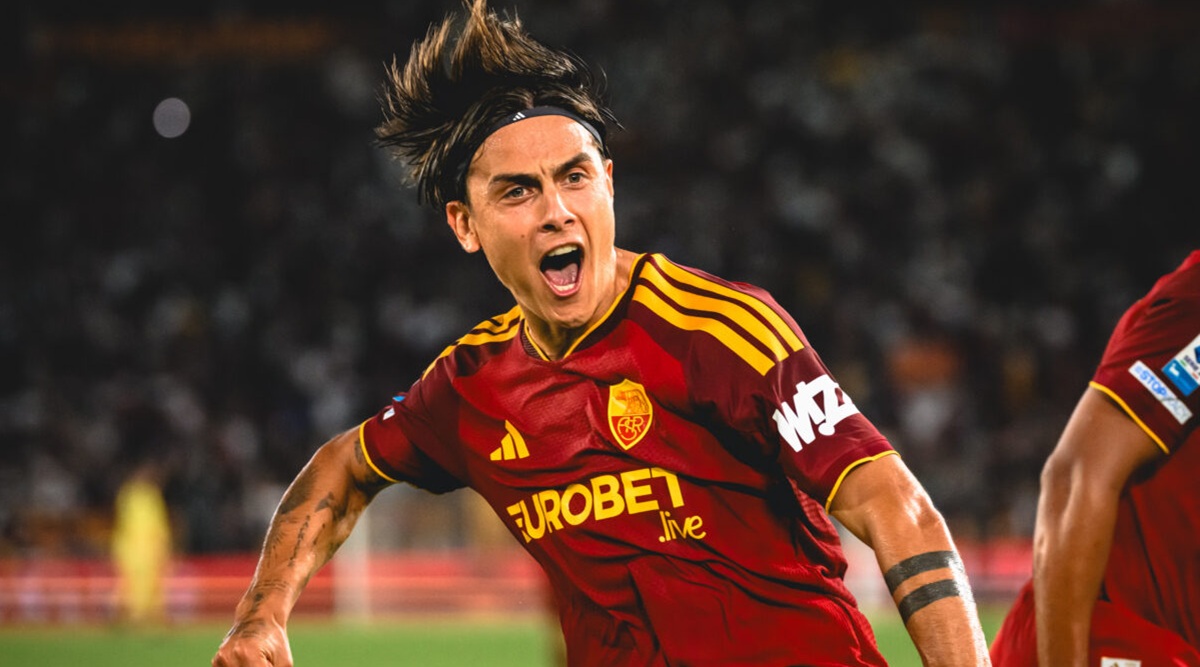
Dybala plays more regularly than he has in a decade, but one thing is still missing
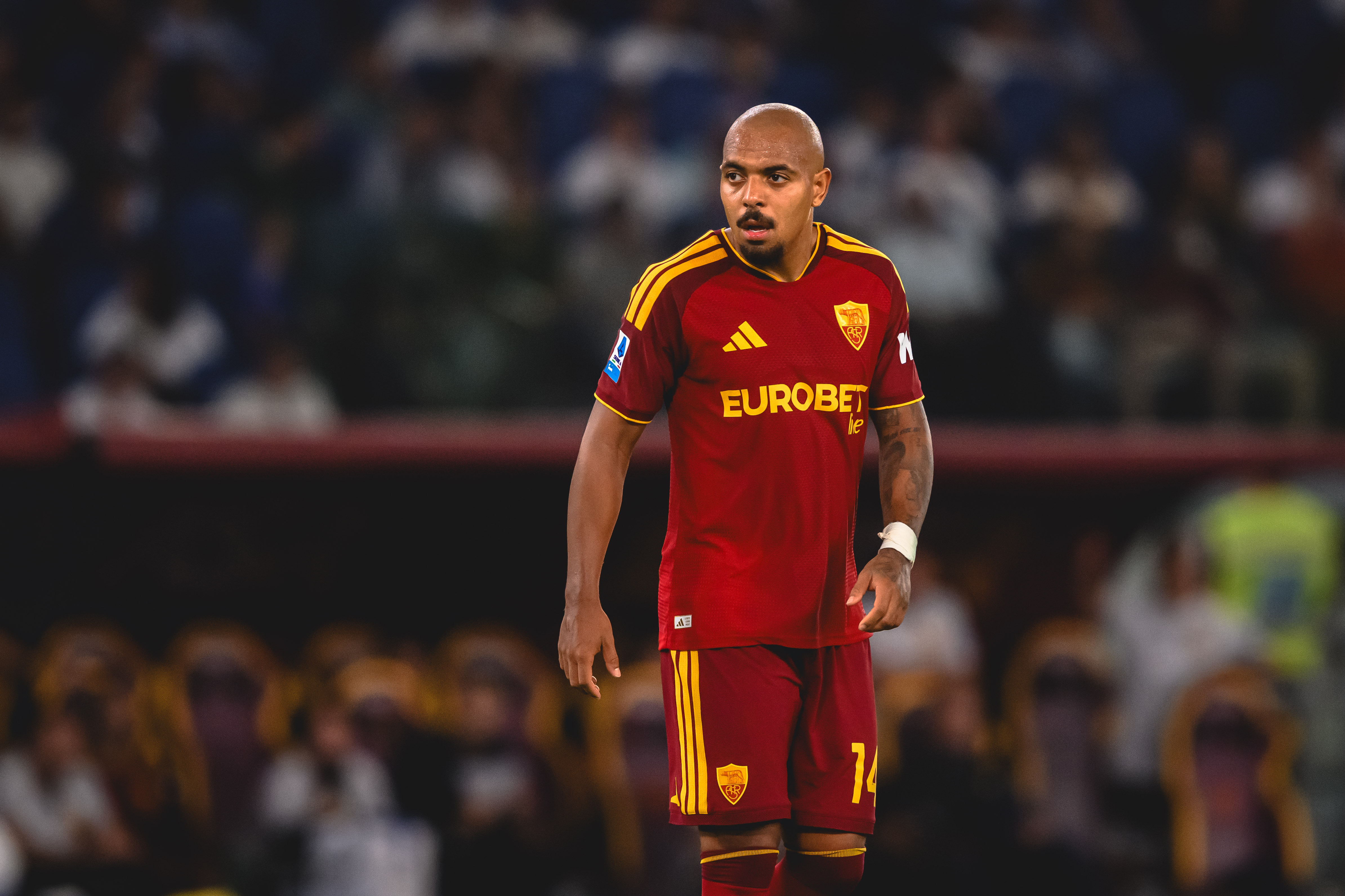
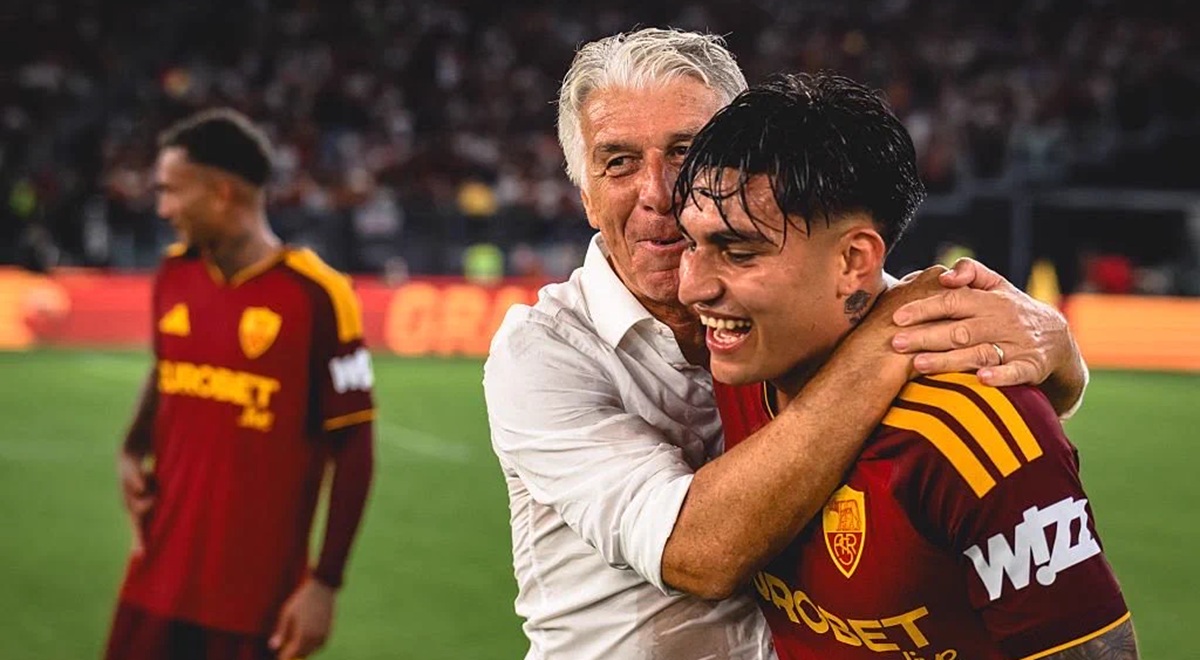
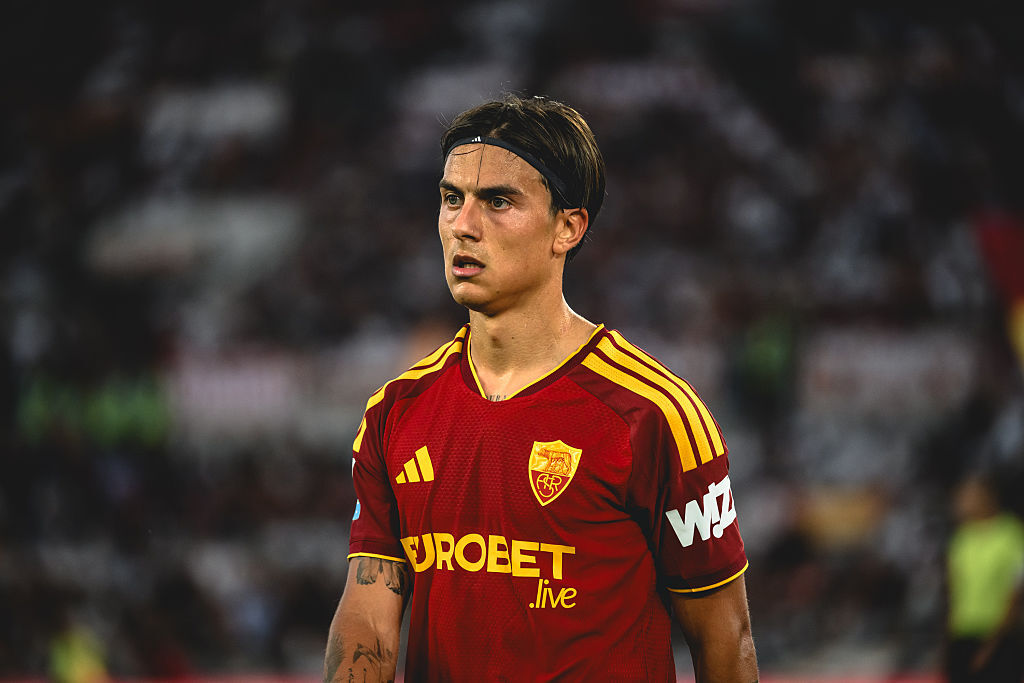
Paulo Dybala has started all six of Roma's official matches so far this season—five in Serie A and one in the Champions League against Fenerbahce—without being substituted before the hour mark, accumulating nearly 500 minutes. Gian Piero Gasperini had promised: "If he is well, he always plays." For a player whose fitness has been compromised repeatedly in recent years by muscle injuries and two surgical procedures in the last two seasons (one for a tendon injury, the other on his meniscus), this consistency represents a significant shift. The last time Dybala enjoyed a comparable run of consecutive starts was under Claudio Ranieri between November 2024 and January 2025, when he started eleven times in a row. In the first five league matches alone, Dybala played 407 minutes of 450 available—90.4%—a level of continuity at the start of a season he has not achieved for ten years, since 2016–17. Gasperini's tactical approach appears to have uncovered a new dimension to Dybala's game. Against Inter, he covered 9.8 kilometres, outrunning Lautaro Martínez and Donyell Malen, and reached a top speed of 29 km/h—figures that show the coach is demanding far more than just his creative touch. Dybala has provided four official assists already, though the statistics understate his impact: his involvement preceded both of Manu Koné's goals against Inter and Malen's goal in Turin, passes the data does not fully credit. Across his last nine appearances spanning the end of last season and the current campaign, he has delivered eight assists, five of them to Malen, an understanding that is becoming one of Gasperini's principal weapons. The Dybala of a few years ago was primarily a finisher; now he increasingly functions as the team's offensive playmaker, coming deep, opening up space, spotting the striker's movement ahead of others, and accelerating play with a single touch. Gasperini expressed his confidence plainly: "Physically Dybala is a beast. He could often even do extra time." A statement that would have seemed paradoxical not long ago, when managing his physical condition was a recurring theme. What remains absent, however, is the goal. Dybala has not scored since Torino–Roma on 18 January. Eight months have passed on the calendar, though only thirteen appearances have occurred in between because of the meniscus injury and March's surgery. His drought has begun to weigh on a player accustomed throughout his career to making an impact in front of goal. Against Inter he shot four times and, encouragingly, attempted more aggressive finishing options, including a hard strike he has rarely attempted recently—not merely his customary left-footed curl, but renewed confidence in his strike and his body. This moment of returning to goalscoring is probably the final step Gasperini awaits. He has already recovered a Dybala capable of playing with continuity, running, supporting the team, and above all making those around him better. Now what remains is for him to resume doing what came most naturally for years: scoring.