
← All stories
Torino scouted: an unstable squad that strikes when structure breaks down
·13 September 2026·3h ago

Torino scouted: an unstable squad that strikes when structure breaks down

Source: GialloRossi.net

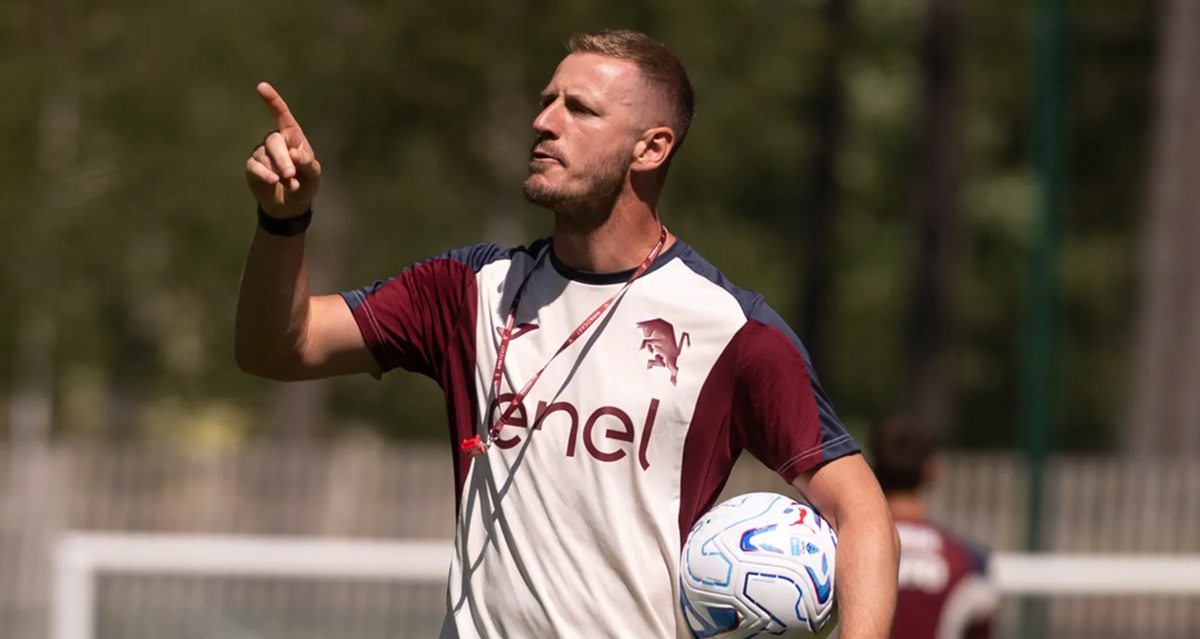
Torino have found their first Serie A win of the season with a comeback victory at Fiorentina, overturning a deficit through goals from Mandragora and Ché Adams, but the performance reveals a squad still searching for stability under coach Ignazio Abate. After defeats to Milan and Sassuolo and elimination from the Coppa Italia by Monza, the Torino manager has experimented with multiple formations—starting with a 3-4-2-1 before shifting into 3-5-1-1 or 3-5-2 in recent weeks. The underlying picture is of a side that concedes heavily but becomes far more dangerous when defensive shape breaks down and space opens up.

The statistics underline the instability. Across the first three matches, Torino registered 25 shots while allowing 52. Even in the Fiorentina win, despite controlling over 60% of possession, they managed only seven shots to Fiorentina's fourteen. More striking is the timing of goals: seven of the nine scored or conceded by Torino in the opening three games came in the second half. Against Milan the score remained 0-0 until the 64th minute; against Fiorentina all three goals arrived after the interval. This second-half pattern points to both Torino's strength and weakness: they exploit wider running, loose balls and the variety of their forward options more effectively as spaces expand, but simultaneously expose themselves to rapid counter-attacks into the final third.

Abate's attacking resources offer genuine threat. Cacciamani on the left breaks equilibrium through aggressive man-marking and width; Vlašić connects midfield and attack; Mandragora brings quality, experience and long-range threat. In the Fiorentina match, Abate shifted the shape to 4-3-1-2 midway through, inserting Simeone alongside Adams to add offensive weight and presence—the move directly preceded the completion of the comeback. Adams, though unavailable for tomorrow, moves freely, links play and has already scored twice in the league. Simeone provides penetration and box aggression; Zapata represents a physical alternative. Roma's counter-threat lies in pressing Torino's early passes—where they build from the back—to generate recoveries in dangerous areas, and in exploiting the gaps left at the flanks of Torino's three defenders when their full-backs advance.

The warning for Roma is that Torino have already demonstrated they can transform matches mid-contest, adding a forward and converting a controlled, static contest into a vertical, physical affair. The squad's true strength at this stage of the season is not consistent play but capacity to survive difficulty and ignite suddenly.

● AI Generated Summary

This summary was generated by an AI model. Always read the source for complete and accurate information.

Testo Originale / Source Text

Non è ancora il Torino che Ignazio Abate vorrebbe vedere, ma comincia ad assomigliargli. Dopo le sconfitte contro Milan e Sassuolo e l’eliminazione dalla Coppa Italia contro il Monza, i granata hanno trovato la prima vittoria in campionato sul campo della Fiorentina, rimontando lo svantaggio con le…

Read the full article in Italian at GialloRossi.net.

Read original on GialloRossi.net

More Analysis

Romano, another regret on the horizon? When Roma must sell its future
Club NewsTransfer News AI
6h ago

Romano, another regret on the horizon? When Roma must sell its future

Alessandro Romano has been sold to Cagliari for €5 million plus bonuses potentially rising to €6.5 million, but the move has reignited debate about Roma's pattern of disposing of young talent at underdeveloped stages. Signed from Winterthur in 2022 for approximately €70,000, Romano had been viewed at Trigoria as a prospect with significant potential and was developed into a Serie A-standard midfielder within a few years. From a financial standpoint, the transaction is defensible: the enormous profit relative to the initial outlay is straightforward. The deeper question, however, is whether Roma will later regret the sale. The club is not alone in facing pressure to generate revenue from youth players—academies exist partly to produce economic value, and no organization can retain all its talents indefinitely while waiting to identify which ones will flourish. Roma's position has been complicated by UEFA settlement agreement obligations in recent years, making the academy a significant revenue source; since 2022, youth departures have generated tens of millions. Yet a pattern has emerged. Davide Frattesi developed into an internationally competitive midfielder away from Rome; Riccardo Calafiori represents probably Roma's greatest regret. Romano's career trajectory will determine whether Roma sold him at the right moment or too early. The concern is not that he is currently ready to displace Manu Koné or Bryan Cristante, but that a talent still developing is precisely the type a club should attempt to maintain some form of control over when possible. The issue becomes more acute when considering Emanuele Lulli, who came close to joining Avellino during the summer in a deal that could have included a loan with an option to buy. The principle remains constant: when market conditions force a club to seek resources, young players become one of the easiest paths. Romano was sold in a summer when Roma needed to generate plusvalenzas and protect players deemed central to the first team. Romano will reveal through his career whether Roma timed the sale correctly or sold too soon. The lesson from Frattesi and Calafiori should be clear: while some young talent will inevitably escape, when Trigoria develops a player with something extra, maintaining some link to his future may ultimately be worth far more than immediate profit.
TeleRadioStereoRead original →
Torino-Roma: Gasperini's first real test of squad depth
Serie AAnalysis AI
7h ago

Torino-Roma: Gasperini's first real test of squad depth

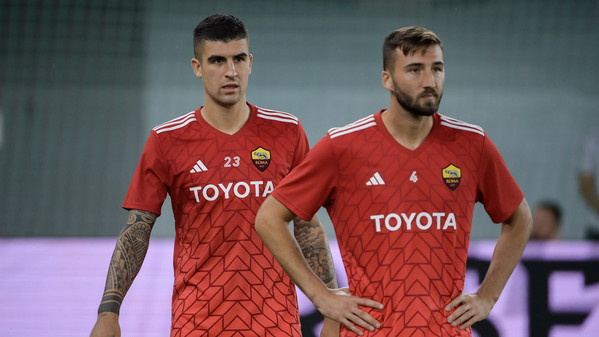
After three league matches and nine points, Roma face their first genuine fixture congestion on the back of Champions League action midweek. Gian Piero Gasperini must now navigate his first serious turnover decision, with Manu Koné sidelined by a knee problem, Paulo Dybala cramping through the closing stages, and Gianluca Mancini appearing fatigued before his substitution. The manager faces a delicate balance: rotation has become unavoidable, but wholesale change could disrupt the coordinated pressing, tight spacing, immediate aggression after possession loss, and attacking patterns that have been central to Roma's bright start. Gasperini has built Roma's perfect opening around a squad that has rapidly learned to recognise itself. Making too many changes at once risks undermining those automatisms. Yet selective intervention is inevitable. Without Koné, Niccolò Pisilli appears the natural solution alongside Bryan Cristante; deploying Marten de Roon, though he has the deepest familiarity with Gasperini, would require him to build understanding with new teammates. In attack, resting Dybala makes sense, with Matías Soulé and Rodrigo Mora able to provide freshness behind Donyell Malen without overturning the offensive identity. Mancini also warrants consideration—he appeared below his usual standard in Istanbul, while Leonardo Balerdi brought aggression and intensity after entering the pitch. The real test lies in the principle Gasperini must master: having no untouchable starting eleven, yet changing three or four players without the football itself changing. Roma arrive at Torino with a perfect record and, more valuably than nine points, a recognisable shape. Three or four changes can regenerate; seven or eight risk creating a different team entirely. The paradox would be protecting energy by sacrificing the very continuity that has made the season's start so strong. For the first time, Gasperini must genuinely manage the squad rather than simply select the strongest team. That quality—doing turnover so well it barely shows—will define whether Roma can sustain their level across multiple competitions.

TeleRadioStereoRead original →
Gasperini and Abate: experience meets debutant as Torino prepare to host Roma
Serie AMatch Report AI
7h ago

Gasperini and Abate: experience meets debutant as Torino prepare to host Roma

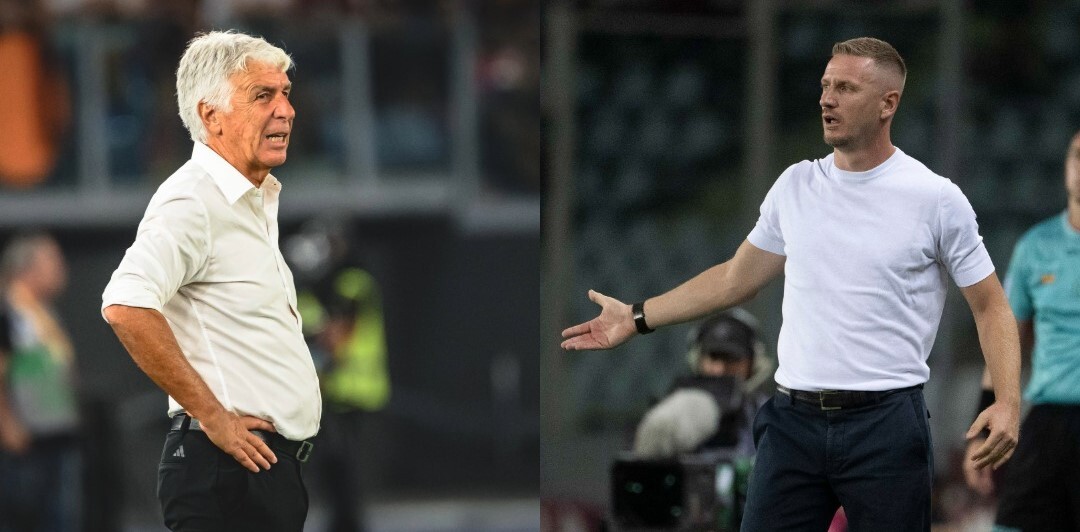
Roma travel to Torino on Monday 14 September for a Serie A fixture with kickoff at 18:30 at Stadio Olimpico-Grande Torino, their second match in five days following last Thursday's Champions League debut at Fenerbahce. The fixture comes ahead of a crucial encounter against Inter on Saturday at 18:00 at the Olimpico, which could determine the league leadership if both sides secure favourable results beforehand. The match will pit Gasperini, Roma's established head coach, against Torino counterpart Abate, making his Serie A managerial debut this season. Both operate from similar footballing philosophies but with notable divergences. Gasperini favours obsessive man-to-man pressing across the pitch and incisive vertical passes, while Abate has adopted a style rooted in positional possession and ball dominance in the Dezerbian tradition—as he himself has stated—whilst maintaining strong tactical practicality and defensive balance. Both coaches share a connection to the 2007–08 season: Gasperini made his Serie A bow that year with newly promoted Genoa, whilst Abate debuted in the top flight as a young player for Empoli. Torino's preparation centres on a compact 3-5-1-1 shape designed to contain Roma's attacking threat, specifically targeting Malen. Gasperini may opt for limited rotation, setting up what could unfold as a tactical chess match at the Stadio Olimpico-Grande Torino.

Feedback