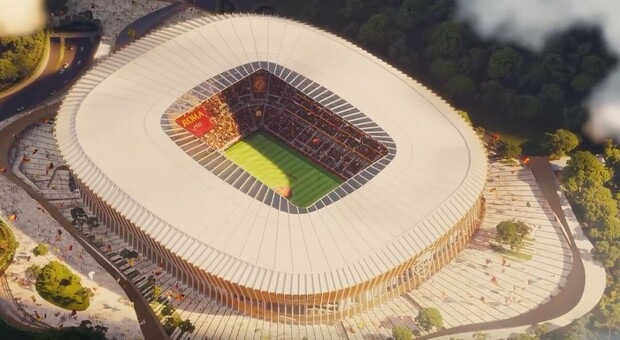
Roma's new stadium at Pietralata gets final approval; detailed plans due by late January
AS Roma's new stadium project at Pietralata has received final approval following the conclusion of a decision-making conference on 28 September. The second and final session of the conference began at 10:30 and was divided into two parts: a technical review of impact assessments and permits until 11:36, followed from 13:00 onwards by the issuing of the sole commissarial authorisation measure (Pauc). These acts end the discussion and modification phase; the approved project is now complete and fixed, with no further changes to design elements. The stadium will hold just over 60,000 seats, including 3,000 for away supporters, and will feature two green parks, parking for cars, motorcycles, bicycles and scooters, and three pedestrian and cycle bridges. One bridge will cross the railway embankment at Via Livorno; another will connect to the stadium via Via Monti Tiburtini; a third will bypass Piazzale Giovanni Spadolini at the rear exit of Stazione Tiburtina. Public transport improvements include turnstiles to manage access to Stazione Tiburtina, a new entrance to metro line B at Quintiliani, and increased FS train services during matches. The project represents an investment of over one billion euros and aims to regenerate the Pietralata neighbourhood with new public spaces and parks. Sports Minister Andrea Abodi, speaking in the second part of the session, praised the work of the government commissioner for UEFA stadiums 2032, engineer Massimo Sessa. Transport Minister Matteo Salvini, in a statement, described the completion of the procedure in just 90 days as concrete proof of institutional teamwork, calling the stadium a strategic infrastructure for Rome and Italy that will strengthen Italy's candidacy for UEFA Euro 2032. Rome Mayor Gualtieri, present at the session as sub-commissioner, said: "It is another historic day for Rome, crowning four years of work by our administration. It is a result that Giallorossi supporters have awaited for decades and a great opportunity for the whole city. It will be a beautiful, modern facility open and used year-round. Its construction will regenerate an entire city district with new public spaces, piazzas and above all two large parks open to citizens. The new stadium that Roma has awaited since the days of Dino Viola is now within reach." Regional commissioner Rocca, in a statement, noted the advancement towards realising an infrastructure that can bring lasting benefits to Rome and Lazio. AS Roma's technical team must now prepare the detailed execution project, work already underway for months. To meet UEFA requirements for the facility to be construction-ready by March 2027, the detailed project must be submitted by the end of January at the latest, with submission expected between Christmas and the end of January.