Romano not Rodri: Why Gasperini let him leave Roma
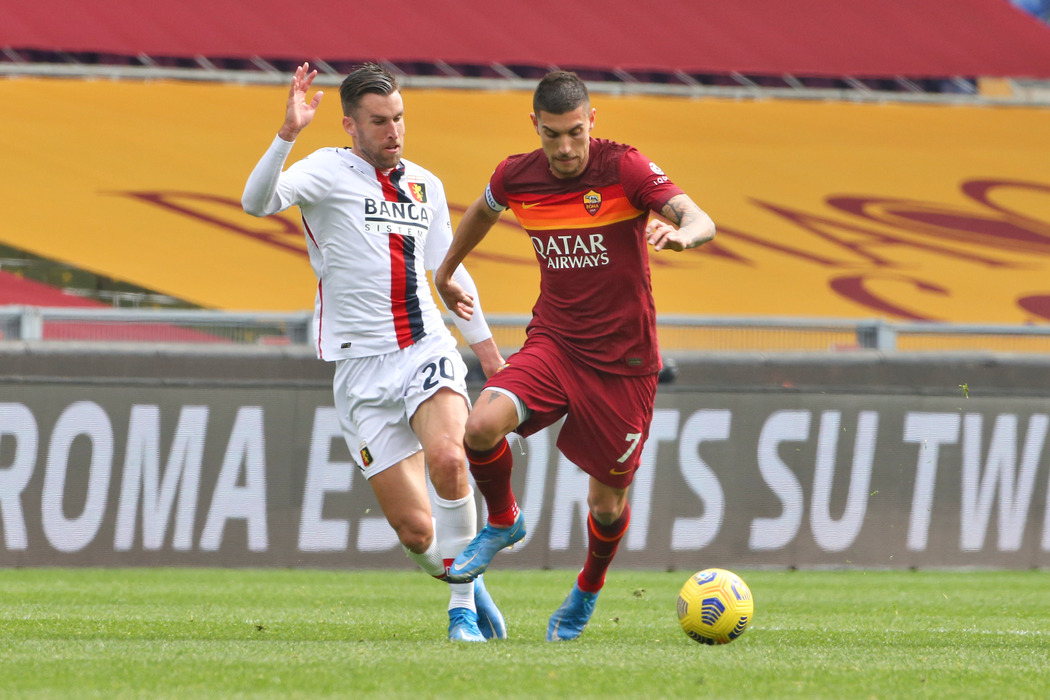
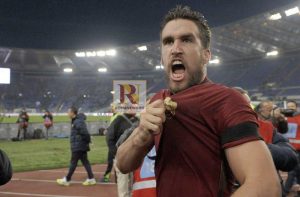
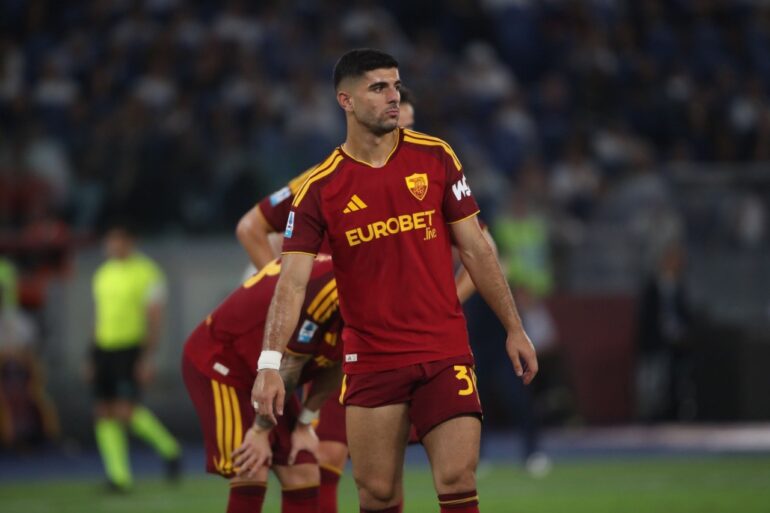
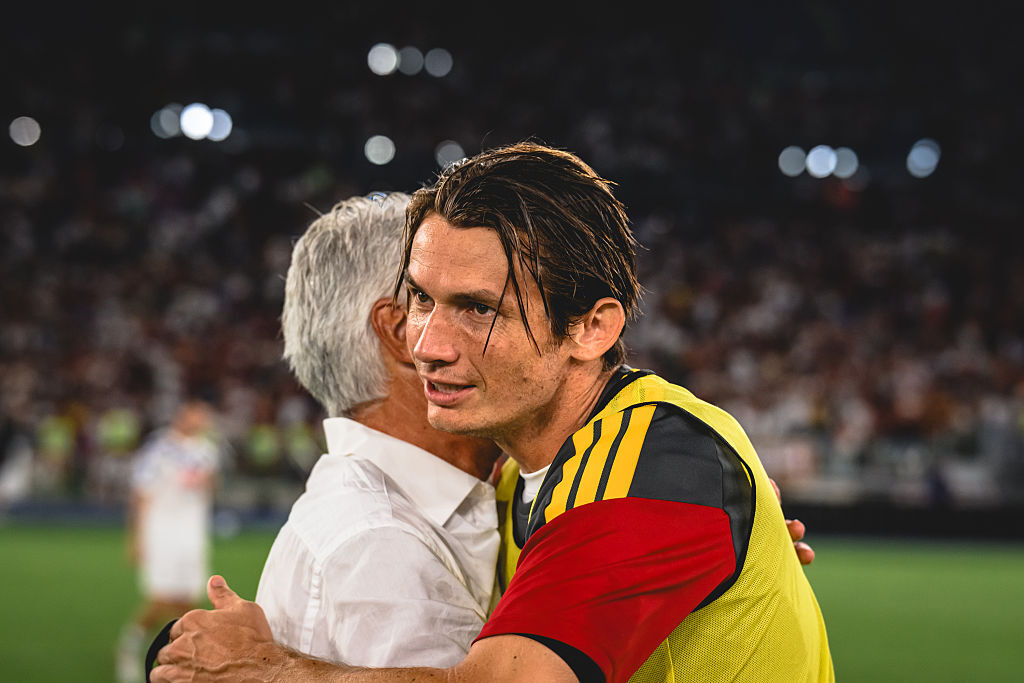
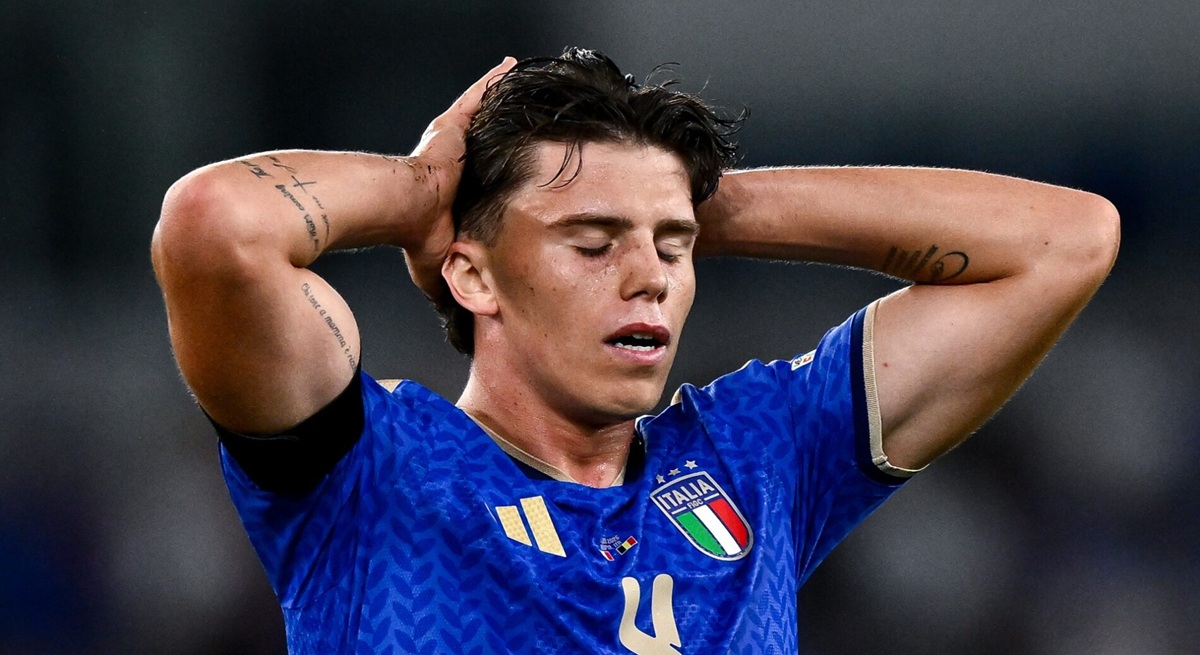
Alessandro Romano made his senior debut for Italy against Belgium at the Olimpico on 26 September 2026, but the Corriere della Sera used his performance in a 2–0 defeat to reopen debate about Roma's decision to sell him. The newspaper's chief critic Fabrizio Roncone focused heavily on the midfielder's role in Belgium's opening goal: Romano received the ball in midfield, came under opponent pressure, and lost possession cheaply, allowing Belgium to counter rapidly. From that turnover came Godts's opening goal. The Corriere's assessment was blunt: "There is Romano in midfield seeing them descend on him, seeing only red shirts and making an easy pass mistake." More pointedly still, the paper stated: "This Romano is not the new Rodri. Get that out of your head. He is what he is." That judgment led directly to Gasperini and Roma. The Corriere argued that because Gasperini watched Romano daily at Trigoria and gave him only sparse first-team minutes before approving first a loan to Spezia and then a permanent move to Cagliari, the coach must have seen something that others are only now discovering. "If Gasperini, having had him at Trigoria under his eyes every day, decided he could be sold to Cagliari in the name of even modest profit, there must be a reason," the paper wrote. Romano's rise had been dramatic: at Cagliari he quickly earned a starting berth, scored on his first start in that role, and secured his Italy call-up. Analysts including Fabio Pisacane had compared him to Kevin Strootman, and Romano himself cited Rodri as his model. One poor performance against a vastly superior Belgium side at international debut cannot be conclusive for a 20-year-old, yet the Corriere's criticism inevitably resurrects questions about Roma's summer disposal. The broader match told against Romano too. The Corriere described Italy as slow, predictable, and unable to match modern European football's tempo, with Mancini's setup likened to "old, dusty tiki-taka"—dense possession without genuine attacking acceleration. Belgium played vertically, attacked space, and exploited the quality of De Bruyne, De Ketelaere and Godts. By half-time Belgium appeared "of another category," and Donnarumma was forced to make repeated saves to prevent a heavier defeat. Mancini withdrew Romano at the 65th minute, replacing him with Frattesi, but the script barely changed. Belgium scored a second and the Olimpico filled the final stages with whistles and protest.