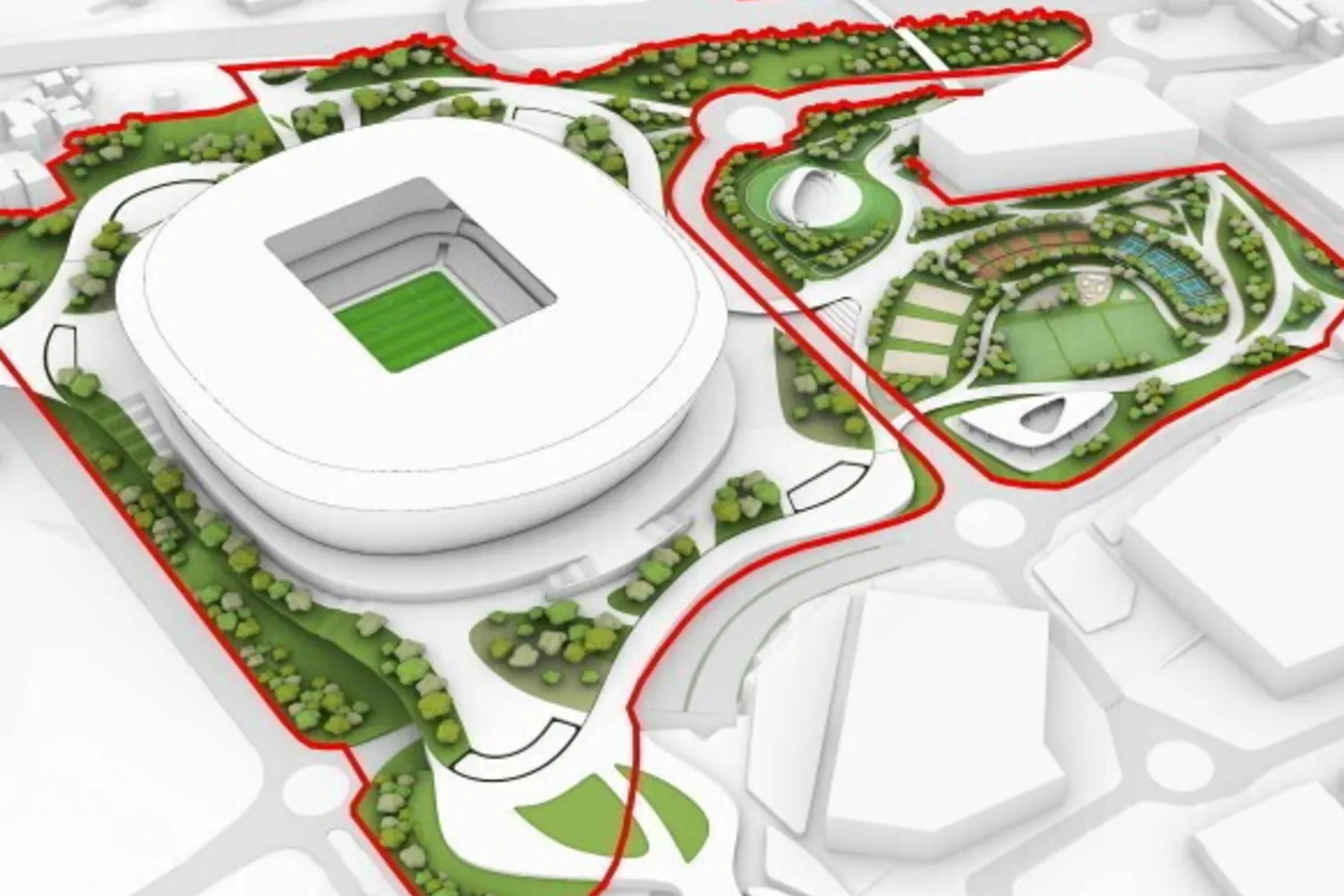
Rome's government commissioner for Euro 2032 stadiums, Massimo Sessa, has announced the release of the single authorisation for the construction of AS Roma's new stadium at Pietralata, following the conclusive session of the Conferenza dei Servizi decisoria. The approval closes the fundamental phase of the administrative process that began years ago to transform the club's new stadium from a project into a concrete, buildable reality.
The authorisation marks a historic moment for the Friedkin ownership after more than four decades of pursuit dating back to former Roma president Dino Viola's initial vision in the 1980s. Previous ownership attempts had repeatedly encountered political, administrative and project-related obstacles. Roma must now incorporate the prescriptions and recommendations that emerged during the Conferenza dei Servizi into the project and complete the necessary documentation to reach the executive phase. The proceedings involved approximately fifty institutional and technical bodies. The Soprintendenza had already issued a favourable assessment in recent days within the Environmental Impact Evaluation, though accompanied by prescriptions regarding protection of green spaces and archaeological finds in the area.
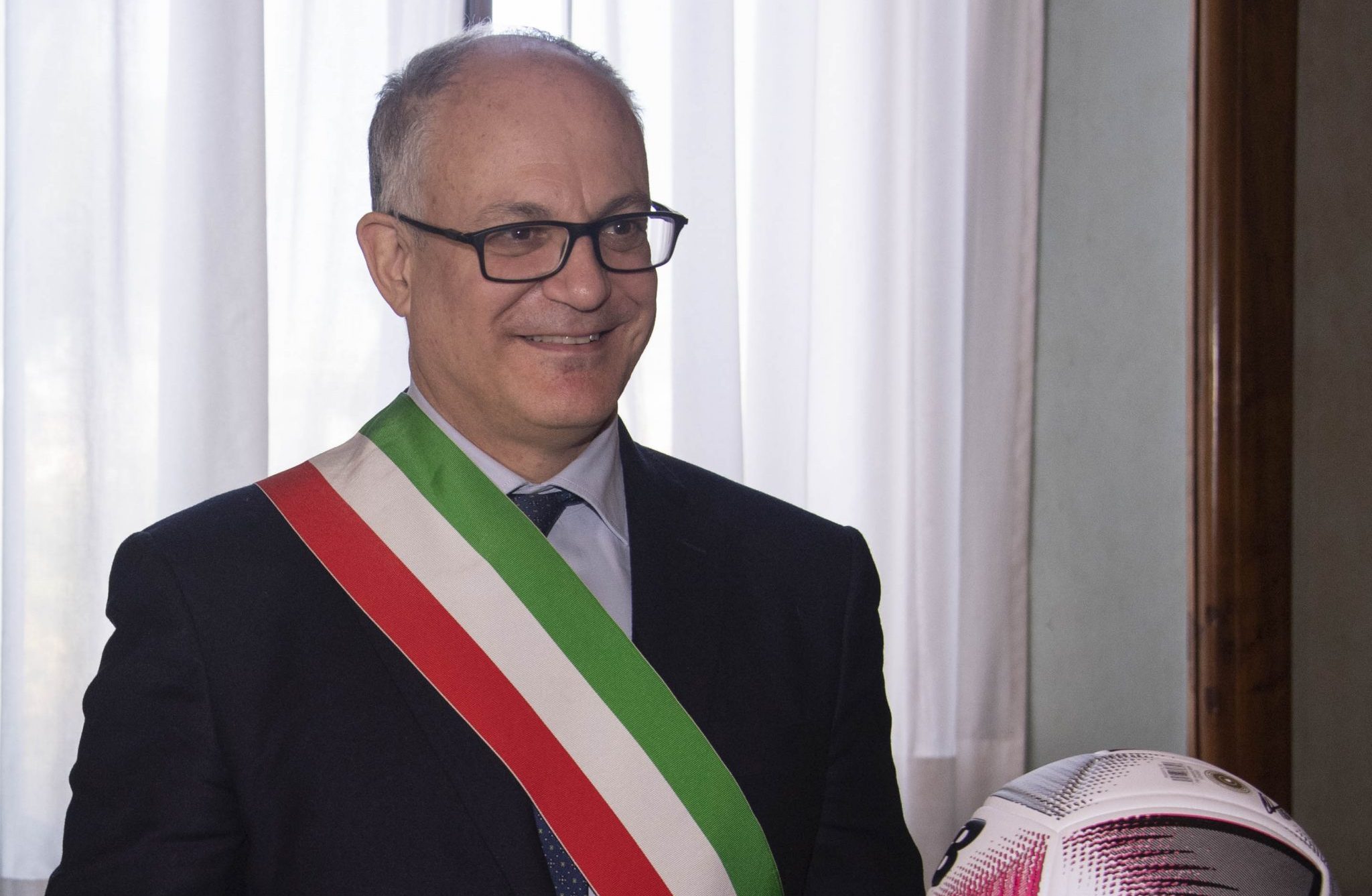
Before entering the meeting, Sessa stated: "It is something that started in the 1980s with former Roma president Dino Viola. Today we finally have certainty of doing something that is good for the city, for the supporters and good for everyone. We have the modern projection of a stadium that will be open and alive 365 days a year." The new stadium will have a capacity of 60,605 seats, including a South Curve with approximately 23,000 spectators, within a broader intervention to transform the Pietralata area. Rome mayor Gualtieri commented: "This is the first major new facility that will take Rome's football to a new level and represents important regeneration of part of our city. Now the conditions exist to proceed swiftly and open the construction sites at the start of 2027 and in three years have the stadium ready because the construction lasts precisely two and a half years and therefore the stadium could be ready even in 2029."
Roma's timeline is ambitious: complete the final project by the end of this year, open the construction sites in spring 2027, finish works by 2031, and potentially host Euro 2032 matches at the new venue. Construction will not begin immediately at Pietralata; Roma must first adapt the project to satisfy all conditions and recommendations from the Conferenza dei Servizi.
Story Coverage2 sources on this story
AS Roma's new stadium at Pietralata has received final regulatory approval following a decisive session of the Services Conference on 28 September. Massimo Sessa, extraordinary commissioner for Euro 2032 stadiums, issued the single authorization for construction after the conference issued a favourable opinion. The approval marks a historic moment for the Friedkin ownership, closing a fundamental administrative phase that began decades ago when former Roma president Dino Viola first envisioned the project in the 1980s. The proceedings involved approximately fifty institutional and technical bodies, with the Soprintendenza having already issued a favourable assessment within the Environmental Impact Evaluation, though with prescriptions regarding green space protection and archaeological finds.
Roma must now incorporate the prescriptions and recommendations from the conference into the project and complete necessary documentation to enter the executive phase. The new stadium will have a capacity of 60,605 seats, including a South Curve with approximately 23,000 spectators, within a broader urban regeneration of the Pietralata area. Construction is targeted to begin in spring 2027, with completion scheduled by 2031. Rome mayor Gualtieri commented that construction could potentially last two and a half years, meaning the stadium might be ready even in 2029.
Sessa emphasized the stadium's modern vision: "We have the modern projection of a stadium that will be open and alive 365 days a year." The facility has been designed as an integrated urban structure usable year-round, not simply as a venue for Roma matches alone.
AI synthesis of all sources below — always check the originals.
Testo Originale / Source Text
“Il via libera tanto atteso è arrivato. Il commissario straordinario del Governo per gli stadi di Euro 2032, Massimo Sessa, ha annunciato il rilascio dell’autorizzazione unica per la realizzazione del nuovo Stadio della Roma a Pietralata, al termine della seduta conclusiva della Conferenza dei…”
Read the full article in Italian at GialloRossi.net.