Roma outspent Inter by €25m under Friedkin ownership
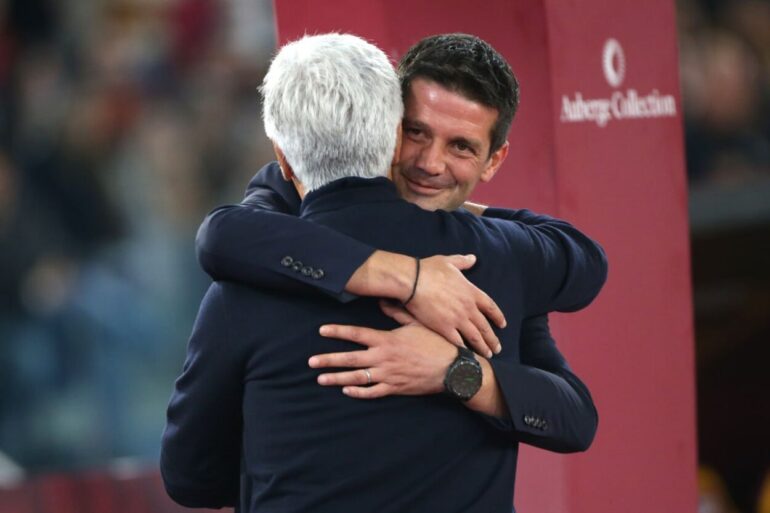
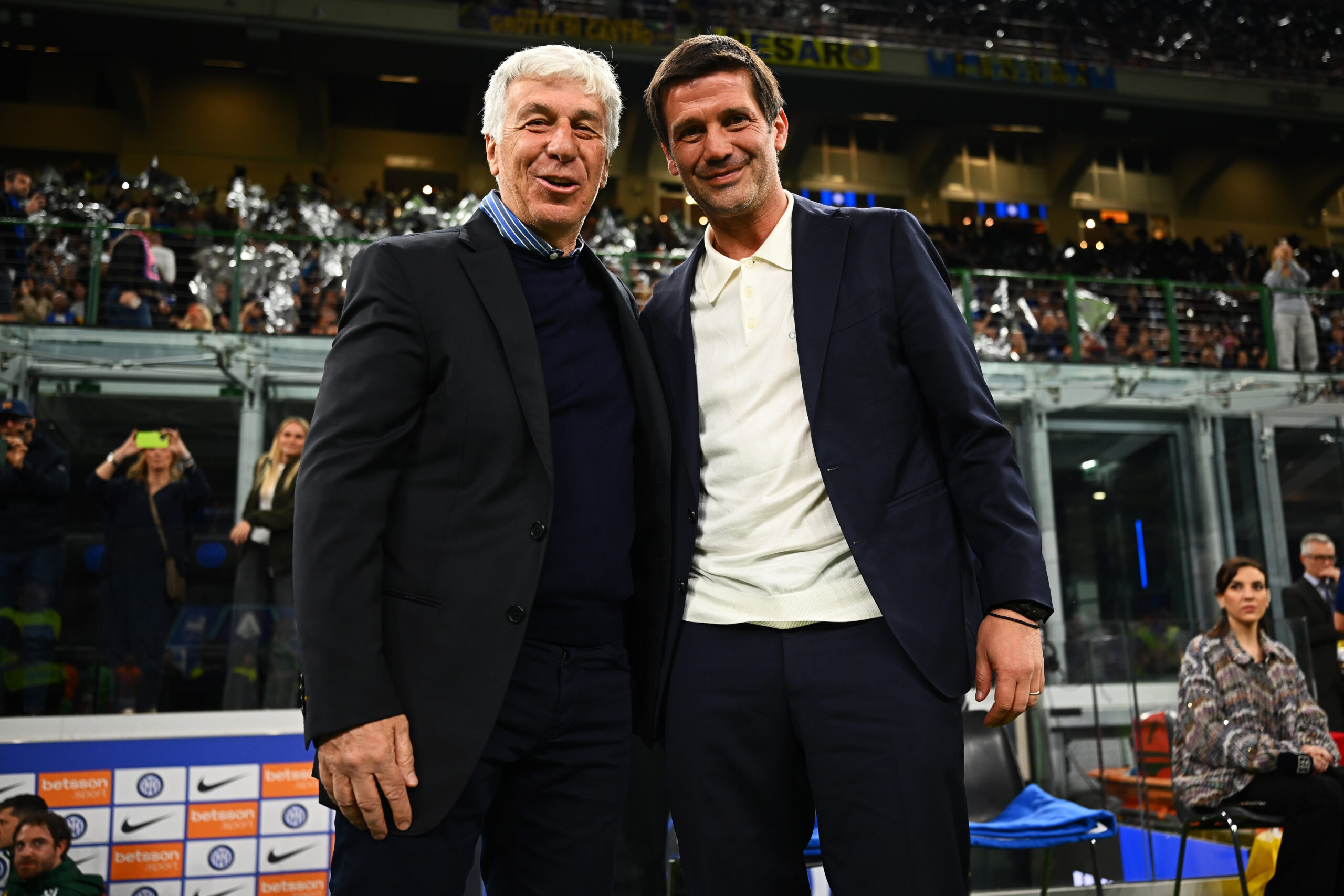
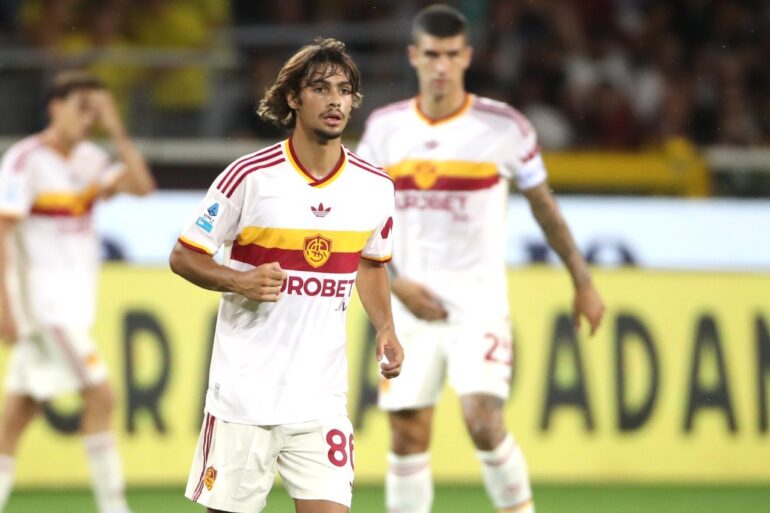
Roma and Inter will meet on the pitch this Saturday as the Serie A leaders, but behind the fixture lies a stark contrast in how their respective owners build and sustain their projects. Gian Piero Gasperini's Roma have invested €211 million in player acquisitions since his arrival, while Cristian Chivu's Inter have spent €186 million—a gap of €25 million that illustrates the Friedkin Group's commitment to backing the sporting project despite UEFA financial fair play constraints. By contrast, Inter's ownership under Oaktree has prioritised economic and financial stability. The €211 million Roma figure spans the campaigns that began with Gasperini's appointment. In the 2025–26 season, Roma spent €86.5 million, with Wesley arriving for €25 million and Neil El Aynaoui for €23 million, alongside Robinio Vaz (€20 million), Jan Ziółkowski (€6.5 million), and several expensive loans including Donyell Malen, Bailey, Evan Ferguson, Daniele Ghilardi and Zaragoza. The acceleration came this summer: the Friedkin Group approved €124.5 million for 2026–27, comprising Santiago Castro (€35 million), Rodrigo Mora (€25 million), Malen's permanent transfer (€25 million), Konstantinos Koulierakis (€16.5 million), Nahuel Molina (€13 million), Ghilardi's purchase (€8 million), Marten de Roon (€1 million) and Leonardo Balerdi's loan (€1 million). The Porto agreement for Mora includes a further €25 million for 2027 or 50 per cent of any future sale. The contrast deepens when examining the wider impact on club finances. Since summer 2025, Roma's squad costs—including salaries, depreciation and loan fees—have risen by approximately €15 million, while Inter's have fallen by approximately €10 million. The Friedkin Group has covered losses through fresh capital injections, accepting red accounts to sustain sporting growth; Roma has not closed a profitable financial year since their 2020 arrival, with 2025–26 expected to end in loss. Oaktree delivered a €35 million profit in its first Inter season and is preparing to close the next year in the black. Both approaches remain valid: Chivu inherited a structured squad already competing at the highest level, while Gasperini was tasked with rebuilding after Roma's seven-year absence from the Champions League. Saturday's direct clash will test both strategies on the pitch. One club has chosen acceleration to close the gap; the other is maintaining competitiveness while reducing the squad's economic burden.