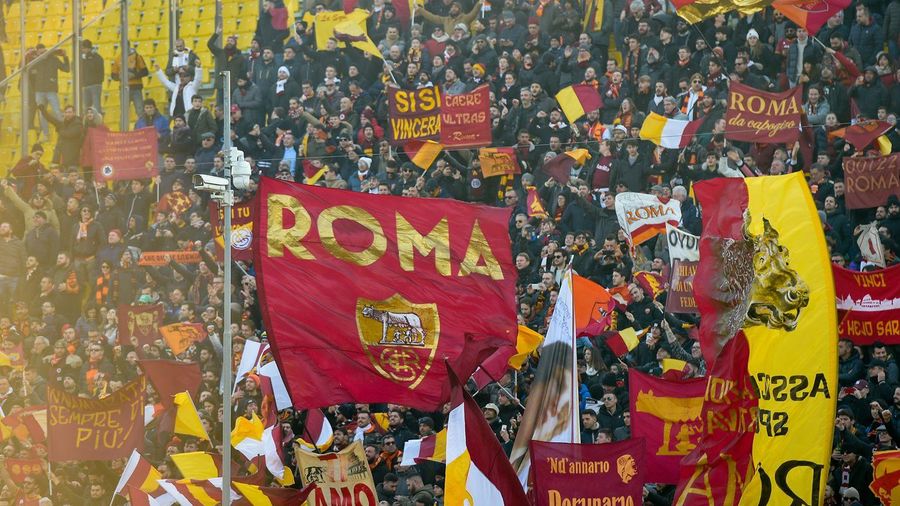
Roma's away fans have been hit by travel bans or heavy restrictions at 12 of their last 14 away trips, and the ticket sale for the Parma match on 21 November has now been suspended. The sale of tickets for the away sector at the Stadio Tardini is on hold pending the assessment of the Osservatorio Nazionale sulle Manifestazioni Sportive. The reason circulating points to clashes from February 2025, when a group of Roma supporters waiting for their coach was attacked near a fast food outlet. The article calls that episode serious but says it happened almost two years ago and was an isolated incident, not an uninterrupted series of violence that could justify blanket preventive closures of entire away trips.
Lawyer Lorenzo Contucci, who has followed these cases for years, argues the pattern now amounts to policy. Contucci said: "Su 14 trasferte in 12 occasioni ci sono state delle limitazioni, è una politica e non più ordine pubblico", which translates as: "Out of 14 away trips, on 12 occasions there have been restrictions. It is a policy and no longer public order." He added: "È facile gestire l'ordine pubblico non gestendolo", meaning: "It is easy to manage public order by not managing it." Contucci also highlighted the practical damage. Having three or four thousand supporters in an away section is what is known as the "twelfth man", and removing them systematically from one fanbase alters the conditions of a match and, over time, weighs on the club's league position and finances.
The article rejects the argument that other fanbases face the same treatment. It notes that in the past year Fiorentina and Roma were hit after the motorway clashes of January 2026, Lazio and Napoli for the same reasons, and Juventus and Torino were sanctioned for ten matchdays after violence at the derby at the end of May. Those measures, however, were tied to specific incidents and mostly time-limited. None of them matches Roma's record of twelve restrictions or bans in the last fourteen away trips, a near-unbroken sequence of closures or territorial restrictions match after match. Observatory data confirm a general trend, with away bans in Italy more than doubling in three seasons, but Roma's specific frequency remains an anomaly. The article argues the real distinction is between prevention and avoidance: prevention means identifying dangerous individuals, applying targeted Daspo bans, and checking travel, while avoidance means closing the away sector or banning sales to residents of an entire region.
The article draws on England in the 1980s and 1990s, when generalised bans, mass exclusions and fortress stadiums did not eliminate hooliganism but pushed it out of grounds and into streets, stations and overseas trips, fuelling resentment and more organised forms of violence. It warns that a similar mechanism could emerge in Italy, with the risk being the radicalisation of part of the fanbase and the shifting of tensions away from police attention.
The matter has also reached Parliament. M5S spokesman Francesco Silvestri asked Interior Minister Matteo Piantedosi to report to the chamber. Silvestri asked how it is possible that, a few days before the match, thousands of people still do not know whether they can take a train or organise a journey. He recalled that the 2025 clashes were known for some time and that the fixture calendar has been public for months, and he highlighted the paradox of territorial-only restrictions: a Roma fan living outside Lazio could enter, while one living in Rome or its province could not. The article concludes that nobody is asking for impunity for violence, and that those who attack must be identified, prosecuted and banned from stadiums, but that confusing repression of violent episodes with preventive collective punishment of entire fanbases abandons both public order and citizens' right to watch a football match.
Story Coverage7 sources on this story
Roma supporters will be allowed into the away sector at Parma's Ennio Tardini for the Saturday 21 November fixture at 18:00, after a threatened ban was averted. Tickets are priced at €40 and sales opened on Wednesday 18 November at 16:00 via Vivaticket, initially for Lazio residents holding a Fidelity Card. Forza Roma and Roma News report that the allocation sold out in about 90 minutes. The outlets differ on the size of the allocation: Forza Roma puts it at around 3,500 tickets, while Retesport says about 2,000. Retesport names Sozza as referee, with Di Gioia and Politi as assistants.
The outlets also differ on the timeline and eligibility. Roma News says the CASMS gave its go-ahead only on Wednesday, after the ONMS suspended its judgement and passed the decision on Tuesday, and that fans living elsewhere can buy with an AS Roma Card. Roma News adds that sales close at 19:00 on 20 November, with no matchday sales. Il Messaggero, as cited by Roma News, credits CEO John Galantic and head of institutional relations Lucia Bernabé with the behind-the-scenes work that secured the decision. TeleRadioStereo, meanwhile, reports that the sale had been suspended pending assessment and highlights that Roma away fans have faced bans or heavy restrictions at 12 of their last 14 away trips.
Lawyer Lorenzo Contucci argues this amounts to policy rather than public order. M5S spokesman Francesco Silvestri has asked Interior Minister Matteo Piantedosi to report to Parliament, questioning why thousands of supporters still did not know whether they could travel days before the match. He also criticised the distinction that restricts Lazio residents while allowing a Roma fan from Lombardy to attend.
AI synthesis of all sources below — always check the originals.