
Roma's blueprint for growth: stadium, youth development and sustainable ambition
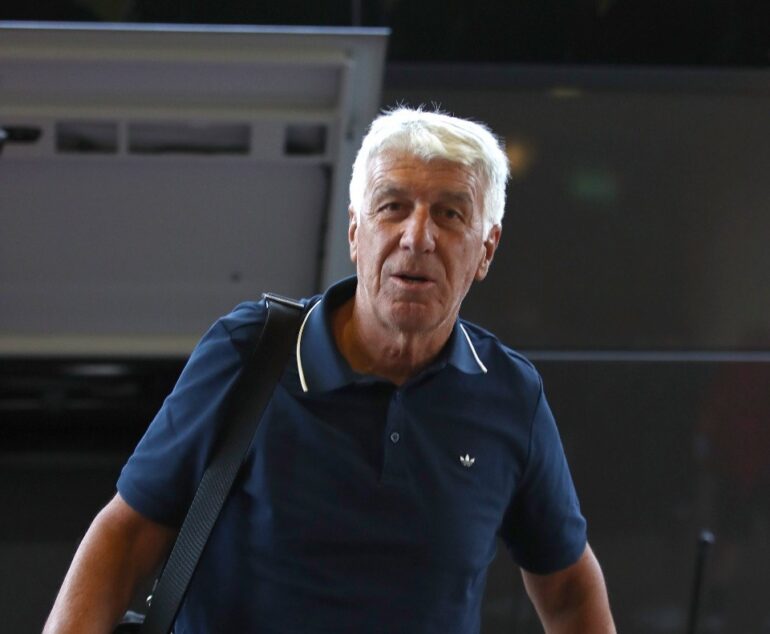
The Friedkin Group has committed €1 billion in investment to Roma's long-term project, centred on a new stadium at Pietralata with a €1.3 billion price tag designed to transform the club's finances and competitiveness. John Galantic, appointed to oversee the expansion, outlined a three-pillar strategy: renovating the youth academy under academy directors D'Amico and Margiotta, establishing an Under-23 team to bridge Primavera and the first squad, and leveraging Roma's partnership with Cannes to identify emerging talent. The club aims to place new academy graduates into the first team annually to create a sustainable model without reliance on pure transfer profits, with academy graduates Emanuele Lulli and Niccolò Pisilli cited as examples of the approach already bearing fruit. The new stadium forms the centrepiece of this expansion. Roma targets laying the foundation stone by March 2027 and projects that the first season of operation will generate a 245% increase in revenue compared to 2025, exclusive of new sponsorship deals. Galantic explained the strategic vision: "We have three projects: renovate the youth academy, thanks to people like D'Amico and Margiotta. Then the next growth phase between Primavera and the first team: we need the Under-23. And finally synergies with the Cannes squad, which is in the richest talent market. Every year we want to place new players developed in-house to grow and have a sustainable model." On the stadium itself, Galantic stated: "In four years the stadium will change everything—it increases revenue and lets us make a very important sporting and economic leap. It's a stadium designed for fans. The Olimpico is beautiful and full of memories but it's not made for football. We've studied various elements and they're enthralling. Imagine the South Curve more united—it will be something special. The Friedkin family has done all this quietly, with facts and investment. Sometimes silence is golden and it works. For Italy, a €1.3 billion investment is a signal to pursue similar projects."