Roma's new Pietralata stadium will reshape the club's economic dimensions, with projections showing €154 million in net revenue in 2031, the first year of operation. The financial plan was approved following clearance from the Conferenza dei Servizi and positions the ground as a year-round revenue generator rather than a match-day facility alone.
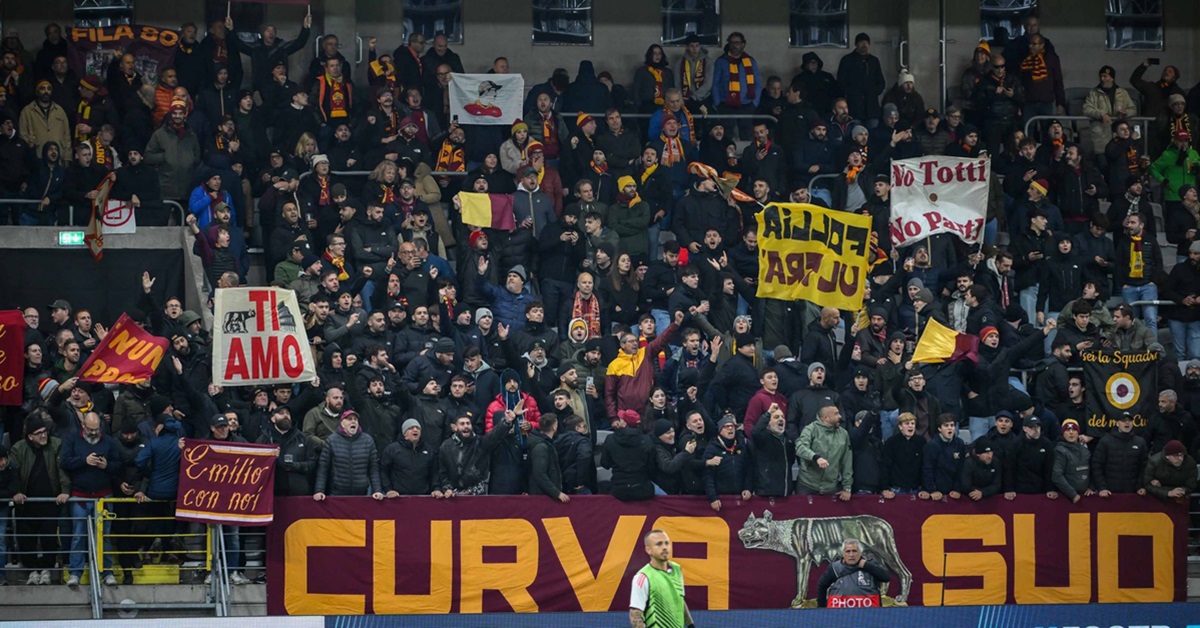
Hospitality is forecast to be the largest revenue stream at €71.6 million, covering premium areas, corporate services and high-value commercial packages. Ticket sales are projected to contribute €47.8 million, meaning hospitality and ticketing together will account for nearly €120 million—more than three-quarters of the stadium's total projected first-year revenue. The new 60,605-capacity ground, with a South Curva holding nearly 23,000 seats, will allow Roma to directly control commercial assets that currently remain beyond their reach while playing at the shared Stadio Olimpico.
The stadium is designed to produce revenue across the full calendar through naming rights (€7.8 million), sponsorships (€7.8 million), food and beverage (€4.5 million), non-match events (€4.4 million), museum and stadium tours (€3.5 million), parking (€3.1 million), business events (€2.1 million) and merchandising (approximately €1 million). This multifunctional model mirrors the financial structure of Europe's elite clubs, enabling Roma to supplement television rights with substantial matchday, hospitality and commercial revenue. The shift represents a structural increase in earnings and competitive capacity over the long term.
The first stone is scheduled for spring 2027, marking the start of construction. For the Friedkin Group ownership, the €154 million figure underlines their ambition: Pietralata will serve not merely as Roma's home but as a principal economic engine and a tool to narrow the financial gap with Europe's leading clubs.
Story Coverage2 sources on this story
AS Roma's new Pietralata stadium will generate €154 million in net revenue during its first year of operation in 2031, according to financial projections approved following clearance from the Conferenza dei Servizi. The 60,605-capacity ground, featuring a South Curva with nearly 23,000 seats, represents a fundamental shift in the club's economic model. For the Friedkin Group, the project serves as both a symbolic home and a principal economic engine designed to narrow the financial gap with Europe's leading clubs. Construction is scheduled to begin in spring 2027.
The revenue model is heavily weighted toward hospitality and ticketing. Hospitality is forecast as the largest revenue stream at €71.6 million, covering premium areas, corporate services and high-value commercial packages, while ticket sales are projected to contribute €47.8 million. Together, these two categories will account for nearly three-quarters of total first-year revenue. The remaining €36.2 million comes from naming rights (€7.8 million), sponsorships (€7.8 million), food and beverage (€4.5 million), non-match events (€4.4 million), museum and stadium tours (€3.5 million), parking (€3.1 million), business events (€2.1 million) and merchandising (approximately €1 million).
This multifunctional design positions Pietralata as a year-round revenue generator rather than a match-day facility alone, enabling Roma to directly control commercial assets currently beyond their reach while sharing the Stadio Olimpico. The diversified income structure mirrors the financial model of Europe's elite clubs, structurally increasing Roma's earnings and competitive capacity.
AI synthesis of all sources below — always check the originals.
Testo Originale / Source Text
“Il nuovo stadio di Pietralata non cambierà soltanto la casa della Roma: può cambiare soprattutto la sua dimensione economica. È questo uno degli aspetti più significativi del progetto approvato dopo il via libera della Conferenza dei Servizi. Secondo le previsioni contenute nel Piano…”
Read the full article in Italian at GialloRossi.net.