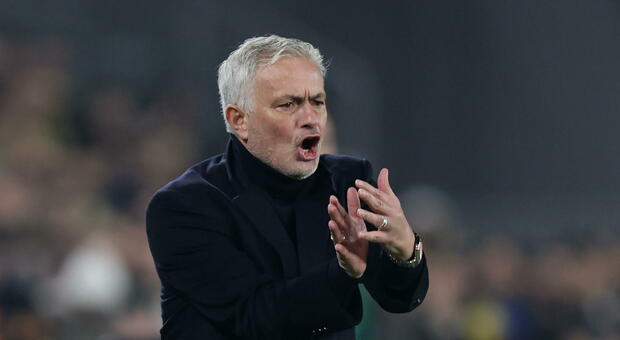
José Mourinho has opened up about his relationship with Roma and the painful end to his time at the club, describing a connection with the fanbase that transcended football. Speaking to Corriere dello Sport, Mourinho recalled his arrival in the capital with characteristic candour. "The fans were special with me," he said. "I always tell the story that on the day I arrived in Rome and got off the plane, there were a thousand people. But I had done nothing. I hadn't won anything for these people and I asked myself why. This had a big impact. I didn't deserve it, but this is Rome—you understand it afterwards."
Mourinho emphasised the depth of his commitment to the club and its supporters. "A crazy connection was created," he explained. "They understood that I never worried about my image, my relationships with the ownership, Italian football politics, or the press. For me, only Roma and the Romanisti existed. I fought for them, I gave everything of myself and in return I received their love." He highlighted Roma's Europa Conference League victory as a watershed moment, noting that for a club without frequent major honours, such a triumph carried immense significance. "The fans showed a love that touches you for the club. I made mistakes, I lost matches, I got things wrong sometimes, but they always understood that I was fighting for them."
The narrative darkened when Mourinho addressed the Europa League final in Budapest and its aftermath. "The end of the Europa League was the highest point of this connection with the fans. Obviously it ended badly for me," he said. "I paid for the relationship with the ownership, which had a profile and approach different from mine over what happened in the final. I was already dead, and after a few months I left." The interview underscores how deeply the wound of his departure runs, and his place in supporters' affection remains secure, though Mourinho himself resists comparisons with Roma's legendary figures.
Story Coverage3 sources on this story
José Mourinho has reflected on his emotional return to the Olimpico as Real Madrid manager, describing a bond with Roma supporters that transcended football. All three outlets confirm that Mourinho will face his former club on 14 October, and that he arrived in Rome to a thousand fans waiting at the airport despite having achieved nothing yet for the club. He emphasized that Roma's supporters "understood that I never worried about my image" or club politics, instead fighting solely for them and the Romanisti. "I gave everything of myself and in return I received their love," Mourinho told Corriere dello Sport.
The outlets agree that winning the UEFA Europa Conference League represented the peak of Mourinho's connection with Roma fans, describing it as a major achievement for a club unaccustomed to frequent honours. However, they differ on how prominently to frame the aftermath. Il Messaggero emphasizes that Mourinho "paid for the relationship with the ownership, which had a profile and approach different from mine over what happened in the final," and notes he was "already dead" before departing. Forza Roma provides additional context, stating that UEFA disciplinary action followed the Budapest final, and that Mourinho believes he should "only pay for" insults in the garage, not other incidents involving Taylor at the airport.
On his upcoming return, Mourinho struck a cautious tone across all coverage. He acknowledged the emotional challenge of facing Roma as an opponent while emphasizing his professional duty to Real Madrid. "I must defend myself from emotions," he stated, adding that this reunion differs from his earlier returns to Inter or Chelsea. Mourinho resisted comparisons to Francesco Totti, calling him "untouchable," while maintaining that Roma "will always be my home."
AI synthesis of all sources below — always check the originals.
Testo Originale / Source Text
“Ci sono addii che il tempo non riesce a cancellare. Quello tra José Mourinho e la Roma è uno di questi. Lo Special One torna a parlare del legame con la Capitale, delle emozioni vissute sulla panchina giallorossa e delle ferite lasciate dalla finale di Budapest. Lo fa a cuore aperto, senza…”
Read the full article in Italian at Il Messaggero – Roma.