Squad NewsAnalysis● AI
10h agoNine matches in 28 days: Roma face the real test of squad depth
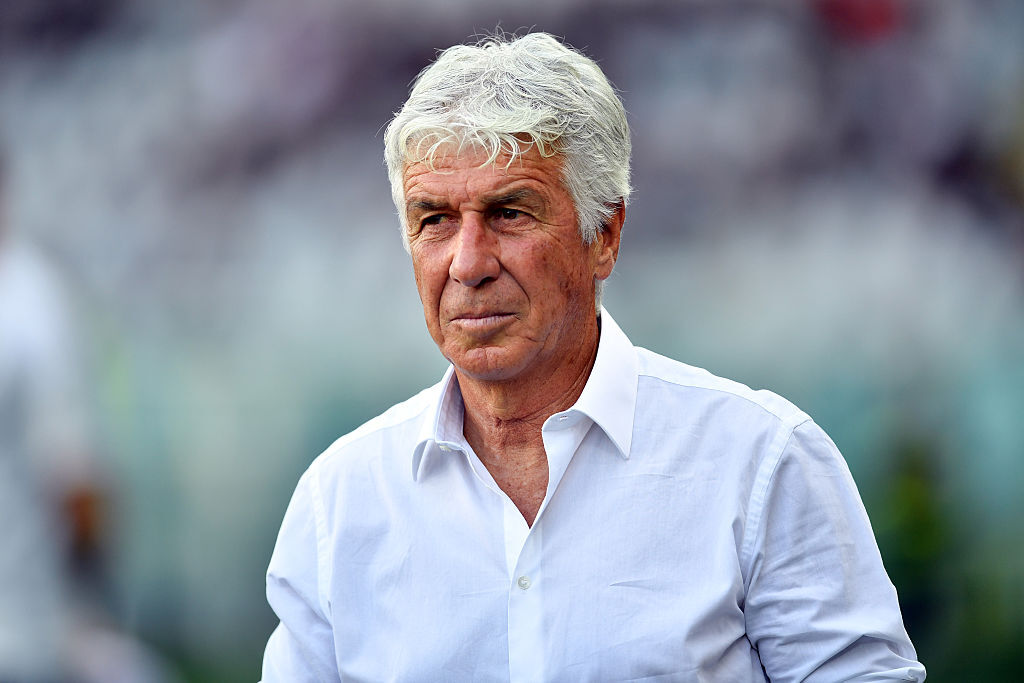
Roma enter a critical period from 11 October that will reveal whether their depth can match their starting XI. Between the away trip to Como and the home fixture against Sassuolo on 7 November, the Giallorossi will play nine matches in 28 days—six in Serie A and three in the UEFA Champions League—at an average of one game every three days. Head coach Gian Piero Gasperini has built his team around a recognisable core of first-choice players, but that group will no longer be enough. The test will determine whether those who have played less can step up without a noticeable drop in performance.
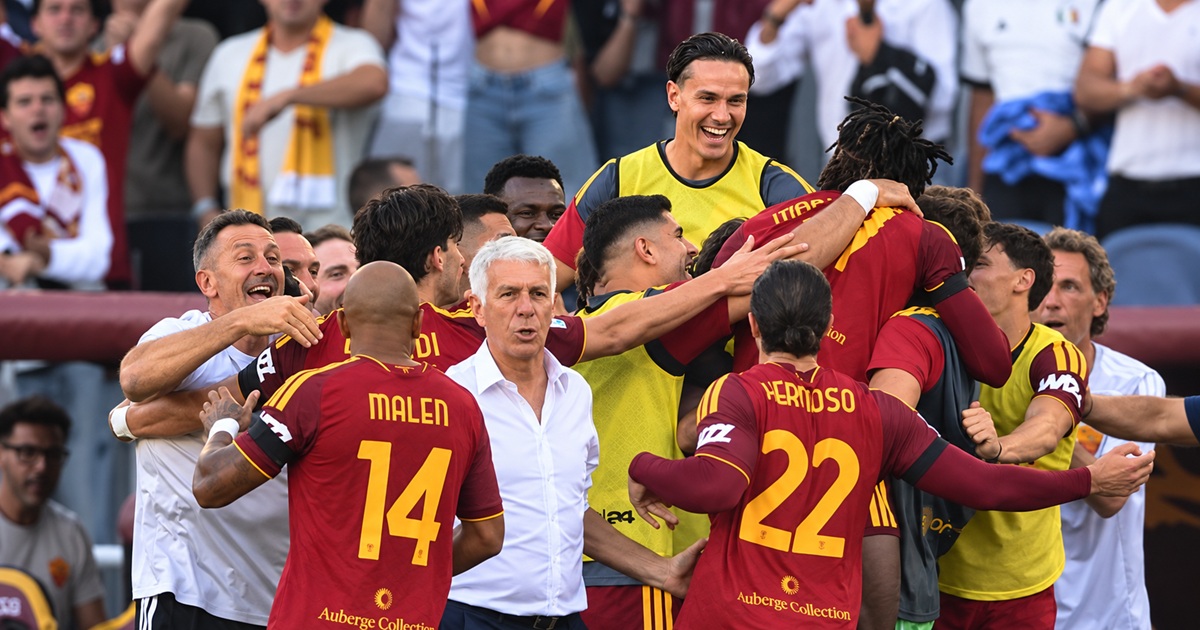
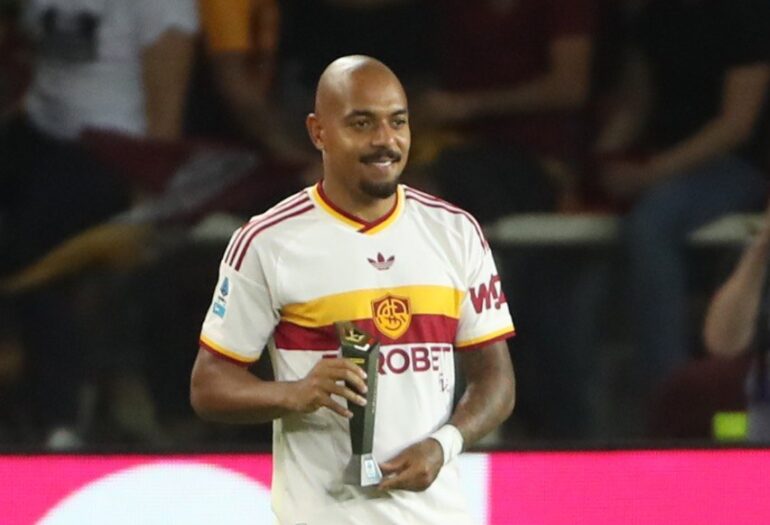
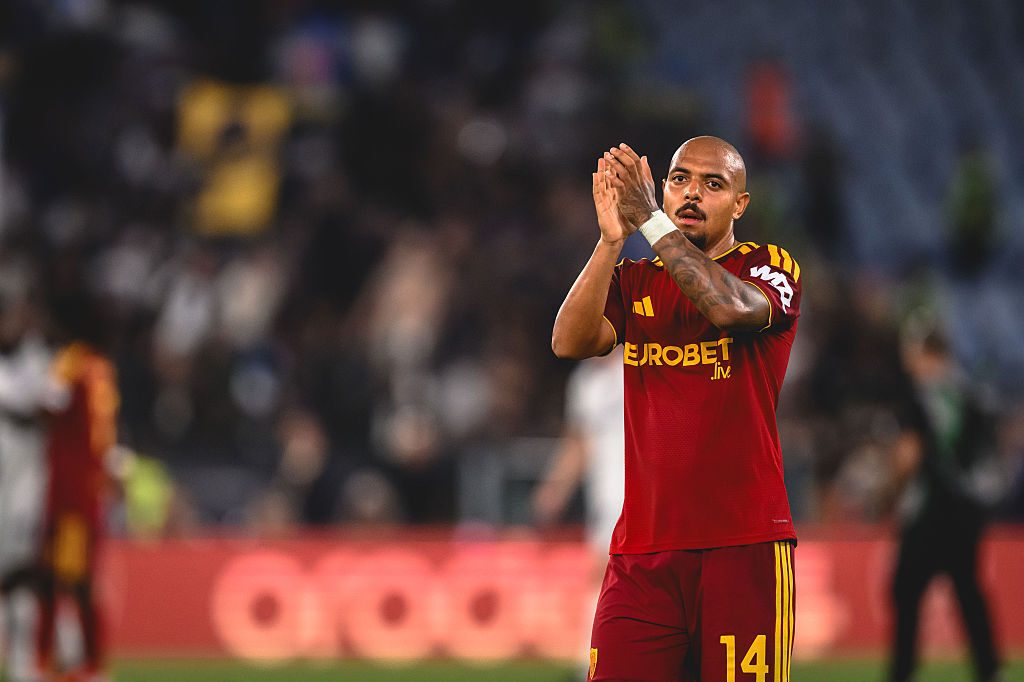
Through the first five matchdays, the numbers reveal Gasperini's structural priorities. Goalkeeper Mile Svilar has not missed a minute in the league; Bryan Cristante has played 424 minutes, Mario Hermoso 419, Paulo Dybala 407 and Gianluca Mancini 392. Eight players have exceeded 300 minutes, forming the nucleus around which the team has built its current lead. Donyell Malen has scored six goals in five league matches and become the technical reference point of the attack, while Dybala has contributed four assists. Cristante, Hermoso and Mancini have provided near-absolute continuity and reliability. The midfield partnership of Cristante and Manu Koné has been the reference pairing, with different but complementary characteristics, while Marten de Roon and Niccolò Pisilli have seen far less action. De Roon knows Gasperini's football intimately and can guarantee balance and reading of play, but has been used mainly in brief spells; Pisilli brings dynamism and runs forward but must prove he can perform when the opponent's quality rises. Matches against Real Madrid, Napoli and Manchester United will inevitably create minutes for both.
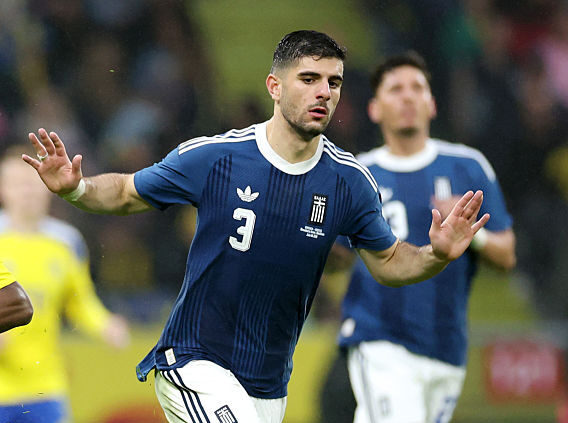
The defence faces similar pressures. Mancini and Hermoso have been almost untouchable, but the competition behind them is abundant: Leonardo Balerdi, Daniele Ghilardi and Konstantinos Koulierakis must transform from alternatives into genuinely interchangeable options. Ghilardi has already accumulated 142 league minutes, while Koulierakis has been used far less despite the summer investment. In Gasperini's system, where defenders are asked to accept constant individual duels and play far from their goal, changing a centre-back is never a neutral substitution—the player entering must have fully absorbed the line's timing, aggression and mechanics. On the flanks, rotations will be equally unavoidable. Wesley has been heavily used, young Emanuele Lulli has been a major surprise, and Nahuel Molina has collected 216 Serie A minutes with two starts. Devyne Rensch has found the least space but has always proved reliable. In attack, Matías Soulé has already broken down the distinction between starter and reserve with 279 minutes, three starts, two goals and an assist. Rodrigo Mora has 171 league minutes and a goal across two starts but has seen his space diminish. Santiago Castro has played little and never started in the league, while Lorenzo Pellegrini arrives after a long absence from official matches and must regain rhythm and standing.
The fixture list permits no simple calculations. Como, Real Madrid, Genoa, Slovan Bratislava, Napoli, Cagliari, Udinese, Manchester United and Sassuolo in less than a month means there are no real matches in which to field eleven reserves and rest everyone else. Gasperini must continually shuffle the cards, retaining six or seven men from the core structure each time and progressively introducing others. Roma has shown a competitive first eleven so far; in the next four weeks it must prove it has something more—sixteen or eighteen players capable of sustaining the same level. If the goal is to stay in the highest reaches of Serie A while being competitive in the Champions League, the quality of alternatives becomes almost as important as that of the starters.