← All stories
Italy set for Euro 2032 with Roma stadium project advancing
·30 May 2026·109d ago

Italy set for Euro 2032 with Roma stadium project advancing

Source: Forza Roma

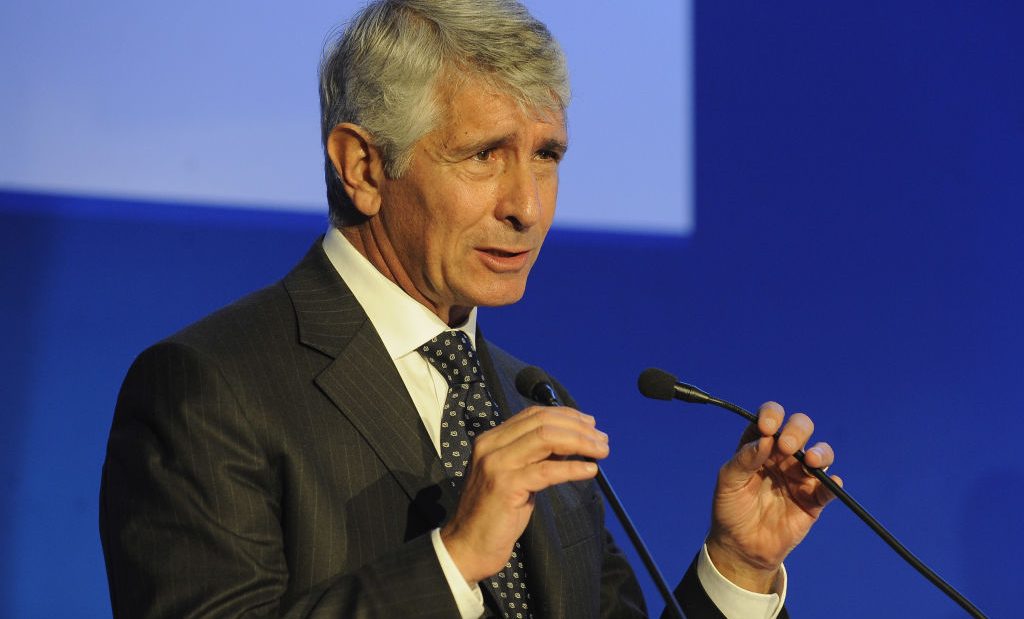
Italy's Sports Minister Andrea Abodi confirmed on 30 May that preparations for Euro 2032 are progressing, with the first official acts signed for AS Roma's new stadium in the Pietralata area of Rome. Abodi told Sky TG24 that Rome, Milan, and Turin have already secured their tournament status, with two additional venues still to be confirmed. He stated: "L'ingegner Sessa is working at full pace, the first acts for Roma's stadium have been signed, you will see an acceleration in the coming months that will allow us to say we have succeeded once again, but it will not be an event. It will be the stability of a stadium model that will give Italy greater competitiveness at least in this area."

The minister emphasised that the new stadium represents a long-term infrastructure investment rather than a temporary project. He also mentioned that a reserve stadium may be added for the tournament, citing ongoing silent development at a venue in Venice. Abodi's comments underline the Italian Football Federation's commitment to hosting Euro 2032 infrastructure standards, following the success of Milan-Cortina's Olympic preparations.

● AI Generated Summary

This summary was generated by an AI model. Always read the source for complete and accurate information.

Testo Originale / Source Text

Le parole del ministro: "Vedrete un'accelerazione nei prossimi mesi che consentirà di dire che ce l'abbiamo fatta ancora una volta" Redazione 30 maggio - 18:31 Abodi: "A Torino episodi di delinquenza e criminalità, non fanno parte dello sport" Andrea Abodi, ministro per lo sport e i giovani, ha…

Read the full article in Italian at Forza Roma.

Read original on Forza Roma

More Club News

Roma outspent Inter by €25m under Friedkin ownership
AnalysisClub News AI
1h ago

Roma outspent Inter by €25m under Friedkin ownership

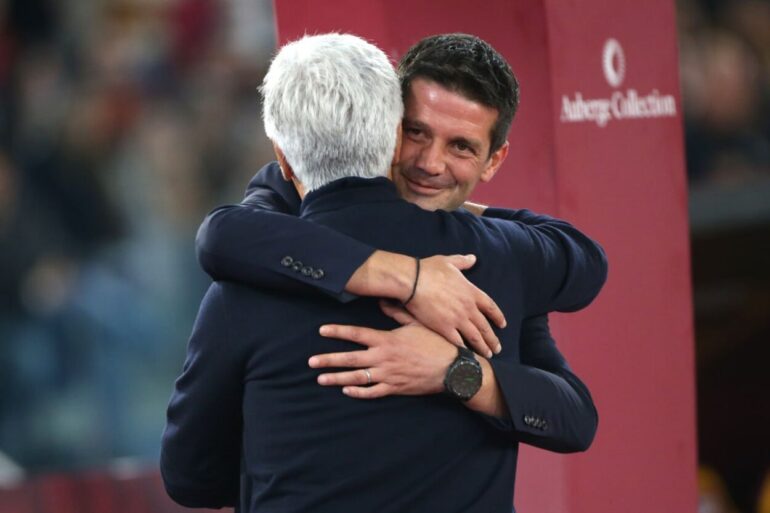
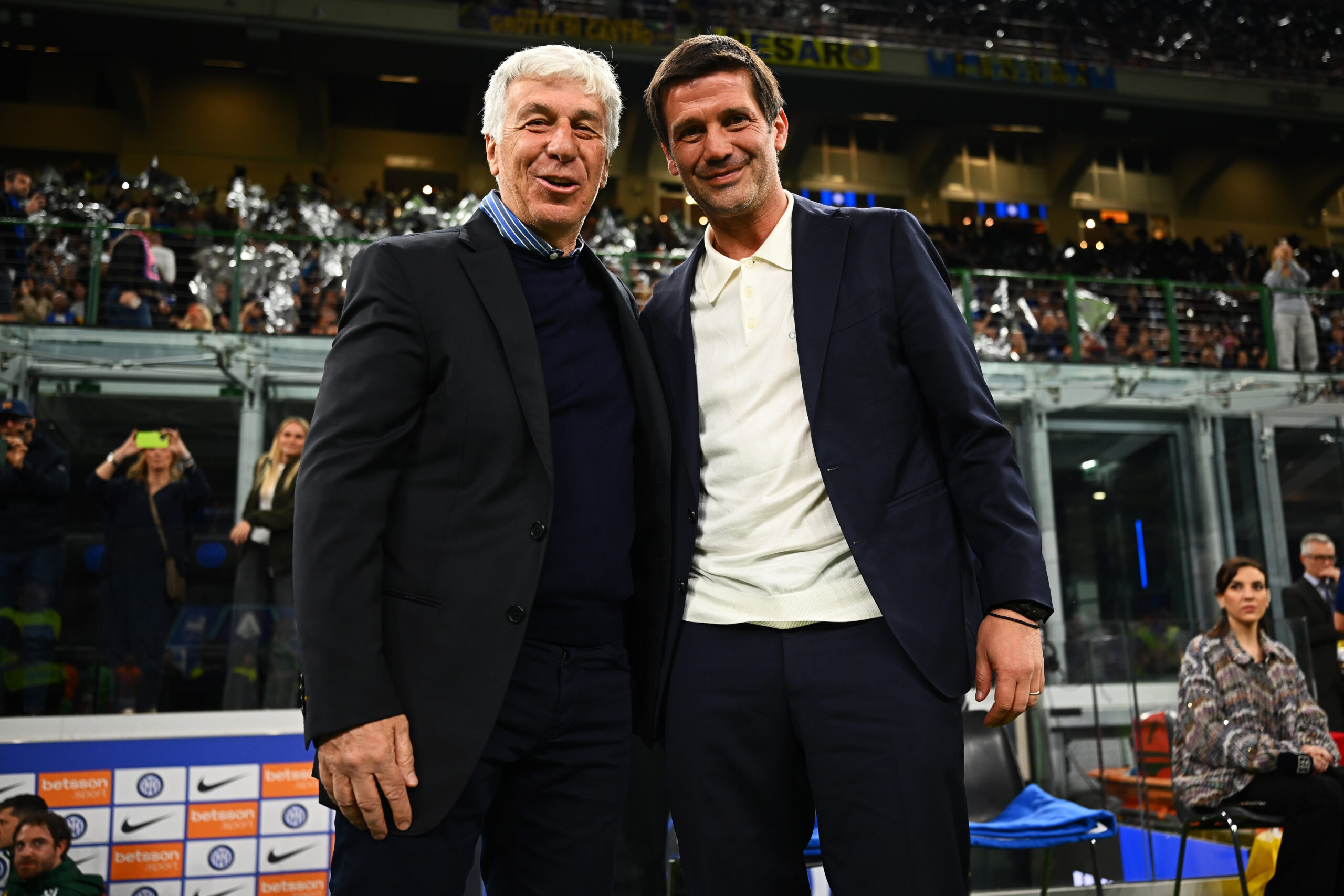
Roma and Inter will meet on the pitch this Saturday as the Serie A leaders, but behind the fixture lies a stark contrast in how their respective owners build and sustain their projects. Gian Piero Gasperini's Roma have invested €211 million in player acquisitions since his arrival, while Cristian Chivu's Inter have spent €186 million—a gap of €25 million that illustrates the Friedkin Group's commitment to backing the sporting project despite UEFA financial fair play constraints. By contrast, Inter's ownership under Oaktree has prioritised economic and financial stability. The €211 million Roma figure spans the campaigns that began with Gasperini's appointment. In the 2025–26 season, Roma spent €86.5 million, with Wesley arriving for €25 million and Neil El Aynaoui for €23 million, alongside Robinio Vaz (€20 million), Jan Ziółkowski (€6.5 million), and several expensive loans including Donyell Malen, Bailey, Evan Ferguson, Daniele Ghilardi and Zaragoza. The acceleration came this summer: the Friedkin Group approved €124.5 million for 2026–27, comprising Santiago Castro (€35 million), Rodrigo Mora (€25 million), Malen's permanent transfer (€25 million), Konstantinos Koulierakis (€16.5 million), Nahuel Molina (€13 million), Ghilardi's purchase (€8 million), Marten de Roon (€1 million) and Leonardo Balerdi's loan (€1 million). The Porto agreement for Mora includes a further €25 million for 2027 or 50 per cent of any future sale. The contrast deepens when examining the wider impact on club finances. Since summer 2025, Roma's squad costs—including salaries, depreciation and loan fees—have risen by approximately €15 million, while Inter's have fallen by approximately €10 million. The Friedkin Group has covered losses through fresh capital injections, accepting red accounts to sustain sporting growth; Roma has not closed a profitable financial year since their 2020 arrival, with 2025–26 expected to end in loss. Oaktree delivered a €35 million profit in its first Inter season and is preparing to close the next year in the black. Both approaches remain valid: Chivu inherited a structured squad already competing at the highest level, while Gasperini was tasked with rebuilding after Roma's seven-year absence from the Champions League. Saturday's direct clash will test both strategies on the pitch. One club has chosen acceleration to close the gap; the other is maintaining competitiveness while reducing the squad's economic burden.
GialloRossi.netRead original →
Friedkin's €211m spending outpaces Inter's €186m in two years as Roma and Inter prepare for direct clash
Club NewsAnalysis AI
1h ago

Friedkin's €211m spending outpaces Inter's €186m in two years as Roma and Inter prepare for direct clash

As Roma and Inter prepare to meet this week, the two clubs' transfer philosophies have diverged sharply over the past two years. The Friedkin Group has committed €211m in investment across two seasons under Gian Piero Gasperini, while Inter's owners Oaktree have adopted a more cautious strategy, spending €186m under Cristian Chivu with an emphasis on youth development and financial stability. In Gasperini's first season at Roma (2025-26), the club invested €86.5m across the transfer window and January. Summer arrivals included Wesley (€25m) and El Aynaoui (€23m), followed by Robinio Vaz (€20m) in January and a costly loan deal for Donyell Malen (€2m). The squad was further bolstered by acquisitions and loans involving Ziolkowski, Bailey, Ferguson, Ghilardi and Zaragoza. The current 2026-27 campaign has seen Roma spend €124.5m, with major moves including the permanent purchase of Malen (€25m), Santiago Castro (€35m), Rodrigo Mora (€25m), Konstantinos Koulierakis (€16.5m), Nahuel Molina (€13m) and Marten de Roon (€1m), plus the redemption of Ghilardi (€8m) and the loan of Leonardo Balerdi (€1m). Over two years, these investments have increased the squad's salary and amortisation costs by approximately €15m. Inter's approach under Oaktree reflects cost containment and team development. During Chivu's first season they acquired younger talent including Luis Henrique (€24.5m), Bonny (€23m), Diouf (€20m) and Sucic (€15.5m), plus Akanji on loan (€1m), totalling €84m. The 2026-27 window has seen just €102m committed to signings, bringing cumulative Chivu-era spending to €186m. Unlike Roma, Inter has cut squad costs by approximately €10m over the same period, inheriting a competitive core that required less overhaul.

Roma's €211m spending outpaces Inter's €186m under respective new coaches
Transfer NewsClub News AI
1h ago

Roma's €211m spending outpaces Inter's €186m under respective new coaches

AS Roma have spent €211 million on transfers since Gian Piero Gasperini's arrival in summer 2025, significantly more than Inter's €186 million under Cristian Chivu over the same period. The spending patterns reflect differing philosophies between owner Friedkin, who readily invests in quality acquisitions, and Inter's ownership Oaktree, which has prioritised young prospects and financial stability. Gasperini received immediate backing from Friedkin in summer 2025 with two signings over €20 million each: Wesley for €25 million and Neil El Aynaoui for €23 million. That window also brought Ziolkowski for €6.5 million and loans including Bailey (€3m), Evan Ferguson (€3m), Ghilardi (€2m) and Zaragoza (€2m), totalling €86.5 million. The 2026-27 season saw heavier investment: Donyell Malen's loan made permanent for €25 million, Santiago Castro for €35 million, Rodrigo Mora for €25 million, Konstantinos Koulierakis for €16.5 million, and Nahuel Molina for €13 million. Ghilardi was bought out for €8 million, while Leonardo Balerdi joined on loan for €1 million. Marten de Roon arrived for €1 million, bringing the current season's total to €124.5 million. Inter's approach under Chivu has centred on younger profiles. Summer 2025 signings were Luis Henrique (€24.5 million), Bonny (€23 million), Diouf (€20 million) and Sucie (€15.5 million), plus Akanji on loan (€1 million) — €84 million total. This season added Provedel for €3 million, reaching €102 million. The comparison shows stark strategic differences: Roma's squad cost rose by approximately €15 million through wages, amortisation and loan fees since summer 2025, while Inter's squad cost fell by roughly €10 million over the same span, reflecting their contrasting investment and salary philosophies.

Feedback