
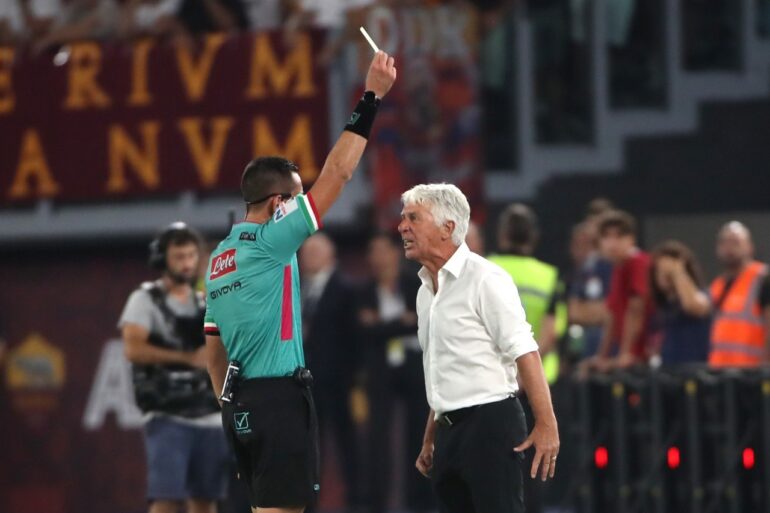
Gasperini and Chivu reshape tactical dogma: five substitutions define modern football
Roma's match against Inter on Saturday revealed a fundamental shift in how top coaches approach modern football. Gian Piero Gasperini made five substitutions in the fixture, a decision that exemplifies the sport's rapid tactical evolution. He replaced all three of his starting central defenders, a midfielder and an outside player, while keeping his attack unchanged throughout the ninety minutes. From the opposing dugout, Cristian Chivu made similarly bold choices, withdrawing a centre-back, a midfielder and a full-back before introducing his attacking changes only at the ninety-first minute. The match demonstrated how thoroughly the old certainties of football have eroded. For decades, an unwritten rule held that central defenders should never leave the pitch except through injury or at full-time. Chivu broke another long-standing taboo by making two substitutions immediately before a Roma corner kick and a set-piece—a move previously considered reckless. Both managers' decisions underscore how the sport now operates at such intensity that the five-substitution rule, introduced along with five-second throw-in limits and the ability to roll the ball out from the goalkeeper inside the penalty area, has become essential to surviving and controlling a match. Gasperini's own evolution on this matter is particularly telling. In previous comments on new regulations, the Grigliasco-born coach expressed reservations: "I don't like the five solutions, but I use them all. Teams don't drop off anymore; with all these changes nowadays it looks like basketball. Matches were prettier before, but these are the rules and I use all the slots." Today, he has abandoned those doubts entirely, converting the five-substitution rule into one of his primary weapons for reading and transforming matches in real time. The tactical performance against Inter confirms how thoroughly he has moved past those old reservations.