← All stories
Gasperini and the outsiders Roma learns to love
·30 August 2026·2h ago

Gasperini and the outsiders Roma learns to love

Source: TeleRadioStereo

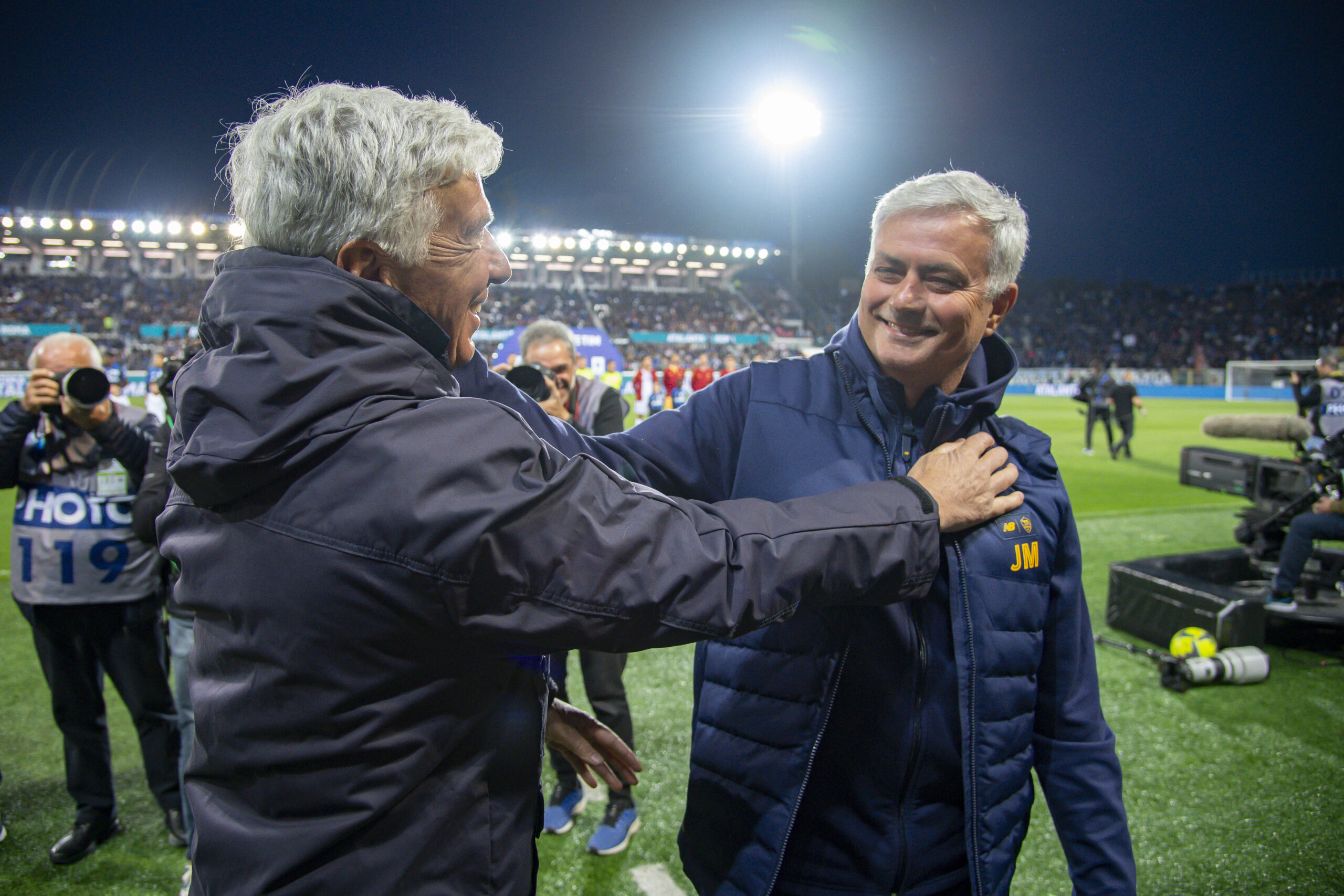
Head coach Gian Piero Gasperini belongs to a particular category of figures in Roma's history: outsiders who have left a profound mark on the club not by assimilating into its culture, but by demanding that the environment adapt to them instead. Gasperini arrived at Roma not to win immediate popularity or become part of the vast web of relationships that surrounds Trigoria, but with a method, a work ethic, and the conviction that the pitch alone should determine hierarchies.

Roma has long struggled with a paradox: creating comfort that can become dangerous for professionals. Trigoria has historically been a place where talent can flourish—few cities offer comparable football emotion—yet where it is equally easy to settle into comfortable patterns of relationships, habits, friendships and informal power centres. A coach from outside who arrives and breaks that dynamic inevitably becomes uncomfortable because he either ignores the unwritten rules or consciously chooses to disregard them. He cares only about the pitch, measures work output, and demands answers. This inevitably shatters existing equilibriums.

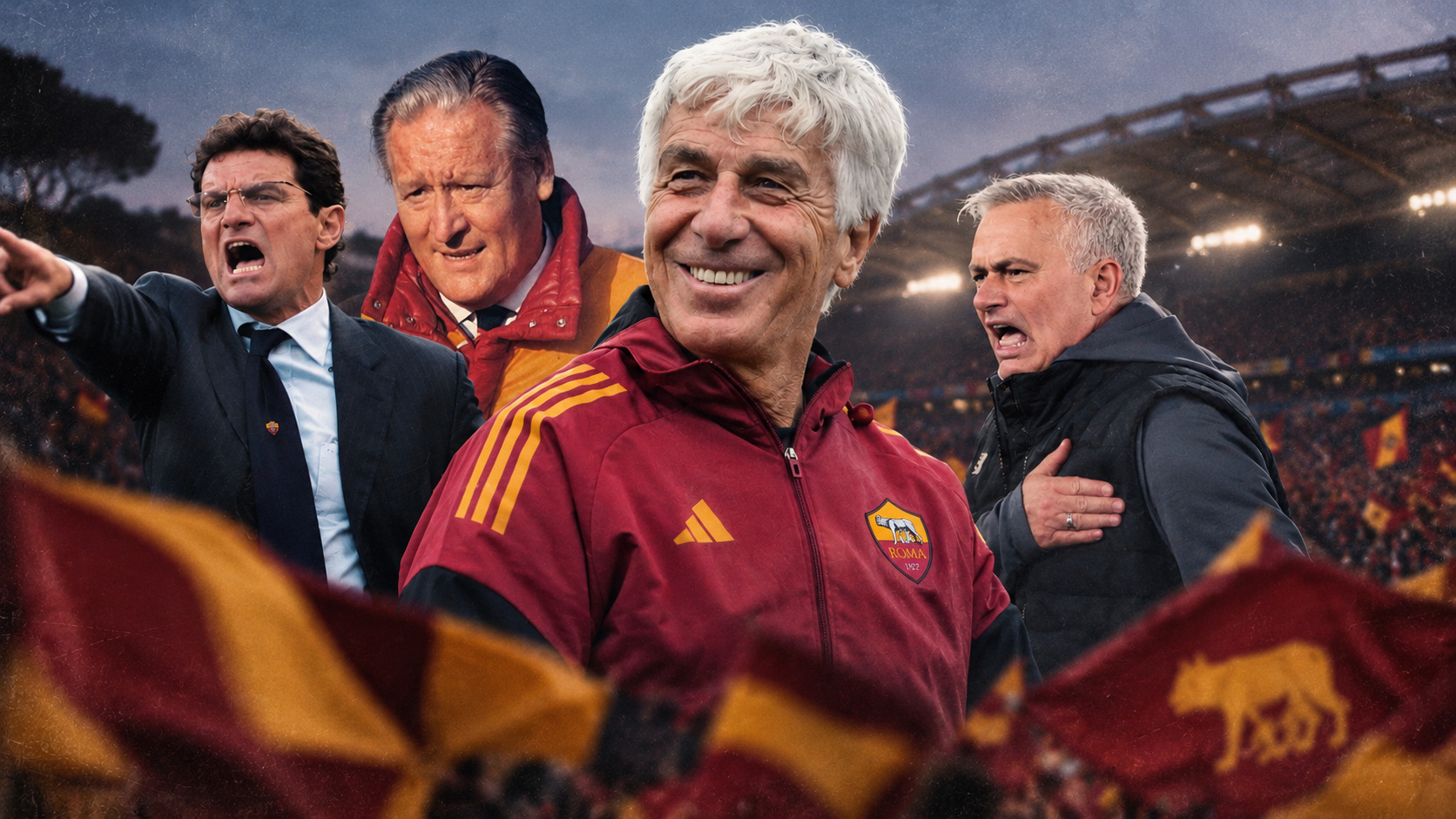
Roma's history is full of figures who arrived in the capital without initially possessing its codes but became integral to its identity: Liedholm and Falcao came from worlds far removed from Rome; Sebino Nela and Roberto Pruzzo were outsiders who, over time, became more Roman than many Romans; Ottavio Bianchi was divisive precisely because he was impervious to many environmental dynamics; Fabio Capello imposed discipline and demands as instruments of governance; Gabriel Batistuta brought an almost obsessive hunger to win immediately; Luciano Spalletti introduced new ideas and a different conception of football; and José Mourinho, with completely different characteristics, built a fierce mentality around competition. The great local talents—Di Bartolomei, Bruno Conti, Giannini, Francesco Totti, Daniele De Rossi—gave their best when working alongside someone strong enough not to indulge them.

Gasperini is probably one of the least "Roman" coaches Roma could have chosen, and that is precisely why he may be the right one. He does not seek constant compromise or seem interested in building an accommodating persona. He demands intensity, physical availability, tactical application, willingness to accept competition and flexible hierarchies. A truly meritocratic culture inevitably generates more resistance than is commonly acknowledged, because almost everyone favours meritocracy until it questions their own position. Gasperini must remain Gasperini—maintaining the distance that allows him to observe Trigoria without being completely seduced by it, insisting that work comes before relationships, performance before reputation, and collective objective before individual need to feel important.

● AI Generated Summary

This summary was generated by an AI model. Always read the source for complete and accurate information.

Testo Originale / Source Text

C’è un equivoco che accompagna la Roma praticamente da sempre: confondere l’amore per la città con la capacità di costruire qualcosa per la sua squadra. Come se per comprendere Trigoria fosse necessario assorbirne abitudini, linguaggio, rituali e persino difetti. La storia, curiosamente, racconta…

Read the full article in Italian at TeleRadioStereo.
Read original on TeleRadioStereo

More Analysis

De Roon divides Roma: weighing old grudges against new football needs
Transfer NewsSquad News AI
9h ago

De Roon divides Roma: weighing old grudges against new football needs

Marten De Roon's arrival at Roma has split the fanbase, forcing the club to reconcile the midfielder's divisive history with Feyenoord against his immediate tactical value under Gian Piero Gasperini. De Roon spent nearly a decade at Atalanta as one of Gasperini's key tactical extensions on the pitch, and the coach now believes his understanding of the system can accelerate Roma's project far more effectively than a standard experience-based signing. The tension centres on whether a player's past can be separated from his present utility. De Roon faced sustained criticism from Roma supporters for years—social-media provocations, his Feyenoord links, and three encounters across Conference League and Europa League clashes that Roma won. Yet the article argues that once De Roon wears the giallorossi shirt, the emotional lens must shift to pure sporting analysis. The core question is not whether supporters will love him, but whether he can make Roma closer to winning. Unlike younger signings who require months to absorb tactical instruction, De Roon arrives knowing Gasperini's demands: when to break the line, when to win second balls, when to cover full-back advances, and when to deploy intelligent fouls. This immediate integration is presented as far more valuable than the patrimonial loss of Neil El Aynaoui, who—despite his growth trajectory and athletic margin—never became truly indispensable within Gasperini's system. El Aynaoui's performances were often positive but rarely decisive, and he struggled to integrate into the manager's mechanics. However, the analysis flags a critical shortfall: if the market stops here, Roma's midfield will comprise only four players—Manu Koné, Bryan Cristante, Niccolò Pisilli, and De Roon. For a season exceeding fifty matches, this roster carries dangerous thinness. A single week juggling Champions League and league fixtures could leave the squad without credible alternatives, especially with a 35-year-old requiring careful energy management. The article lays out how each midfielder offers complementary profiles: Koné breaking lines and changing tempo; Cristante providing positional balance and build-up; Pisilli adding running and freshness; De Roon delivering defensive reading, leadership, and tactical knowledge. The article contends that Richard Rios, recently mentioned in transfer talk, could be the missing piece—not to replace De Roon but to build genuine depth. Rios would restore to the midfield the dribbling and physical dominance currently unique to Koné, allowing Gasperini to craft matchday pairings by opposition need: Koné-Rios for athletic dominance, Cristante-De Roon for control and position, or Pisilli alongside a veteran for pressure and runs. That would be the first time Roma truly had five midfielders for rotation rather than five names on paper. De Roon may resolve the present, but Rios is named as the necessary bridge to a midfield genuinely equipped for a title push.

TeleRadioStereoRead original →
Gasperini returns to Lecce, a ground marked by silence, frustration and revival
Match ReportAnalysis AI
11h ago

Gasperini returns to Lecce, a ground marked by silence, frustration and revival

Gian Piero Gasperini will return to Lecce on 31 August having twice visited the Via del Mare in circumstances that left deep frustration. On both occasions—after Roma victories at Lecce and later at the Olimpico—Gasperini skipped the post-match press conferences, his silence masking mounting tensions over the club's transfer activity and squad injuries. The January 2025 visit came during a transfer window when Roma desperately sought a striker; Evan Ferguson scored in a 2–0 win but suffered an ankle injury weeks later, while Artem Dovbyk also scored before injury forced him to undergo surgery. Gasperini's frustration centred on sporting director Massara, whom he felt was moving too slowly in the market, particularly in securing a left winger with a right foot—a need that persists to this day. The tensions that erupted at Lecce deepened significantly after Roma travelled to Turin. Claudio Ranieri was appointed to stabilize the situation, but the arrival of another authority figure widened the rift rather than healed it. Massara and then Ranieri departed; Gasperini ultimately secured the head coach position. The squad then delivered an exceptional run of form that culminated in third place and qualification for the Champions League. The manager's mood has improved substantially since those turbulent January weeks. According to reporting by Alessandro Angeloni in Il Messaggero, Gasperini overturned tables at the Via del Mare in his rage and blamed Massara for the slow pace of business. Donyell Malen's arrival in the winter window proved transformative, helping to spark the turnaround. Roma arrive in Lecce having rebuilt their trajectory and secured European football at the continent's highest level.

Luiz Henrique: who is the Brazilian winger Roma are considering as deadline nears?
Transfer NewsSquad News AI
1d ago

Luiz Henrique: who is the Brazilian winger Roma are considering as deadline nears?

Roma have turned their attention to Luiz Henrique, a 25-year-old Brazilian winger at Zenit, in the final days of the transfer window. The move marks a significant shift in the club's strategy, as Henrique's profile differs markedly from the left-footed right-winger Roma pursued throughout the summer. A product of Fluminense, Henrique spent two seasons at Betis in Spain before his breakthrough came in 2024 when he returned to Brazil to join Botafogo. There he enjoyed his best season, winning both the Brasileirão and Copa Libertadores while establishing himself as a key player for the side. His performances earned him recognition as South America's best player of the year and a Brazil call-up. In January 2025, Zenit signed him for approximately €35 million. Henrique is a powerful, quick winger who excels in one-on-one duels and can create numerical superiority during attacking moves. His natural position is on the right flank, where he likes to receive the ball wide, take on defenders and cut onto his left foot. At Zenit, he has also played on the left with good results, though this represents an adaptation from his strongest attributes. However, he is not a prolific goalscorer and has never reached the 15–20 goals-per-season returns expected of a top attacking talent. While Gasperini's preference for powerful, physically imposing wingers may suit Henrique's profile, there remains uncertainty about where exactly he would be deployed in Roma's system. The left-winger position he could occupy would see him, as a left-footer, tend more naturally towards the byline or combination play rather than cutting inside toward goal—a quality Roma had prioritized in other targets. The pursuit of Henrique may reflect a market compromise rather than a strategic shift. With the transfer window closing, Roma must balance technical characteristics against availability, cost and feasible terms. If their ideal profile remains unattainable at desired costs, the club must broaden its options.

GialloRossi.netRead original →
Feedback