← All stories
Early second-half vulnerability: Roma concede three goals at restart
·24 September 2026·3h ago

Early second-half vulnerability: Roma concede three goals at restart

Source: Forza Roma

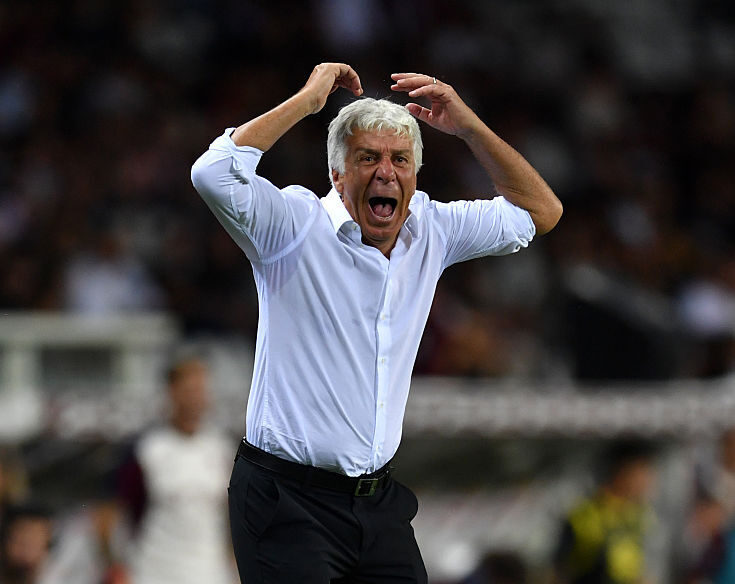
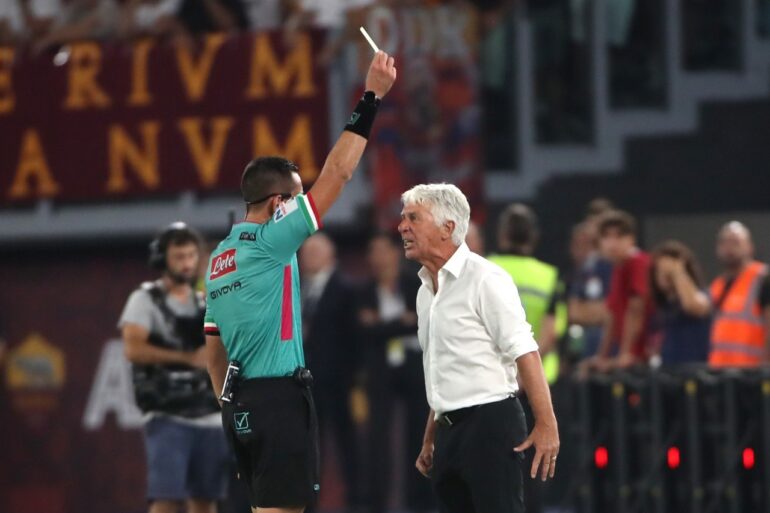
Roma have developed a pattern of conceding goals in the opening stages of the second half, with Lautaro Martinez's strike for Inter marking the third such incident this season. Of the four goals Roma have conceded in the 2026-27 season, three arrived in the earliest moments after half-time: Ederson, Brown and Martinez. Head coach Gasperini does not view this as coincidence, according to Il Tempo.

The issue is not new. Roma carried the habit from the 2025-26 season, when twelve goals were conceded in the first eleven minutes of second halves—two scored by Simeone in 2025 and ten more in 2026. Across last season's Serie A campaign, nine of those twelve came from the first thirty-one goals conceded overall, representing roughly one-third of Roma's defensive total. The vulnerability in the early stages of the restart represents a tactical concern that requires attention.

● AI Generated Summary

This summary was generated by an AI model. Always read the source for complete and accurate information.

Story Coverage2 sources on this story

Roma have developed an alarming pattern of conceding goals in the opening minutes of the second half. Three of their four goals conceded this season have arrived in the early stages after half-time, with Lautaro Martinez's recent strike marking the third such incident. Both outlets agree this represents a tactical vulnerability that demands urgent correction from head coach Gian Piero Gasperini.

The problem is far from new. Roma carried this weakness from last season, when they conceded twelve goals in the first eleven minutes of second halves. The outlets differ slightly on the timeline: Roma News reports one goal in 2025 and eleven in 2026, while Forza Roma cites two goals by Simeone in 2025 and ten more in 2026. Across Serie A last season alone, nine of Roma's thirty-one total goals conceded came during that opening window of the second half—roughly one-third of their defensive failures. Gasperini does not view this pattern as coincidence, and according to Il Tempo, the technical staff will work to ensure maximum concentration when players return from the dressing room to prevent a repeat of this structural weakness.

AI synthesis of all sources below — always check the originals.

Testo Originale / Source Text

Lautaro Martinez costituisce il terzo indizio. E tre indizi fanno una prova. All'inizio del secondo tempo, la Roma sembra faticare a riattaccare la spina e presta il fianco agli avversari. Dei quattro gol concessi in questa stagione, infatti, tre sono arrivati nei primissimi istanti della ripresa:…

Read the full article in Italian at Forza Roma.

Read original on Forza Roma

More Match Report

Gasperini and Chivu reshape tactical dogma: five substitutions define modern football
Match ReportAnalysis AI
19h ago

Gasperini and Chivu reshape tactical dogma: five substitutions define modern football

Roma's match against Inter on Saturday revealed a fundamental shift in how top coaches approach modern football. Gian Piero Gasperini made five substitutions in the fixture, a decision that exemplifies the sport's rapid tactical evolution. He replaced all three of his starting central defenders, a midfielder and an outside player, while keeping his attack unchanged throughout the ninety minutes. From the opposing dugout, Cristian Chivu made similarly bold choices, withdrawing a centre-back, a midfielder and a full-back before introducing his attacking changes only at the ninety-first minute. The match demonstrated how thoroughly the old certainties of football have eroded. For decades, an unwritten rule held that central defenders should never leave the pitch except through injury or at full-time. Chivu broke another long-standing taboo by making two substitutions immediately before a Roma corner kick and a set-piece—a move previously considered reckless. Both managers' decisions underscore how the sport now operates at such intensity that the five-substitution rule, introduced along with five-second throw-in limits and the ability to roll the ball out from the goalkeeper inside the penalty area, has become essential to surviving and controlling a match. Gasperini's own evolution on this matter is particularly telling. In previous comments on new regulations, the Grigliasco-born coach expressed reservations: "I don't like the five solutions, but I use them all. Teams don't drop off anymore; with all these changes nowadays it looks like basketball. Matches were prettier before, but these are the rules and I use all the slots." Today, he has abandoned those doubts entirely, converting the five-substitution rule into one of his primary weapons for reading and transforming matches in real time. The tactical performance against Inter confirms how thoroughly he has moved past those old reservations.
Balerdi transforms from youthful promise to Roma's defensive cornerstone with commanding Inter display
Match ReportSquad News AI
1d ago

Balerdi transforms from youthful promise to Roma's defensive cornerstone with commanding Inter display

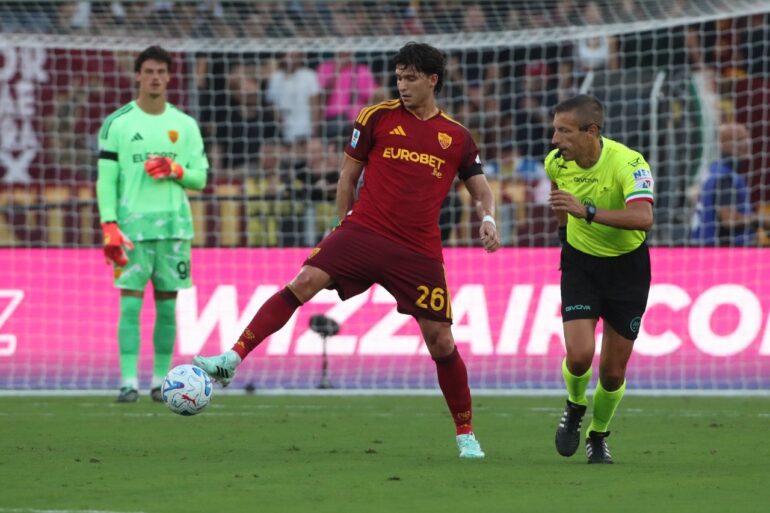
Leonardo Balerdi has become an indispensable leader of Roma's defence, translating a temperament forged in adversity into commanding performances at the highest level. Against Inter, he delivered a masterclass in defending, dominating his duel with Thuram through the match before asking to be substituted due to cramps. His performance—6 recoveries, 4 duels won out of 5, and 2 contrasts won out of 3—underscored just how vital he has become to Roma's ability to maintain a high defensive line. Barerdi's journey to this point has been marked by transformation. As a boy at Boca, his first coach nicknamed him "Rummenigge" for his physicality and blonde hair; teammates called him "Balazo" for his explosive temperament. He initially wanted to become a midfielder, inspired by Boca greats like Gago, Riquelme and Palermo, but his fierce character pushed him towards the centre of defence. At Marseille, however, that same intensity created friction. Manager De Zerbi publicly rebuked him after a defeat to Auxerre, saying—as reported by Équipe—"You have humiliated us and you have humiliated the club. You don't have the balls. And you, Leo, have less balls than all of them." At Roma, everything changed. Balerdi has blossomed into a complete defender: elegant, quick, dominant in the air and skilled in playing vertically. The sharpness of his defending against Inter—a spectacular battle of bodies with Thuram across the match—confirmed how much he has matured. When he departed the pitch, Roma's defensive shape immediately dropped deeper, a telling sign of his indispensability to the team's structure.

Balerdi Wins Over Roma: Compared to Rummenigge as a Young Talent, Now Likened to Samuel
Squad NewsMatch Report AI
1d ago

Balerdi Wins Over Roma: Compared to Rummenigge as a Young Talent, Now Likened to Samuel

Leonardo Balerdi has made a powerful impression at Roma in recent appearances, drawing comparisons to figures from his past and present. His first coach at Villa Mercedes, Luis Lucero, once told Balerdi's father: "Your boy is going to be a Rummenigge." The 27-year-old defender shares some surface similarities with the Bayern Munich legend—blonde hair, height, technical ability and a good shot—but his career has taken a different path. After an early spell at Borussia Dortmund, Balerdi eventually settled into defence, though he initially resisted the position. "I didn't want to play in defence, I wanted to be a midfielder," he has said. Now, supporters and media are drawing fresh parallels between Balerdi and Walter Samuel, the former Argentine defender and vice-coach under Scaloni. Both products of Boca Juniors' school, Balerdi has quickly endeared himself to Roma's fanbase through a combination of aggression and composure. His defensive recovery work, distribution, physical presence in challenges and aerial ability have made an immediate impact. A recovery on Simeone in Turin sparked particular debate among local radio audiences. Against Inter, Balerdi delivered a commanding display: six defensive recoveries, four duels won out of five contested and two challenges won out of three. His influence was so significant that Roma deepened their defensive shape when Balerdi, suffering from cramps, requested substitution late in the match.

Feedback