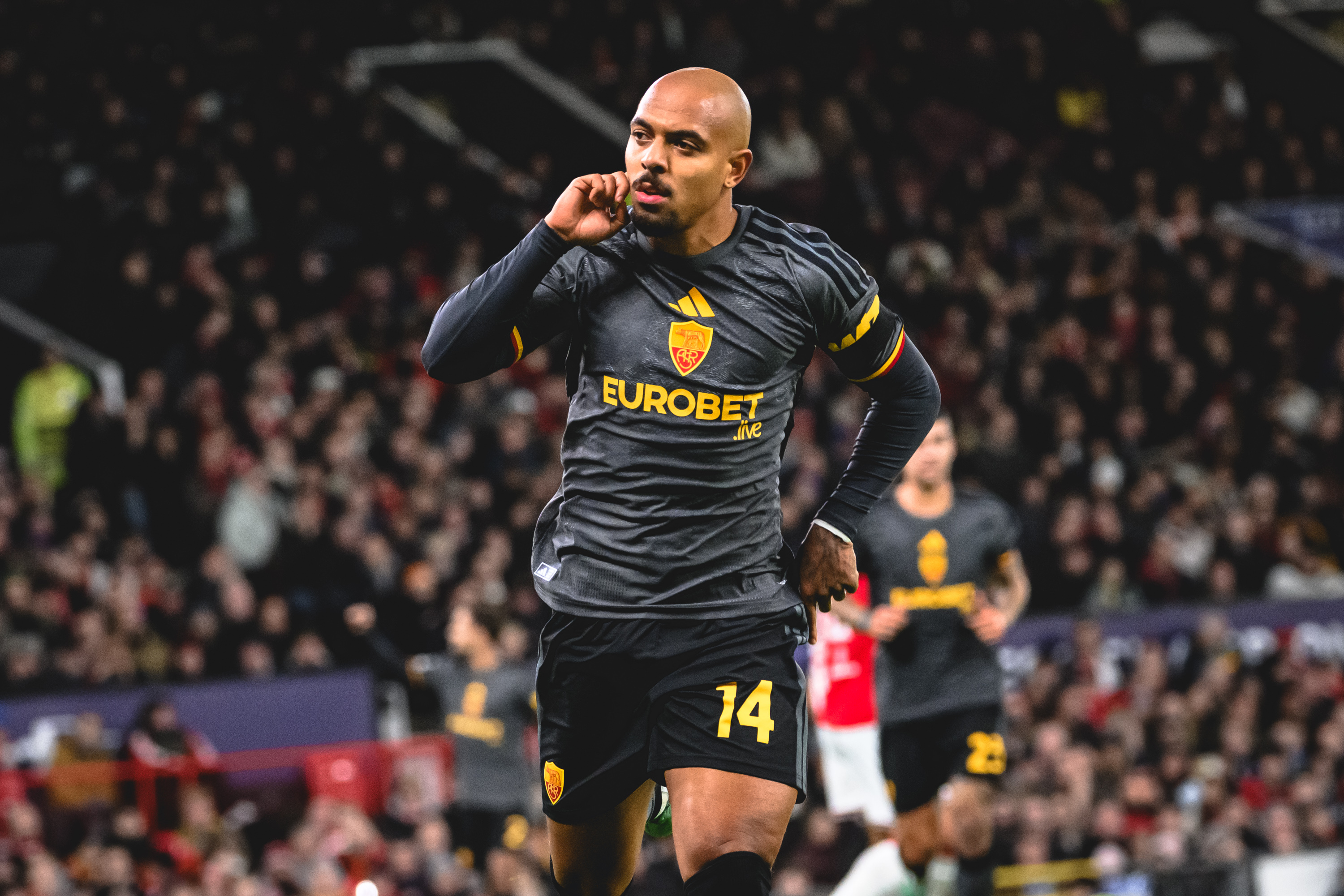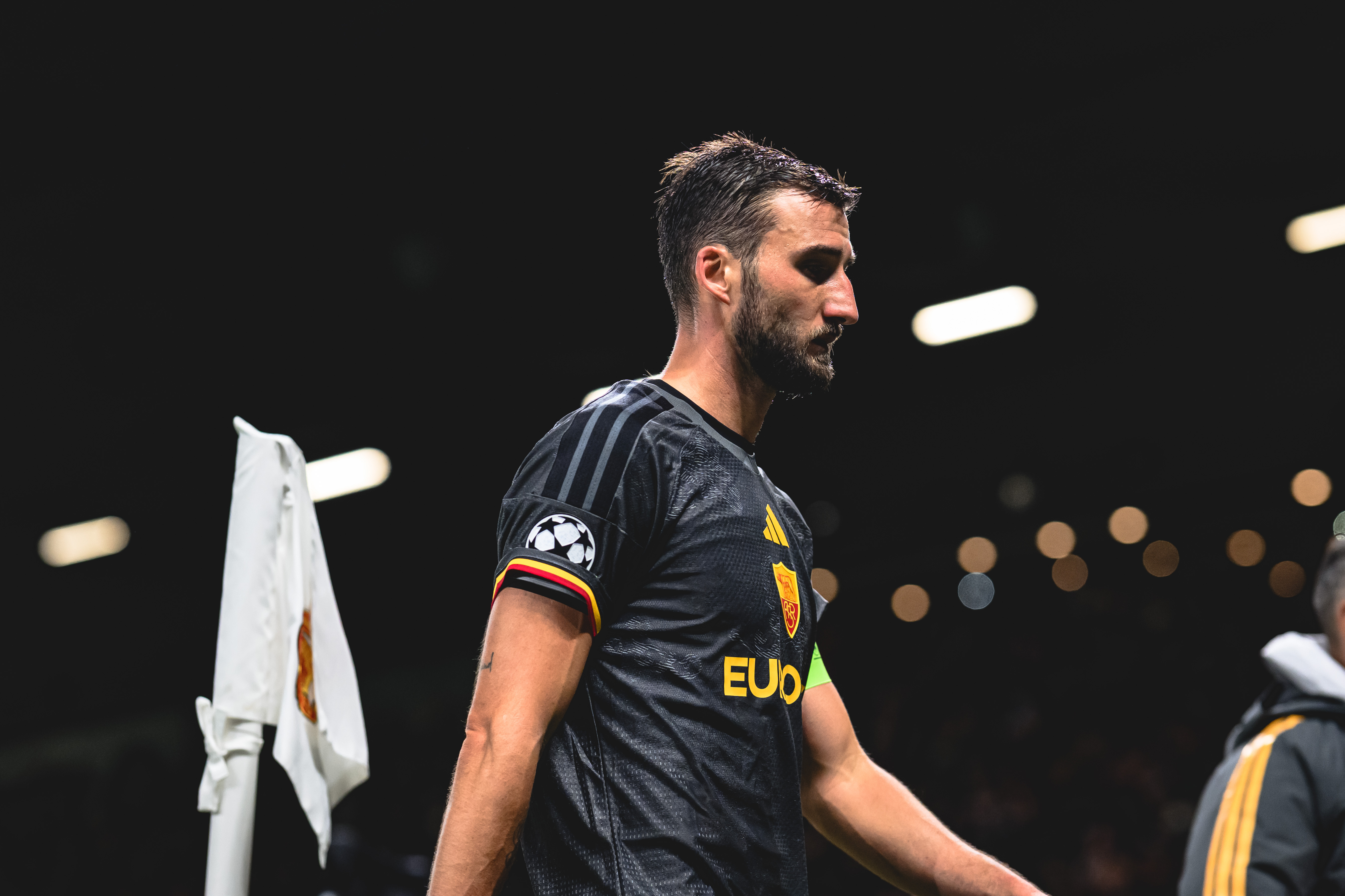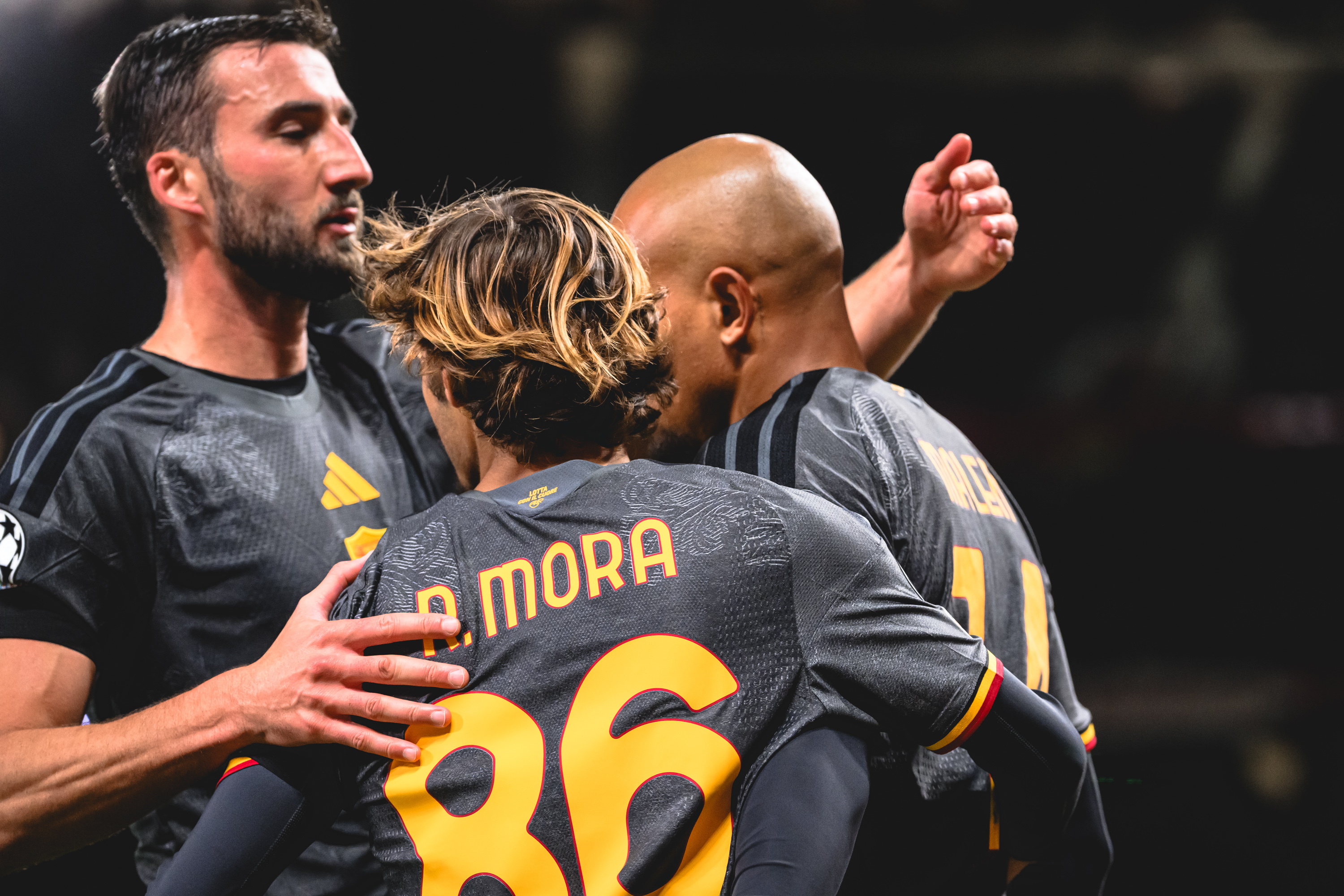
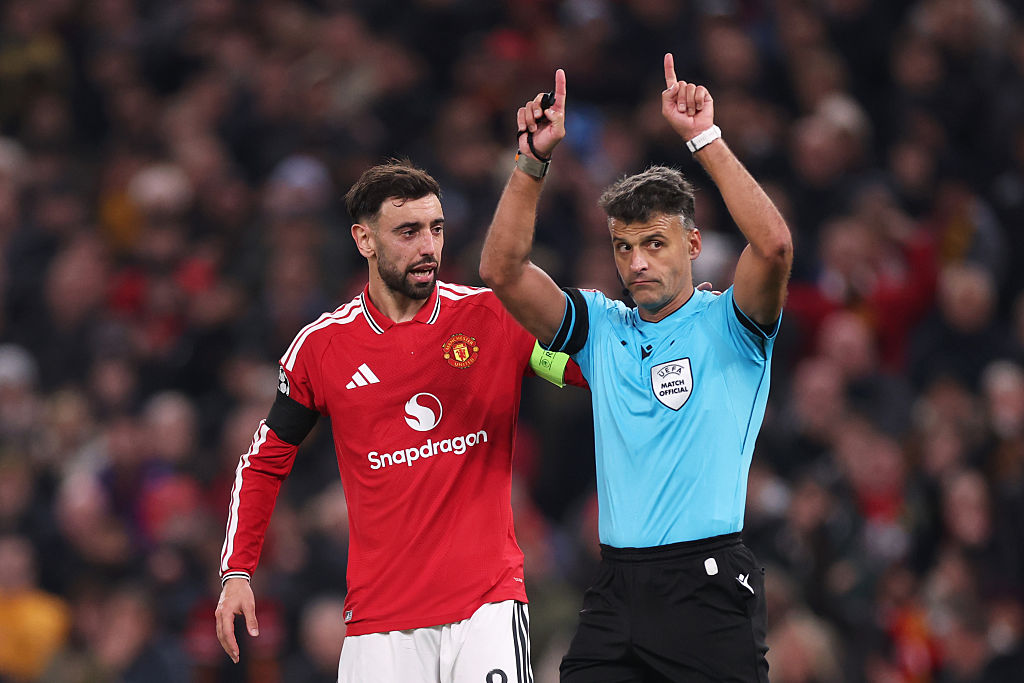
Roma's penalty against Manchester United cost them the match, but Gil Manzano changed the game
Roma led Manchester United at Old Trafford for 45 minutes and played outstandingly, but lost 3-2 after a controversial penalty and a late collapse. The article argues Roma were strong in the first half despite heavy absences, including a third-choice goalkeeper in goal and a squad less deep than United's. Roma scored two goals in that opening period and came close to a third. Gasperini's side then gradually lost the ability to play out from their own half once United raised their pressing, continuing with solutions that had worked in the first half. The article says Roma needed to change approach, accept some long balls, break the rhythm and accept that defending a lead does not mean abandoning their identity. Some reserves, the article states, have not yet shown the same reliability as the starters. It describes this as not a condemnation but an observation that becomes evident when a Champions League match suddenly changes intensity. Gasperini has built a competitive side, but not yet a squad able to maintain the same level through all of its substitutions. The article, however, says this cannot excuse what happened at the 55th minute. It describes the penalty Gil Manzano awarded for contact between Mancini and Cunha as a decision that leaves observers frankly astonished: a very light touch, an attacker who seems to lose his balance alone, and a referee pointing to the spot with a certainty inversely proportional to the foul. According to a rigorous technical assessment, the article says, the penalty should never have existed. On the retake, Cristante entered the area early and intervened on the rebound from Vasquez's save, which made the rule applicable. The article calls this the paradox: VAR intervened over a marginal infringement but did not correct the original decision. After Bruno Fernandes missed and Vasquez saved, the retake led to the goal that changed the match's momentum, and United regained enthusiasm as Old Trafford came alive. The article calls the handling of that episode scandalous, while stressing that this is not a search for an alibi. Gasperini referred to the usual "rigorini" (small penalties) but did not turn the post-match into a trial of the referee. The article suggests this restraint could be read in light of Roma's delicate relationship with UEFA, given the settlement agreement and the economic monitoring to which the club is subject, though it calls this an interpretation rather than a certainty. Such a low institutional profile would be understandable, the article says, but not necessarily agreeable. Roma need no theatrics, yet should not accept every decision passively; defending their case through the appropriate channels should be a normal form of protection. The article concludes that work must now focus on Trigoria and on what the pitch revealed: physical decline, the alternatives on the bench, the inability to manage certain moments, and the two goals conceded late that turned a prestigious win at a historically cursed ground into a painful defeat. Roma must learn not to be pegged back, it says, but must not get used to being refereed this way. These are two distinct problems, and both deserve an answer.