Totti turns 50: time passes, Francesco endures
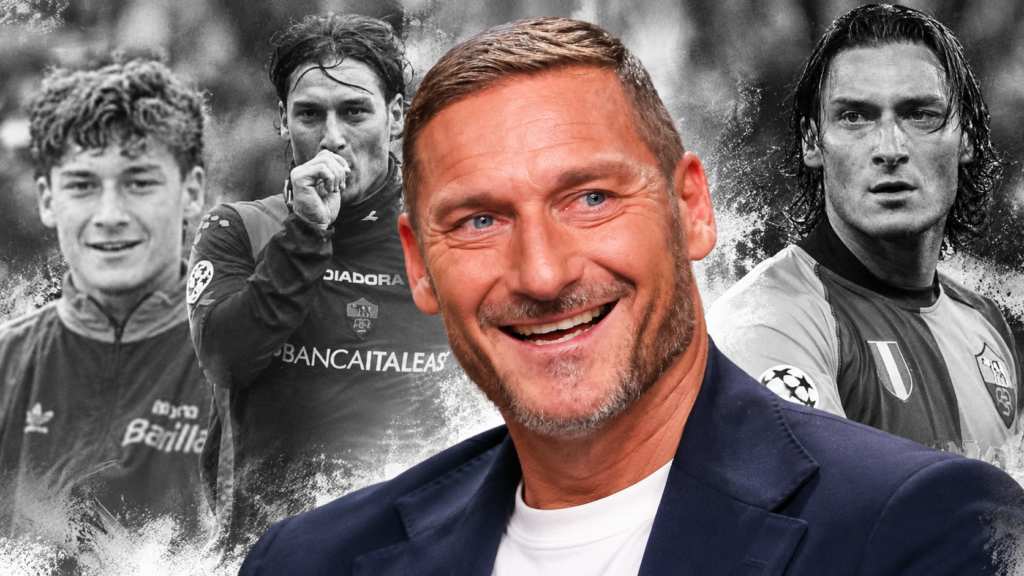
Francesco Totti turns 50 today, marking half a century for a figure who shaped Roma across nearly twenty-five years. For generations of Roma supporters, Totti became a constant calendar: present when fathers took their sons to the stadium, present through school, university, first jobs, marriages and children. Club presidents changed, coaches changed, teammates changed, opponents changed, even the stadium around him shifted—but the number 10 remained. The depth of his connection to Roma transcends statistics, though the record stands: he played his entire career at the club, scored 307 goals total (250 in Serie A), won one Scudetto and two Coppa Italia titles among other honours. More profoundly, Totti represented Roma's greatest player, its captain, a piece of the city itself, and twenty-five years of collective memory. He demonstrated a personal philosophy of the game through technique that others could not see—a soft chip when everyone would have struck hard, a pass when the stadium demanded a shot, an apparently pointless back-heel that opened the field. In an era when football progressively transformed players into commercial entities, Totti made a choice that separated him from most: he stayed, despite knowing he could have won more elsewhere. That decision had a sporting cost but produced something money cannot buy—genuine belonging. The complications of his story matter too. His final years brought tensions that reflected the impossible position of becoming larger than any manager, director or president passing through the club. Yet that fracturing formed part of his narrative as well. Today Roma continues naturally without him; new captains and new champions have arrived, and children now visit the stadium without having seen him play. But a number 10 shirt, a spoon gesture, or a mimicked sip of water from the thumb still speaks instantly across generations—not nostalgia, but collective memory. Roma has fielded extraordinary players before Totti and will have others after. Few, if any, will represent simultaneously the club's finest player, its captain, a piece of its city and a quarter-century of their supporters' lives.