AnalysisSquad News● AI
3h agoMancini's struggles come down to metres, and Gasperini's wing-backs
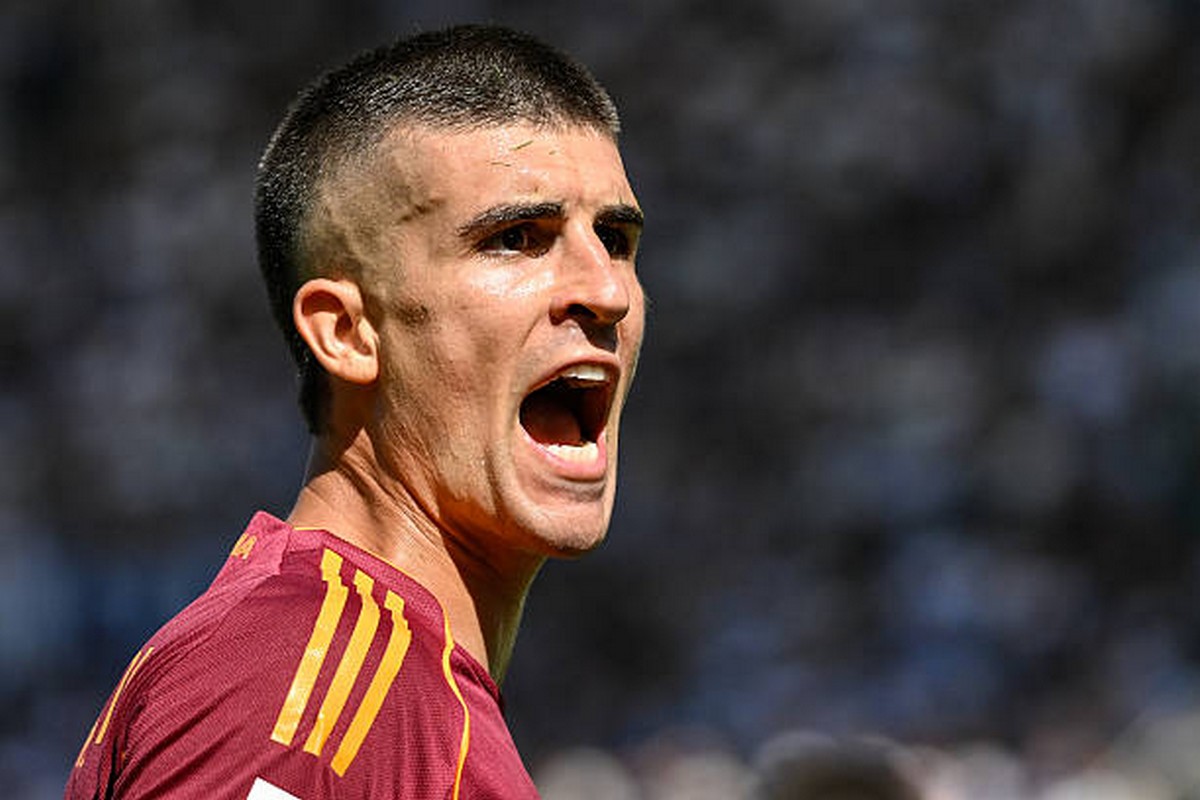
Gian Piero Gasperini's wing-back system is exposing Gianluca Mancini, with the question now being whether the defender is still best used on the right of the back three. The difficulty is most visible after his first action. Mancini still knows when to step out of the line and often gets to the ball before his opponent. However, if a give-and-go or a ball over the top puts the ball behind him, the head start he had turns into a chase. That is where the difference from a few seasons ago shows.
Gasperini asks his wing-backs to cover ground in both phases. When Roma attack, one of the two can overlap the wide player, drawing an opponent with him and opening up a receiving position inside the pitch. When Roma defend, the same player may have to follow his man beyond the halfway line. If the press works, Roma become suffocating and win the ball with many players already forward. If it is beaten, the player who has come out must recover quickly, and the centre-back, often Ndicka, has by then widened to cover his flank. A few metres lost on the right can open a hole in the middle.
Mancini is a defender who performs best when he can choose the moment to intervene. In that position, however, it increasingly happens that the opponent chooses for him. If, to protect himself, he starts to step out a second later or gives up an overlap that he would have had the space to make, he may solve a problem for himself but create one for Roma. The wide defender is left alone, the pressure arrives late, and the whole line must decide whether to follow the step out or drop back.
Ghilardi's rise changes the terms of the discussion. His goal in Udine brought him visibility, but his growth shows most in how he links two consecutive actions. He can accompany the wing-back and, on the rebound, still have the legs to close out. He can follow a tall opponent and recover even when his first challenge misses. He currently has the running that the role requires. Balerdi, for his part, has already earned Gasperini's trust. He has more mature timing when stepping out and can sustain the same type of game, pushing up and holding his ground in duels when there is space behind. With those two, the substitution can be made even during a match without lowering the wing-back or reducing the team's aggression.
For Mancini, the more sensible question is his place in the middle of the three, although removing Ndicka from that spot becomes risky for the stability of the entire back line. It depends on the opponent, on who plays alongside him, and on how much space Roma think they can concede behind them. If the match demands reading the striker's flick-ons, governing teammates' step-outs and defending the box, his experience still carries weight. If instead the centre-back must often slide out to the flank to cover the wing-back, part of the problem returns. It is therefore a possibility to weigh within the rotations, including when the Ivorian rests.
Mancini can still have an important role with fewer starts. Ghilardi can begin to play the matches he has so far watched from the bench. Gasperini would do well to determine how much he can give the first in the middle and how much the second can grow on the right. Balerdi has already given him one more reason to do so now.