Roma's Second-Half Slump: Why the Squad Struggles After the Interval
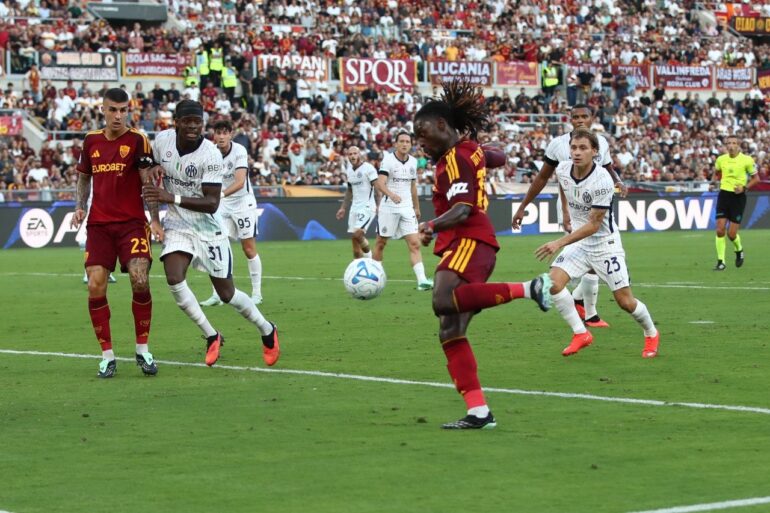
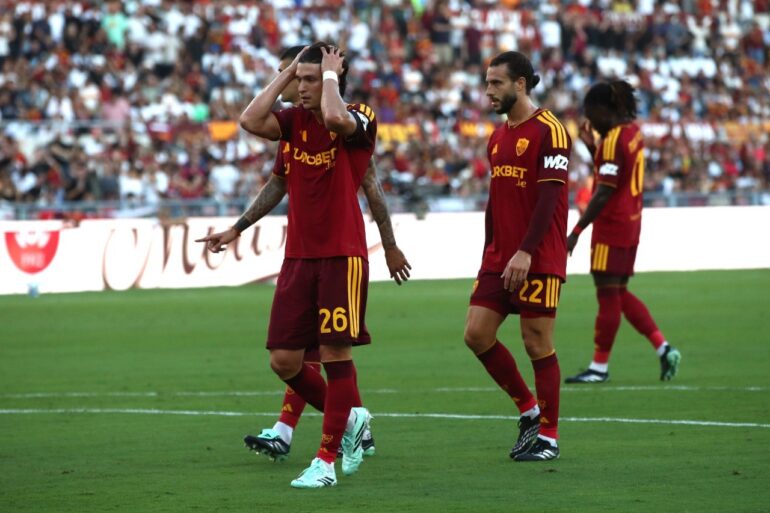
Roma's early-season form has exposed a critical tactical and psychological vulnerability during the transition from the first half into the second half, with over 40% of goals conceded across league and cup matches occurring in the window between the 35th minute of the first half and the 60th minute of the second half. The period from the 46th to 60th minute—the opening quarter-hour after the break—has proven particularly dangerous, registering the highest expected goals against (xGA) in relation to the volume of shots attempted by opponents. This recurring collapse in focus has directly cost Roma results in several matches this season, often manifesting as either a loss of shape during defensive transitions or a breakdown in the cleanness of initial build-up play. Analysis using the Time-Chunk breakdown method reveals a stark performance split across the 90 minutes. The root cause stems from a combination of physical and tactical factors. Upon returning from the dressing room, Roma's pressing efficiency deteriorates dramatically, measured by the PPDA index (Passes Allowed per Defensive Action). In the first thirty minutes, Roma limits opposing passes to just 7.1 before forcing a defensive action; this metric jumps to 13.2 after the interval. This relaxation in pressing intensity allows opposing teams to establish comfortable possession in their own half, find time to scan the field, and exploit the width or penetrate depth with relative ease. Compounding the problem is a neuromuscular reactivation delay: ground duels won drop below 45% in the opening ten minutes of the second half, compared to 62% in the first period. This reactive deficit cascades through the team—fewer second balls captured in the attacking third, delayed one-on-one coverage on the wings, and an inability to break up opponent transitions with preventive fouls. Tactically, opposing coaches use the interval to reorganize their escape routes from Roma's initial press. When Roma fails to return with the same aggressive mentality as the kickoff, opposing teams successfully adjust, leaving Roma exposed in the critical space between the midfield line and the defensive block. Data tracking confirms the profound transformation in the squad's performance between kick-off and the return from the break. Addressing this structural problem requires intervention across multiple levels. On the methodological front, the club must modify warm-up routines and physical and cognitive reactivation protocols during the 15-minute break to eliminate the sluggish "mental cold" in the opening minutes of the second half. Strategically, earlier substitutions around the 50th–55th minute would introduce fresh legs in high-expenditure roles such as the wing-backs and interior midfielders. In terms of in-game reading, the first 300 seconds of the second half should prioritize measured possession management and systematic targeting of set plays, slowing the opponent's rhythm to allow the team to restore proper distances on the pitch.