← All stories
Agresti: Gasperini has reason for frustration despite Roma's dominance
·20 September 2026·45d ago

Agresti: Gasperini has reason for frustration despite Roma's dominance

Source: Roma News

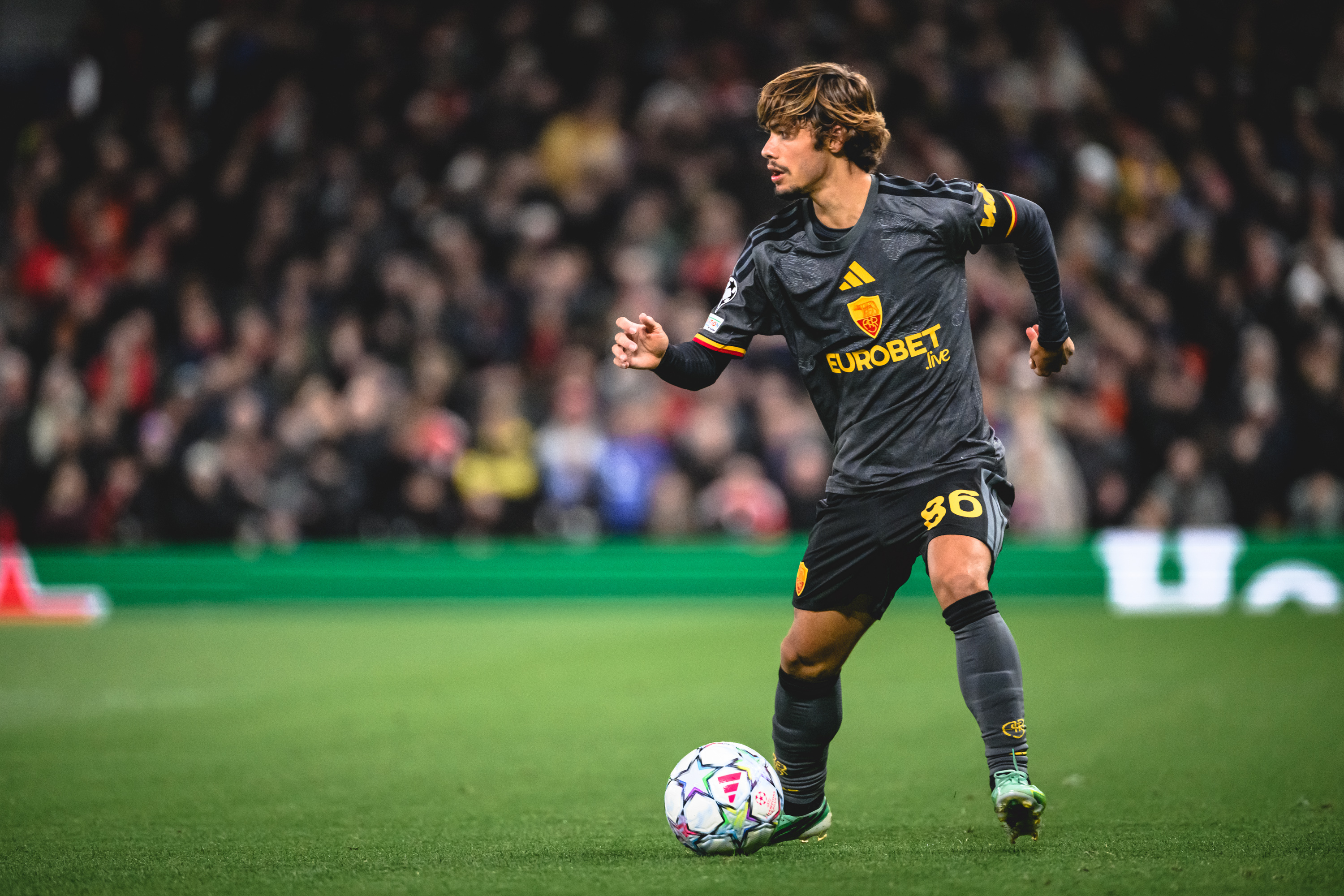
Stefano Agresti has offered his assessment of Roma's performance, saying head coach Gasperini will feel an understandable sense of disappointment despite a commanding display. Speaking on Radio Radio, Agresti praised Roma's football, noting the team played excellently and dominated against Serie A's strongest opponent. However, he identified a critical failing: "If you win 2-0 in the first half, you definitely leave with a bitter taste. Gasperini can be happy because Roma played very well, dominated against the best in Serie A. The Giallorossi were already at their fifth substitution by the end, exhausted, because they spent a lot in the first half. On the goal there was carelessness." Agresti's comments reflect the frustration of conceding late despite Roma's superiority for large stretches of the match.

● AI Generated Summary

This summary was generated by an AI model. Always read the source for complete and accurate information.

Testo Originale / Source Text

“La rubrica di Romanews.eu “Senti chi parla… alle radio” è lo spazio quotidiano in cui potete leggere i commenti sul mondo Roma di speaker e opinionisti protagonisti dell’etere romano raccolti dalla nostra Redazione. Stefano Agresti a Radio Radio: “Se vinci 2-0 al primo tempo ti rimane sicuramente…”

Read the full article in Italian at Roma News.

Read original on Roma News →

More Match Report

Rooney praises Manchester United's second-half display in 3-2 win over Roma
Match Report● AI
1h ago

Rooney praises Manchester United's second-half display in 3-2 win over Roma

Manchester United came back from two goals down at half-time to beat Roma 3-2. Roma's dip in form helped United turn the game around, as did a generous penalty that was ordered to be retaken after the first attempt was missed. United are coached by Carrick. Wayne Rooney, the club's former striker and now a sports pundit for Prime Video, assessed the result after the final whistle. Roma had been in control of the first half, and United's comeback was built on a much stronger second half. Rooney said: "The second half was fantastic, they played aggressively and in the end they deserved to win." He added: "The first half was terrible, but in the second half we saw the passion and the grit we wanted. The crowd got behind the team with real enthusiasm, and you could feel that they could really win the game."

Roma fade after the break at Old Trafford as Mora's half-time exit changes the match
Match ReportAnalysis● AI
1h ago

Roma fade after the break at Old Trafford as Mora's half-time exit changes the match

Roma's momentum collapsed after the interval at Old Trafford, with Manchester United taking control and completing their comeback. Rodrigo Mora and Matías Soulé had lit up the first half for Gasperini's side, with goals, assists and quality play, and United could not contain them as Roma flew. Then, at half-time, something went wrong. When the teams came back out, Roma faded, United took over and the comeback became reality. Mora, the standout performer of the first half, stayed in the dressing room, and Pisilli came on in his place. The article suggests the switch may have been driven by a need to manage the minutes of the young talent, or by a wish to give the midfield more cover. Whatever the reason, Mora's departure changed the balance of the team, and it may have mattered far more than it appeared. The first half belonged to Mora and Soulé, the Portuguese and Argentine pairing whose understanding had been Roma's main threat. The collapse that followed was hard to explain, but the change at half-time offers a possible tactical key, and it leads straight back to Mora.

Roma's penalty against Manchester United cost them the match, but Gil Manzano changed the game
Match ReportEurope● AI
1h ago

Roma's penalty against Manchester United cost them the match, but Gil Manzano changed the game

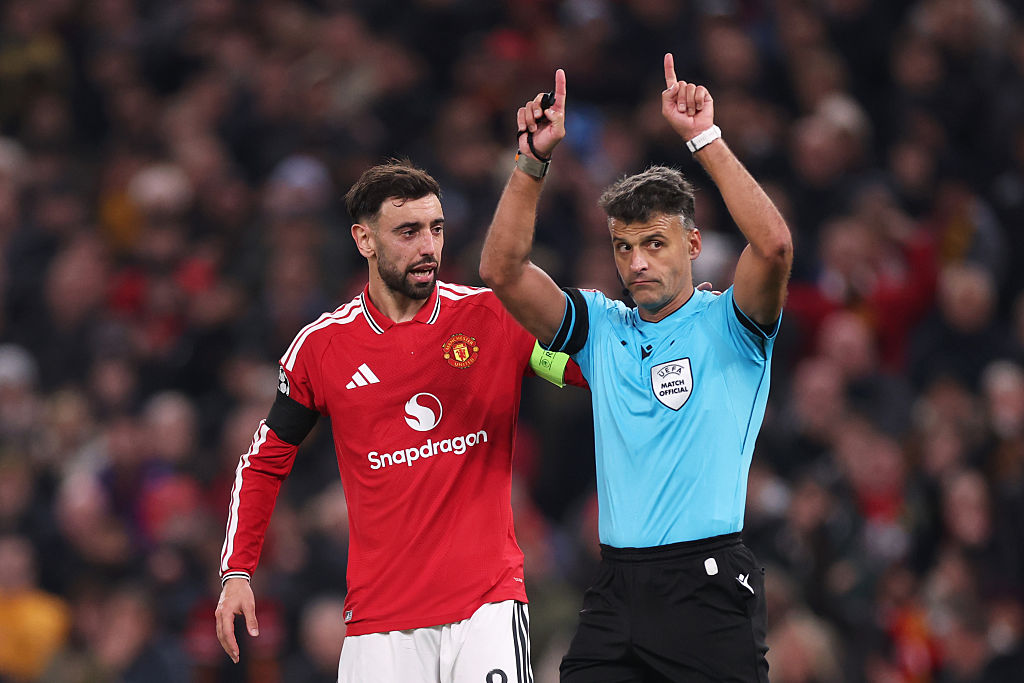
Roma led Manchester United at Old Trafford for 45 minutes and played outstandingly, but lost 3-2 after a controversial penalty and a late collapse. The article argues Roma were strong in the first half despite heavy absences, including a third-choice goalkeeper in goal and a squad less deep than United's. Roma scored two goals in that opening period and came close to a third. Gasperini's side then gradually lost the ability to play out from their own half once United raised their pressing, continuing with solutions that had worked in the first half. The article says Roma needed to change approach, accept some long balls, break the rhythm and accept that defending a lead does not mean abandoning their identity. Some reserves, the article states, have not yet shown the same reliability as the starters. It describes this as not a condemnation but an observation that becomes evident when a Champions League match suddenly changes intensity. Gasperini has built a competitive side, but not yet a squad able to maintain the same level through all of its substitutions. The article, however, says this cannot excuse what happened at the 55th minute. It describes the penalty Gil Manzano awarded for contact between Mancini and Cunha as a decision that leaves observers frankly astonished: a very light touch, an attacker who seems to lose his balance alone, and a referee pointing to the spot with a certainty inversely proportional to the foul. According to a rigorous technical assessment, the article says, the penalty should never have existed. On the retake, Cristante entered the area early and intervened on the rebound from Vasquez's save, which made the rule applicable. The article calls this the paradox: VAR intervened over a marginal infringement but did not correct the original decision. After Bruno Fernandes missed and Vasquez saved, the retake led to the goal that changed the match's momentum, and United regained enthusiasm as Old Trafford came alive. The article calls the handling of that episode scandalous, while stressing that this is not a search for an alibi. Gasperini referred to the usual "rigorini" (small penalties) but did not turn the post-match into a trial of the referee. The article suggests this restraint could be read in light of Roma's delicate relationship with UEFA, given the settlement agreement and the economic monitoring to which the club is subject, though it calls this an interpretation rather than a certainty. Such a low institutional profile would be understandable, the article says, but not necessarily agreeable. Roma need no theatrics, yet should not accept every decision passively; defending their case through the appropriate channels should be a normal form of protection. The article concludes that work must now focus on Trigoria and on what the pitch revealed: physical decline, the alternatives on the bench, the inability to manage certain moments, and the two goals conceded late that turned a prestigious win at a historically cursed ground into a painful defeat. Roma must learn not to be pegged back, it says, but must not get used to being refereed this way. These are two distinct problems, and both deserve an answer.

TeleRadioStereoRead original →
Feedback