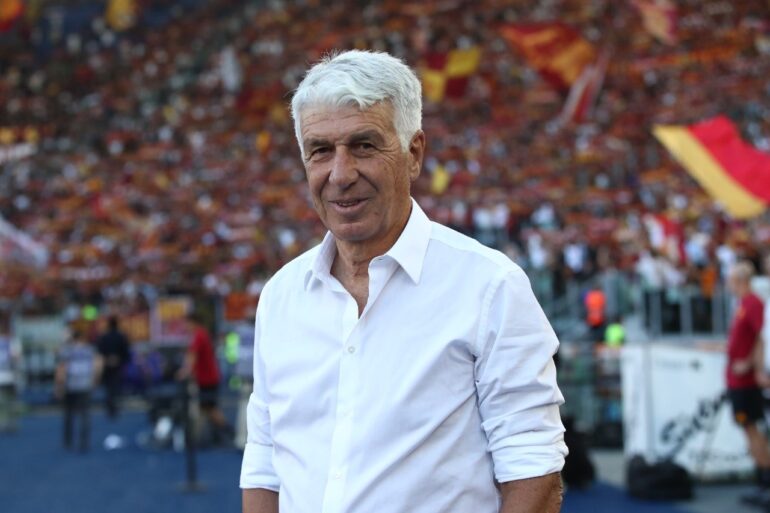
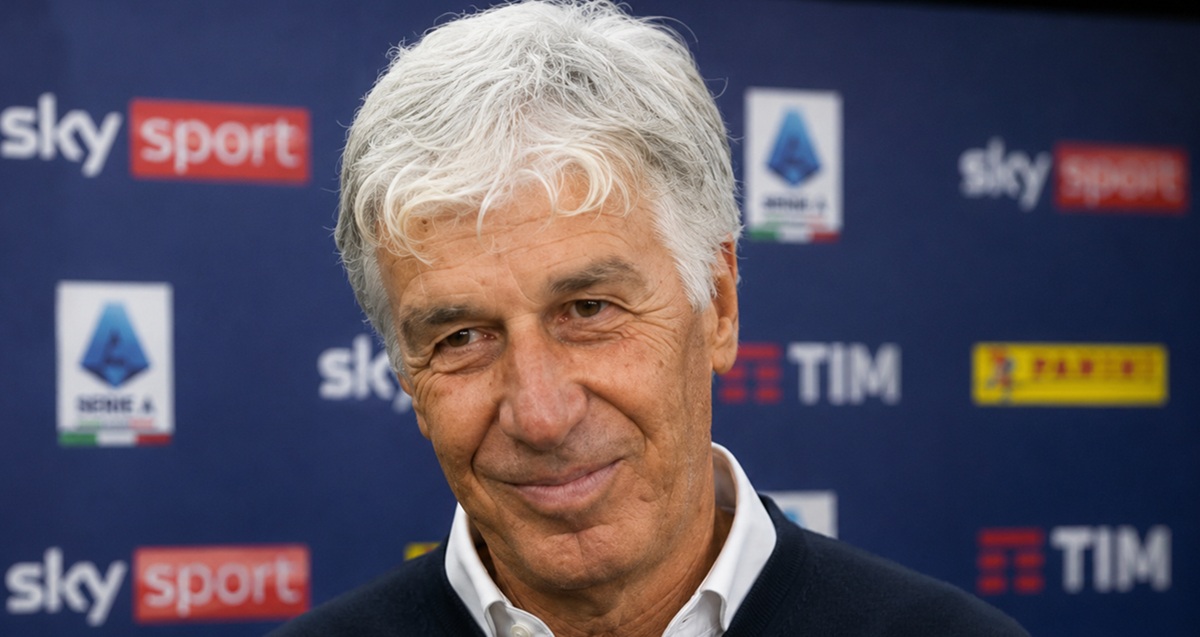
Gasperini seeks closer Friedkin involvement ahead of Roma centenary
Gian Piero Gasperini spoke to Sky Sport from a vineyard in Castelnuovo Don Bosco, Asti, during the launch of his wine project "3-4-3"—named after the formation that has defined his career—and addressed multiple Roma themes including Bryan Cristante's recovery, the Friedkin family's engagement, and the summer transfer window. Gasperini expressed his desire to involve the Friedkin family more closely with the squad and supporters ahead of Roma's centenary. He acknowledged that the Percassi family, from his previous club, had maintained daily contact and a relationship extending beyond work, but with the Friedkins the dynamic differs. "I feel their trust and support even though they come to Rome very little," he said. "Now they have appointed Galantic, who certainly creates a tighter connection between Roma and them. My objective remains to involve them more—not for me, but for them and for the fans. To bring a closer relationship into the centenary is an objective." He praised the appointment of Galantic as a link between the club and ownership. On Cristante's fitness, Gasperini said: "He is recovering, it takes time. We will not be willing to risk anything. The objective is to recover him properly even if he were to miss one or two more matches." Regarding Koné and summer market rumours of a late departure, Gasperini explained: "We could not replace him in such a short time. It was not feasible. The market was long, arriving at very few hours before closure there were no timescales. These transfers bring the involvement of many people; I do not see how an operation like that could have been done. Personally I am happy. He will have the opportunity, and is already doing so, to increase his value." On the tight fixture list, Gasperini noted that five substitutions help manage the energy expenditure, and that injuries remain a constant risk in football. He praised Soulé's early-season form, noting he had recovered from pubalgia over the summer, and expressed happiness with Dybala's recent output: "He is a boy who when he takes the field does well. He was born with the ball at his feet. The fact of having to miss many matches made him sad. Now he is happy, he has enthusiasm, these are good milestones." Gasperini also reflected on his first season at Roma, calling it a major success to win the appreciation of supporters who initially viewed him as an opponent.